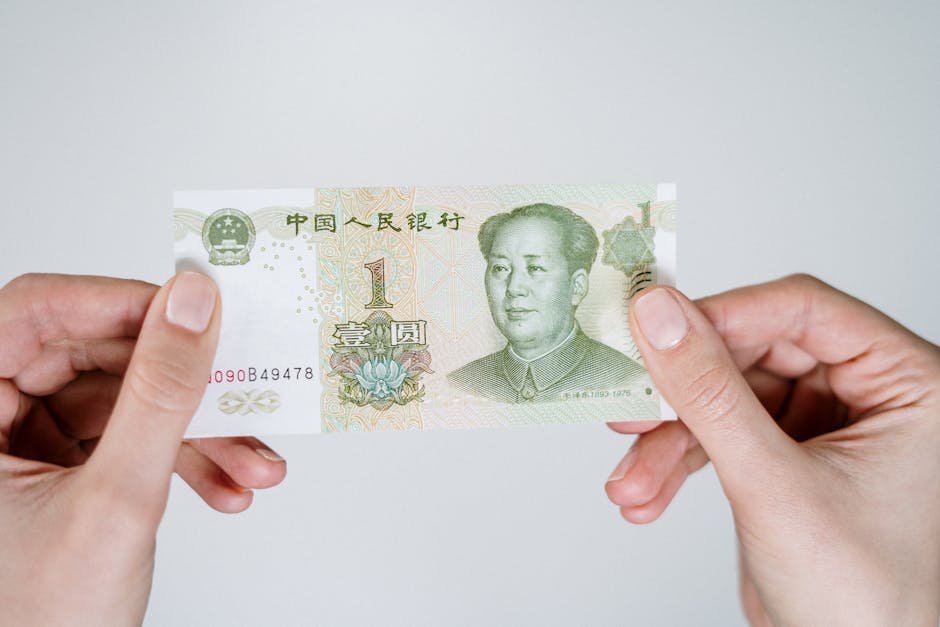
- The Chinese renminbi is increasingly used in global oil trade, reaching 15% of China’s oil imports from Iran in Q1 2024.
- Iran, under US sanctions, is turning to China for alternative trade channels, boosting renminbi’s role in oil markets.
- Russia and Gulf nations are also exploring renminbi-based transactions as a way to circumvent Western-dominated financial systems.
- The renminbi’s rising use in oil trade marks a tangible challenge to the US dollar’s 80-year hegemony over oil markets.
- China’s strategy to internationalize its currency is gaining momentum with the renminbi’s growing presence in global energy deals.
In a quiet but seismic shift beneath the surface of global finance, oil tankers departing from Iranian ports now carry more than just crude—they carry a quiet challenge to the American financial order. Instead of invoices denominated in U.S. dollars, many are now priced in Chinese renminbi. In Shanghai’s bustling financial district, traders quietly celebrate what they call a \‘golden window\’: a moment of geopolitical fracture that China is exploiting to advance the internationalization of its currency. With Iran under crushing U.S. sanctions and eager for alternative trade channels, Beijing has stepped in—not just as a buyer of oil, but as an architect of a new financial architecture. The renminbi, long marginalized in global transactions, is now settling billions in energy deals, marking the most tangible crack yet in the dollar’s 80-year hegemony over oil markets.
Rising Renminbi in Oil Invoicing

The use of the Chinese renminbi in global oil trade has reached unprecedented levels, particularly in transactions involving Iran, Russia, and several Gulf nations exploring alternatives to Western-dominated financial systems. According to data from the Society for Worldwide Interbank Financial Telecommunication (SWIFT) and China’s customs authority, nearly 15% of China’s oil imports from Iran were settled in renminbi during the first quarter of 2024—up from less than 3% two years ago. This shift is not symbolic; it reflects a coordinated strategy by Beijing to deepen the role of its currency in commodity pricing. Chinese state-owned enterprises like Sinopec and CNPC now routinely negotiate contracts in renminbi, often coupled with yuan-denominated futures on the Shanghai International Energy Exchange. Reuters has reported that Iran has begun requiring a significant portion of its oil revenue to be paid in non-dollar currencies, with the renminbi being the most accepted. This trend is further reinforced by bilateral currency swap agreements between China and over 40 countries, including Saudi Arabia and the UAE, enabling direct renminbi-oil settlements without dollar intermediation.
The Road to De-Dollarization

The current momentum behind the renminbi’s ascent traces back to long-standing Chinese ambitions to reduce dependency on the U.S. financial system. Since the 2008 financial crisis, Beijing has viewed the dollar’s dominance as both a strategic vulnerability and a lever of American power projection. The launch of the Cross-Border Interbank Payment System (CIPS) in 2015 marked a pivotal step, offering a yuan-based alternative to SWIFT. However, real traction only emerged after 2018, when U.S. sanctions on Iran and later Russia severed their access to dollar-clearing networks. These actions, intended to isolate adversaries, inadvertently pushed them into China’s financial orbit. As Washington weaponized the dollar, Beijing offered financial sovereignty. The establishment of the petroyuan futures contract in 2018 gave international traders a legitimate, exchange-traded instrument to hedge oil exposure in renminbi. Over time, growing distrust in dollar reliability—fueled by repeated sanctions and monetary policy shifts—has made China’s offer increasingly attractive to Global South nations seeking economic autonomy.
Architects of the Currency Shift

The push to internationalize the renminbi is driven by a coalition of state actors, central planners, and energy conglomerates operating under Beijing’s strategic vision. At the core is the People’s Bank of China (PBOC), which has systematically liberalized capital channels and promoted yuan usage in trade settlements. Officials like former PBOC governor Zhou Xiaochuan laid the ideological groundwork, advocating for a multipolar monetary system as early as 2009. Today, the effort is advanced by figures within China’s State Council and the Ministry of Commerce, who view currency power as inseparable from national security. On the ground, executives at Sinopec and PetroChina negotiate not just for barrels, but for billing terms—insisting on renminbi to lock in long-term financial influence. Meanwhile, Gulf policymakers, wary of U.S. unpredictability, are quietly receptive. As one Saudi energy official confided to BBC News, \‘We still trust the dollar, but we no longer want to bet our future on it.\’
Global Financial Repercussions

The gradual substitution of the dollar in oil trade carries profound implications for global financial stability and geopolitical alignment. For the United States, a decline in dollar invoicing erodes seigniorage benefits and weakens the Federal Reserve’s global influence. Reduced demand for dollar assets could pressure Treasury yields and limit fiscal flexibility. For oil-exporting nations, adopting the renminbi offers insulation from U.S. sanctions but ties their economies closer to China’s regulatory and political framework. Developing countries may gain short-term autonomy but risk becoming financially dependent on Beijing’s monetary policy. Meanwhile, global markets face increased fragmentation, with parallel financial infrastructures emerging—SWIFT versus CIPS, dollar futures versus petroyuan contracts. Central banks are responding by diversifying reserves: the International Monetary Fund reported that renminbi holdings in global reserves surpassed $300 billion in 2023, a record high despite still representing only about 2.7% of total allocations.
The Bigger Picture
This shift transcends energy markets—it signals a reordering of global economic power. The dollar’s dominance has long rested on trust, liquidity, and military backing. But trust is eroding as financial tools become weapons. China, though not yet offering full capital account convertibility or independent rule of law, is providing a viable alternative for nations prioritizing sovereignty over liberal financial ideals. The renminbi’s rise is not about replacing the dollar overnight, but about creating a bifurcated system where financial loyalty is increasingly geopolitical. As more commodity trades migrate outside Western systems, the foundation of unipolar monetary order continues to crack.
What comes next is not a sudden collapse of the dollar, but a slow, grinding diversification of global finance. China will continue expanding its network of currency swaps, refining offshore yuan markets, and leveraging Belt and Road Initiative trade to entrench renminbi usage. The U.S. faces a strategic dilemma: maintain sanctions as a tool of foreign policy or risk accelerating de-dollarization. Meanwhile, the tankers leaving Kharg Island carry more than oil—they carry the quiet momentum of a financial revolution, one invoice at a time.
Source: Financial Times