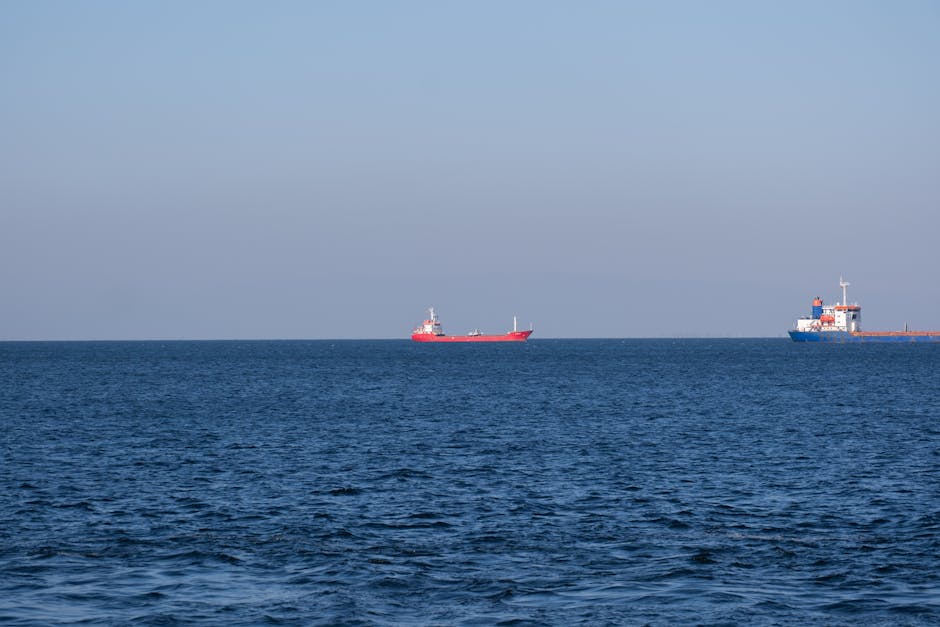
- Over 200 ships in the Gulf waters are facing a biofouling crisis due to prolonged anchoring.
- Severe biofouling can render engines inefficient, rudders unresponsive, and sonar systems useless.
- Marine colonization accelerates amid naval standoff, with 70% of idle ships showing severe biofouling.
- Barnacles and jellyfish blooms are clogging cooling systems and disrupting onboard electronics.
- The biofouling crisis could turn a return to commerce into a salvage operation for affected vessels.
Under the relentless Gulf sun, a fleet of cargo ships sits frozen in time, their hulls submerged in warm, still waters. Once bustling arteries of global trade, these vessels now resemble artificial reefs—crusted with layers of barnacles, swarmed by drifting jellyfish, and veined with seaweed. The silence above deck is deceptive; beneath the surface, an explosion of marine life is quietly undermining the structural and operational integrity of over 200 immobilized ships. Naval architects and marine biologists warn that when the conflict ends and the seas reopen, these vessels may not be seaworthy. Years of accumulated biofouling in such a short span could render engines inefficient, rudders unresponsive, and sonar systems blind—turning what should be a return to commerce into a salvage operation.
Marine Colonization Accelerates Amid Naval Standoff

With shipping lanes closed for more than eight months due to ongoing regional conflict, vessels anchored in the southern Gulf have become prime real estate for marine organisms. According to a recent assessment by the International Maritime Organization, over 70% of idle ships show severe biofouling, with hulls encrusted in barnacle colonies up to five centimeters thick. Jellyfish blooms—exacerbated by rising sea temperatures and low water circulation—drift in dense clouds around propellers and intake valves, clogging cooling systems and disrupting onboard electronics. Recent studies indicate jellyfish populations in the region have surged by 40% since 2022. These biological accumulations increase drag, reduce fuel efficiency, and heighten the risk of mechanical failure. Engineers at Lloyd’s Register warn that some ships may require full dry-docking before they can safely depart, a process that could delay re-entry into global supply chains by weeks or months.
The Conflict That Stalled a Maritime Engine

The Gulf has long served as a critical chokepoint for global energy and consumer goods, with over 20% of the world’s oil passing through the Strait of Hormuz annually. But when hostilities erupted in early 2023, commercial traffic screeched to a halt. Ships already in regional waters were ordered to anchor indefinitely, their crews rotating under strict protocols. With no ability to conduct routine hull cleaning or anti-fouling maintenance, vessels were left vulnerable to rapid marine colonization. Anti-fouling paints, which normally deter organisms, degrade after prolonged static immersion. Historical precedents exist—during the Iran-Iraq War, idle vessels suffered similar fates—but never at this scale. The current crisis is magnified by climate change: warmer waters accelerate barnacle reproduction cycles and create ideal conditions for jellyfish polyps to settle on submerged surfaces. What began as a geopolitical blockade has evolved into an ecological and economic time bomb.
The Engineers, Captains, and Insurers Racing Against Time

Behind the scenes, a network of maritime engineers, shipping insurers, and port authorities is scrambling to assess the damage. Captains like Ahmed Malik of the MV Al-Noor describe daily battles to keep seawater intakes clear using improvised nets and manual removal. “We’re not sailors anymore—we’re underwater gardeners,” he said in a satellite interview. Classification societies such as DNV and Bureau Veritas are drafting emergency inspection protocols, while insurers at Lloyd’s of London reassess risk models for reactivation costs. Some shipping firms are exploring mobile dry-dock solutions—floating platforms that can clean hulls without requiring port access. Yet, these are expensive and scarce. The human factor is equally strained: crews face extended deployments, heightened anxiety, and limited resupply. Their resilience is holding the line, but only temporarily, against an advancing tide of biological encroachment.
Consequences for Global Trade and Insurance Markets

The implications extend far beyond individual ships. Reactivating a biofouled fleet could cost the global shipping industry upwards of $1.2 billion, according to estimates from the United Nations Conference on Trade and Development. Delays in vessel deployment will ripple through supply chains, affecting everything from electronics to pharmaceuticals. Ports in Singapore, Rotterdam, and Houston may face cascading scheduling disruptions. Insurance premiums for Gulf-bound vessels are already rising, with some underwriters imposing biofouling clauses for the first time. Environmental risks also loom: invasive species transported on hulls could be released into new ecosystems when ships finally move. And if multiple vessels suffer mechanical failures during departure, search-and-rescue operations could be overwhelmed, endangering lives and compounding economic losses.
The Bigger Picture
This crisis underscores a broader vulnerability in global logistics: the fragility of maritime infrastructure when caught between conflict and climate. Ships are engineered for motion, not stagnation. When geopolitical shocks intersect with ecological shifts, the consequences are unpredictable and costly. The Gulf’s stranded fleet is a warning—modern trade depends not just on peace and policy, but on the delicate balance between technology and nature. As climate change intensifies marine growth patterns, the shipping industry must rethink maintenance, design, and contingency planning for idle vessels.
What comes next hinges on diplomacy and preparation. Once the conflict ends, a coordinated international effort will be needed to inspect, clean, and relaunch hundreds of compromised ships. Mobile cleaning units, temporary repair hubs, and emergency funding may be required. But beyond the immediate response, the shipping world must adapt. New anti-fouling technologies, real-time hull monitoring systems, and conflict-resilient operational protocols could prevent a repeat. The barnacles and jellyfish did not start the war—but they may outlast it, silently clinging to the cost of peace.
Source: Financial Times