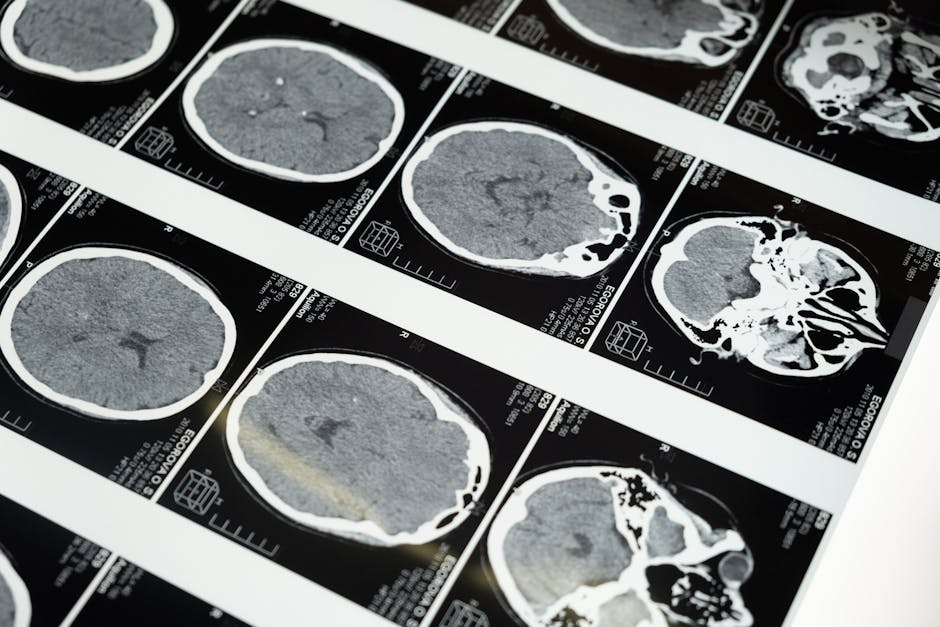
- A groundbreaking 2026 study found that motherhood leaves molecular memories in the brain that persist long after hormones return to baseline.
- Researchers discovered widespread transcriptional reprogramming in neural circuits linked to caregiving, stress regulation, and emotional processing in mice.
- The brain retains a biological imprint of maternal experience, redefining motherhood as a lasting neurobiological transformation.
- Chronic stress during the postpartum window disrupted molecular adaptations, impairing maternal behaviors in mice.
- The study highlights the importance of considering the neurobiological effects of motherhood on mental health and parenting resilience.
For the first time, scientists have uncovered that becoming a mother leaves behind molecular memories in the brain that persist long after hormones return to baseline. In a groundbreaking 2026 study published in Nature, researchers found that motherhood in mice triggers widespread transcriptional reprogramming in neural circuits linked to caregiving, stress regulation, and emotional processing. These changes endure for months—long after the postpartum period—suggesting that the brain retains a biological imprint of maternal experience. Strikingly, exposure to chronic stress during the postpartum window disrupted these molecular adaptations, correlating with impaired maternal behaviors. This discovery reshapes our understanding of motherhood not just as a hormonal state, but as a lasting neurobiological transformation with implications for mental health and parenting resilience.
A New Framework for Maternal Brain Plasticity

Until recently, the scientific understanding of the maternal brain centered on transient hormonal fluctuations—estrogen, progesterone, and oxytocin surges during pregnancy and delivery thought to drive temporary behavioral shifts. However, emerging evidence suggests that these hormonal signals initiate a cascade of gene expression changes that rewire the brain on a structural and functional level. The 2026 study marks a pivotal shift by demonstrating that these transcriptional changes are not fleeting responses but stable, long-term adaptations. Using single-cell RNA sequencing on the medial preoptic area (MPOA)—a brain region critical for maternal behavior—researchers identified hundreds of differentially expressed genes in mother mice up to six months postpartum. This enduring molecular signature suggests that motherhood fundamentally reshapes neural identity, potentially enhancing sensitivity to infant cues and promoting caregiving behaviors. The findings align with human neuroimaging studies showing persistent brain structure changes in mothers, now grounded in molecular mechanisms.
Stress Disrupts the Maternal Molecular Blueprint

The study also revealed a critical vulnerability: postpartum stress can derail the very molecular pathways that support maternal behavior. When mother mice were exposed to unpredictable stressors—such as damp bedding, altered light cycles, and social isolation—during the first two weeks after giving birth, the typical gene expression patterns failed to stabilize. Key genes involved in synaptic plasticity, such as Bdnf (brain-derived neurotrophic factor), and those regulating dopamine signaling showed altered expression. These disruptions correlated with observable deficits: stressed mothers were slower to retrieve pups, spent less time nursing, and displayed increased anxiety-like behaviors. The research team, led by neuroscientists at the University of California, San Diego, emphasized that these findings mirror clinical observations in humans, where postpartum depression and anxiety are linked to impaired bonding and caregiving. By identifying specific transcriptional pathways vulnerable to stress, the study opens new avenues for early detection and targeted interventions.
Biological Foundations of Maternal Memory

The persistence of transcriptional changes raises the question: why would evolution favor such enduring brain modifications? Experts suggest that these molecular ‘memories’ enhance reproductive fitness by priming the brain for future caregiving. A mother with prior experience tends to exhibit more efficient and attentive care with subsequent litters—a phenomenon observed across mammalian species. The study found that genes related to mitochondrial function and energy metabolism were upregulated in experienced mothers, suggesting enhanced neural efficiency. Additionally, epigenetic markers—chemical tags on DNA that regulate gene activity without altering the sequence—were altered in a way that may ‘lock in’ the maternal state. These findings support the concept of the brain as a dynamic organ shaped by life experiences, with motherhood acting as one of the most potent catalysts. The research also draws parallels to how other profound experiences, like trauma or chronic stress, leave lasting molecular imprints, underscoring the brain’s capacity for both resilience and vulnerability.
Implications for Human Maternal Health

If similar mechanisms operate in humans, these findings could transform the approach to postpartum mental health. Currently, conditions like postpartum depression are often treated as isolated psychiatric episodes, rather than disruptions of a biologically embedded maternal adaptation. Recognizing that motherhood induces lasting brain changes reframes maternal care as a neurodevelopmental process. Women with a history of trauma, chronic stress, or mood disorders may be less able to establish these molecular foundations, increasing vulnerability. Clinically, this suggests that early support during the postpartum period—such as social integration, sleep hygiene, and psychological care—could be neuroprotective. Moreover, the identification of specific gene networks offers potential targets for biomarkers or even pharmacological support that promotes healthy transcriptional adaptation without sedating the mother or interfering with bonding.
Expert Perspectives
“This study bridges a long-standing gap between behavioral neuroscience and molecular biology,” says Dr. Elena Ramirez, a developmental neuroscientist at McGill University not involved in the research. “We’ve known the maternal brain changes, but now we see the molecular architecture behind it.” However, some experts urge caution in extrapolating mouse data to humans. “Mice are induced ovulators with different reproductive biology,” notes Dr. Kenji Fujimoto of Kyoto University. “Human motherhood involves complex cultural, cognitive, and emotional dimensions that aren’t captured in rodent models.” Still, there is broad consensus that the core neurobiological principles are likely conserved. The challenge lies in identifying which molecular pathways are most relevant in humans and how they interact with psychosocial factors.
Looking ahead, researchers aim to map the maternal transcriptional landscape across species and investigate whether similar changes occur in adoptive mothers or during fatherhood. If molecular signatures of caregiving can be identified independent of pregnancy, it could redefine our understanding of parental brain plasticity. Another open question is whether these changes are reversible or cumulative across multiple parenting experiences. As society grapples with rising rates of postpartum mental illness, understanding the biology of maternal memory may offer not just insight, but hope for more effective, biologically informed support systems.
Source: Nature