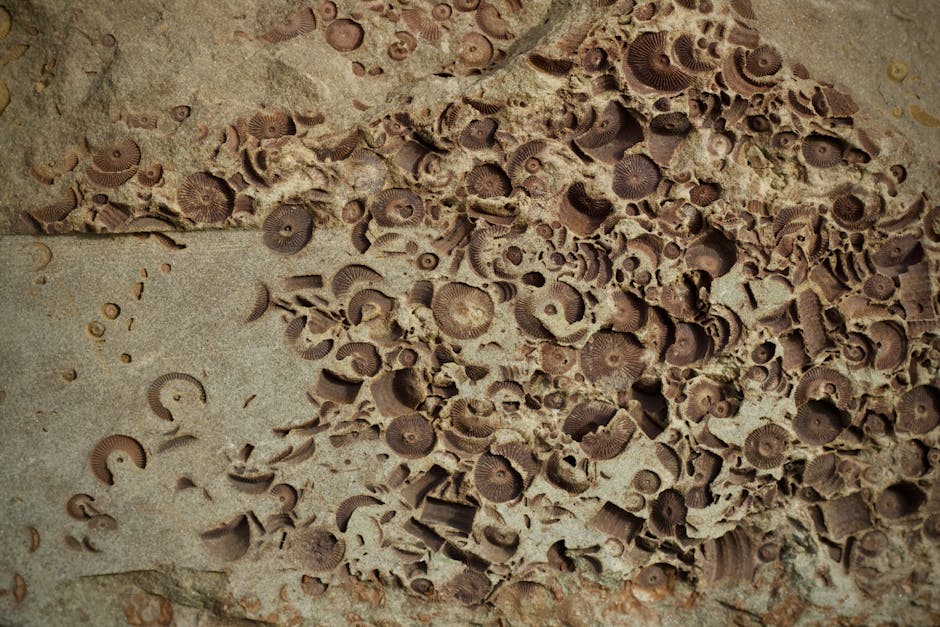
- Early eukaryotes thrived in oxygenated benthic habitats, such as the seafloor or lake beds.
- Mitochondria, the powerhouses of cells, are believed to have evolved in eukaryotes by 1.75 billion years ago.
- Research suggests early eukaryotes were adapted to environments with sufficient oxygen levels for survival and growth.
- The study analyzed ancient rocks from Australia to uncover the habits of early eukaryotes.
- Eukaryotes, including plants, animals, and fungi, evolved from early life forms on Earth.
What were the conditions like for early life forms on Earth, and how did they thrive in a vastly different environment? This question has puzzled scientists for centuries, and recent discoveries have shed new light on the evolution of eukaryotes, a group of organisms that includes plants, animals, and fungi. A study published in Nature provides insights into the habitats and characteristics of early fossil eukaryotes, offering a glimpse into the history of life on our planet.
Uncovering the Habits of Early Eukaryotes

The research, which focused on ancient rocks from Australia, reveals that early eukaryotes were largely restricted to oxygenated benthic habitats, such as the seafloor or lake beds. This finding suggests that these organisms were adapted to living in environments with sufficient oxygen levels, which would have been essential for their survival and growth. The presence of mitochondria, often referred to as the powerhouses of cells, is also believed to have been a key factor in the evolution of eukaryotes, with estimates suggesting that they may have possessed these organelles by 1.75 billion years ago.
Evidence from the Fossil Record

The study’s findings are based on integrated palaeontological, sedimentological, and geochemical analyses of ancient rocks, which provide a comprehensive understanding of the conditions in which early eukaryotes lived. The researchers found that the fossil record shows a clear association between eukaryotic fossils and oxygenated environments, with the majority of fossils discovered in rocks that were formed in the presence of oxygen. This evidence is supported by quotes from the researchers, who highlight the significance of their findings in understanding the evolution of life on Earth. According to the study, the expansion of eukaryotes into planktonic habitats may have occurred much later, possibly during the Neoproterozoic era, which spanned from 1 billion to 541 million years ago.
Counter-Perspectives and Debates

While the study’s findings provide valuable insights into the evolution of eukaryotes, there are also alternative views and debates among scientists. Some researchers argue that the fossil record may not be comprehensive enough to support the conclusion that early eukaryotes were restricted to oxygenated habitats. Others suggest that the presence of mitochondria may not have been a universal characteristic of early eukaryotes, and that other factors, such as nutrient availability, may have played a more significant role in their evolution. These counter-perspectives highlight the complexity and nuance of the scientific debate, and demonstrate the need for ongoing research and analysis to refine our understanding of the history of life on Earth.
Real-World Implications and Consequences

The discovery of early eukaryotes in oxygenated habitats has significant implications for our understanding of the Earth’s ecosystems and the evolution of life. The finding that eukaryotes may have expanded into planktonic habitats during the Neoproterozoic era suggests that this period may have been a critical turning point in the history of life on Earth, with the evolution of complex ecosystems and the diversification of species. This, in turn, may have had a profound impact on the Earth’s climate, geochemistry, and the development of the planet’s biosphere. For example, the evolution of phytoplankton, a type of planktonic eukaryote, may have played a key role in the development of the Earth’s oceanic ecosystems and the regulation of the planet’s climate.
What This Means For You
The study’s findings have significant implications for our understanding of the evolution of life on Earth and the development of the planet’s ecosystems. The discovery of early eukaryotes in oxygenated habitats highlights the importance of oxygen in shaping the history of life on our planet, and demonstrates the complex interplay between the Earth’s geochemistry, climate, and biosphere. As we continue to explore and understand the evolution of life on Earth, we may uncover new insights into the development of our planet and the potential for life elsewhere in the universe.
As we look to the future, we are left with a pressing question: what other secrets do the ancient rocks of Australia hold, and how will they continue to shape our understanding of the evolution of life on Earth? The answer to this question will require ongoing research and analysis, as scientists continue to explore the fossil record and refine our understanding of the history of life on our planet. For more information on the study, visit the Nature website or explore the Wikipedia page on eukaryotes.
Source: Nature