- Ebola cases have surged in Central Africa, with 600 suspected cases and 139 deaths reported in recent weeks.
- The World Health Organization warns that an effective vaccine may not reach most at-risk populations for another nine months.
- The Ebola outbreak is caused by the highly lethal Zaire ebolavirus, with a fatality rate of over 90% in untreated populations.
- Remote areas with limited medical infrastructure are particularly vulnerable to the virus, exacerbating the crisis.
- Fear and misinformation are spreading rapidly, with communities shutting down markets and limiting social interactions.
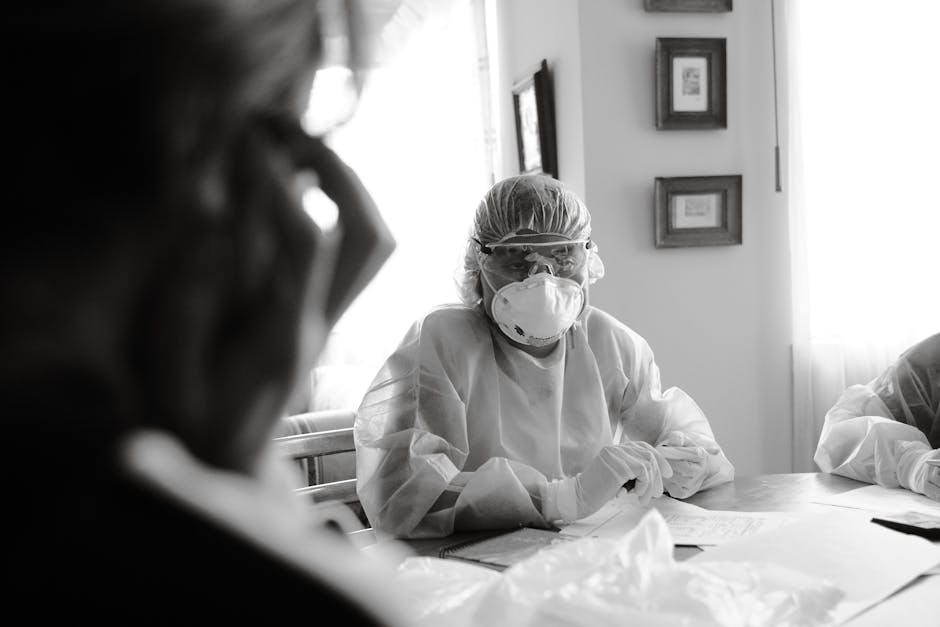
In the dense rainforests of Central Africa, where dirt paths wind through villages with no running water or electricity, fear has become as contagious as the virus itself. Children are kept indoors, markets have thinned, and funeral rites—once communal and sacred—are now conducted in silence, masked by plastic and fear. Health workers in full protective gear move cautiously from hut to hut, their faces obscured by visors, checking temperatures and tracing contacts with grim determination. The enemy is invisible, swift, and lethal: Ebola. In recent weeks, the virus has surged through communities already strained by conflict, poverty, and underfunded health systems. The World Health Organization’s latest report paints a harrowing picture—600 suspected cases and 139 deaths—while warning that an effective vaccine may not reach most at-risk populations for another nine months.
Outbreak Expands Amid Vaccine Delay

The Ebola outbreak, now confirmed across multiple districts in the Democratic Republic of the Congo (DRC), continues to accelerate despite international alarm. According to the World Health Organization, 600 cases have been reported, with 139 suspected fatalities, many occurring in remote areas where medical infrastructure is nearly nonexistent. The strain behind the outbreak is Zaire ebolavirus, the most lethal variant, with a fatality rate historically exceeding 90% in untreated populations. Compounding the crisis, the WHO has cautioned that logistical hurdles, manufacturing bottlenecks, and bureaucratic delays could postpone mass vaccination campaigns until next year. While emergency stocks exist, they are insufficient for widespread deployment. Mobile clinics are overwhelmed, and healthcare workers face resistance from communities distrustful of outside intervention. The delay threatens not only the DRC but neighboring countries like Uganda and Rwanda, where cross-border movement remains fluid and surveillance systems are strained.
The Long Shadow of Past Outbreaks

This resurgence echoes the devastating 2018–2020 Ebola epidemic in eastern DRC, which claimed over 2,200 lives and exposed deep fissures in global pandemic response. That outbreak, the second-largest in history after the 2014–2016 West Africa crisis, was hampered by armed conflict, misinformation, and delayed international aid. Although a vaccine—rVSV-ZEBOV—was eventually deployed and proven 97.5% effective in ring vaccination strategies, its rollout was slow and uneven. The lessons were documented, debated, and, in many ways, forgotten. Since then, no sustainable stockpile of Ebola vaccines has been established, and production remains limited to a handful of pharmaceutical facilities. Regulatory pathways for emergency use are still cumbersome, and funding for rapid deployment mechanisms has dwindled. As a result, the world finds itself once again reacting to Ebola rather than preventing it—a cycle of crisis and complacency that repeats with each new flare-up.
Frontline Workers and Skeptical Communities

The response hinges on individuals who operate in peril: local nurses, epidemiologists, and community health volunteers who risk infection daily. Many are native to the affected regions and speak local languages, making them critical bridges between international agencies and skeptical villagers. Yet, their efforts are undermined by persistent rumors—that Ebola is a hoax, that health workers spread the virus, or that vaccines contain harmful substances. In some areas, clinics have been attacked, and medical teams forced to retreat. Meanwhile, global health leaders, including WHO Director-General Dr. Tedros Adhanom Ghebreyesus, are calling for urgent funding and streamlined vaccine distribution. Pharmaceutical companies, such as Merck and Johnson & Johnson, hold varying stages of vaccine production, but without coordinated procurement and equitable allocation, supply will remain fragmented and delayed.
Regional and Global Consequences

The implications extend far beyond the current outbreak zones. If Ebola gains a stronger foothold, it could disrupt regional economies, destabilize fragile governments, and overwhelm already weak health systems. Travel restrictions may follow, affecting trade and humanitarian operations. For the global health community, another delayed response risks eroding trust in international institutions. Moreover, the slow vaccine rollout underscores a broader inequity: life-saving medical tools are often developed in wealthy nations but arrive too late for the populations that need them most. This pattern, repeated during both the Ebola and COVID-19 pandemics, reveals systemic flaws in how the world prepares for and prioritizes emerging infectious diseases in low-resource settings.
The Bigger Picture
This outbreak is not just a public health emergency—it is a test of global solidarity. The nine-month vaccine delay is not inevitable, but the result of policy choices, underinvestment, and geopolitical inertia. Diseases do not respect borders, and in an interconnected world, a virus emerging in a remote village can become a global threat within weeks. The tools to stop Ebola exist; what’s missing is the sustained will to deploy them equitably and swiftly. As climate change, deforestation, and human encroachment into wildlife habitats increase the risk of zoonotic spillovers, the frequency of such outbreaks is likely to rise.
What comes next will depend on whether the world treats Ebola as a distant tragedy or a shared vulnerability. Immediate steps—ramping up vaccine production, funding rapid-response teams, and engaging local leaders to combat misinformation—are critical. But long-term resilience requires more: a permanent emergency stockpile, investment in African-led health infrastructure, and global mechanisms for fair access to medical countermeasures. Without these, the cycle will repeat, and the next outbreak may come faster, spread wider, and kill more.
Source: BBC