- The UK government plans to replace traditional fit notes with a new system emphasizing early intervention and personalized return-to-work plans.
- The current fit note system is seen as outdated and passive, allowing individuals to remain on long-term sick leave without structured support.
- Over 2.5 million people in the UK are currently on long-term sick leave, with many citing musculoskeletal conditions, mental health issues, or chronic fatigue.
- The new pilot scheme aims to redefine how illness, work, and state support intersect in Britain, with a focus on collaboration between healthcare providers and employers.
- The removal of traditional fit notes could affect around 1.3 million workers in the UK, pending the success of the pilot scheme.
On a drizzly Monday morning in Stoke-on-Trent, a queue forms outside the local job centre—not of job seekers, but of people clutching crumpled A4 sheets, their GPs’ handwriting barely legible in the margins. These are fit notes, once hailed as a compassionate shift from the old ‘sick note,’ designed to open conversations about returning to work. But over the past decade, they’ve become symbolic of a deeper dysfunction: a welfare and healthcare system struggling to balance medical legitimacy with economic urgency. Now, the government says enough is enough. In clinics and government backrooms alike, a quiet revolution is brewing—one that could redefine how illness, work, and state support intersect in Britain.
The End of the Fit Note Era

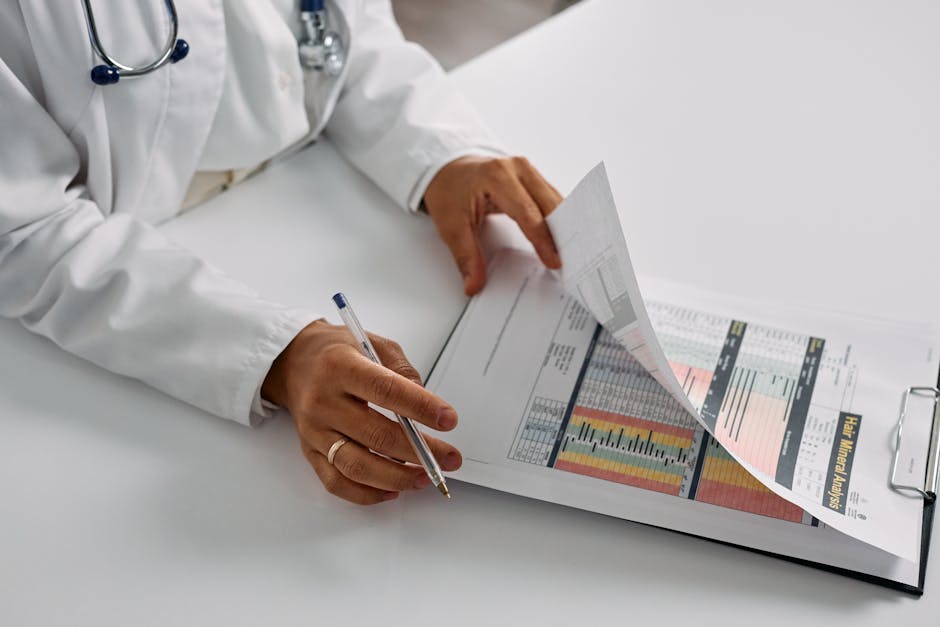
The Department for Work and Pensions has announced a pilot scheme to trial the removal of traditional fit notes—official documents issued by doctors that certify a person’s inability to work due to illness or injury. Instead, the new model will emphasize early intervention and personalized return-to-work plans developed in collaboration with healthcare providers, occupational therapists, and employers. Officials argue the current system is outdated and passive, allowing individuals to remain on long-term sick leave without structured support to re-enter the workforce. With over 2.5 million people in the UK currently on long-term sick leave—many citing musculoskeletal conditions, mental health issues, or chronic fatigue—the government claims a systemic overhaul is overdue. The pilot, launching in six regions including Glasgow, Birmingham, and Norwich, will assess whether replacing medical certification with active rehabilitation improves employment outcomes.
How We Got Here: From Sick Notes to Support

The fit note was introduced in 2010 as a progressive alternative to the ‘sick note,’ which merely excused absence without encouraging recovery or reintegration. Designed to prompt dialogue between doctors, patients, and employers, it allowed GPs to suggest adjustments that might enable a phased return to work. Yet, over time, critics say it became a bureaucratic formality rather than a pathway to recovery. A 2023 report by the Health Foundation found that only 14% of fit notes included actionable recommendations, and fewer than 1 in 5 led to employer follow-up. Meanwhile, rising rates of long-term worklessness—particularly in deprived areas—have intensified political pressure. Successive governments have grappled with the economic and social costs of inactivity, with the Office for Budget Responsibility estimating that ill health-related work absence costs the UK economy £100 billion annually. The current push reflects a broader shift toward conditionality in welfare, echoing reforms seen in Denmark and the Netherlands.
The Architects of Change

The policy is being driven by a coalition of civil servants, behavioural economists, and healthcare strategists within the DWP and NHS England. Key figures include Dr. Amina Khan, Director of Health and Work Policy, who has long advocated for a ‘recovery-oriented’ model that treats work as part of rehabilitation. Backing her is Chancellor Jeremy Hunt, who has framed the initiative as both a fiscal necessity and a moral imperative, stating, “We cannot accept a system where people fall through the cracks the moment they get sick.” On the other side, scepticism runs deep among GP leaders and patient advocacy groups. Dr. Margaret O’Donnell of the British Medical Association warns that shifting responsibility to clinicians without adequate resources risks burnout and undermines trust. Employers, meanwhile, are divided—while large firms with occupational health services welcome structured return plans, small businesses fear added administrative burdens.
Consequences for Workers and the System

If scaled nationally, the abolition of fit notes could reshape access to benefits and medical legitimacy. Claimants may face earlier work assessments and be required to engage with rehabilitation programmes to maintain eligibility for sick pay or Universal Credit. Proponents argue this will prevent ‘drift’ into long-term dependency, while critics warn it may penalize those with fluctuating or invisible conditions, such as fibromyalgia or depression. Disability rights groups, including Scope and Mind, have raised concerns that the policy could erode hard-won accommodations. There are also legal questions: the Equality Act 2010 mandates reasonable adjustments for disabled employees, and any policy that pressures people into unsuitable work could face judicial challenge. The pilot’s success will hinge on whether support services—such as mental health counselling, physiotherapy, and job coaching—can be scaled in tandem.
The Bigger Picture
This reform is not just about paperwork—it’s about redefining the social contract between citizen, state, and employer in an era of chronic illness and labour shortages. As populations age and mental health crises mount, countries across Europe are re-evaluating how work and welfare systems respond to incapacity. The UK’s experiment may offer lessons, for better or worse, on whether a more active, interventionist model can reduce dependency without sacrificing compassion. The tension lies in balancing accountability with empathy—a challenge no form has yet solved.
What comes next will depend on the pilot’s data, political will, and public response. If early results show improved return-to-work rates without harming vulnerable groups, the model could expand by 2026. But if it fuels distress or legal backlash, it may join the long list of well-intentioned policies undone by complexity. For now, the crumpled fit notes continue to circulate—but their days may be numbered.
Source: BBC