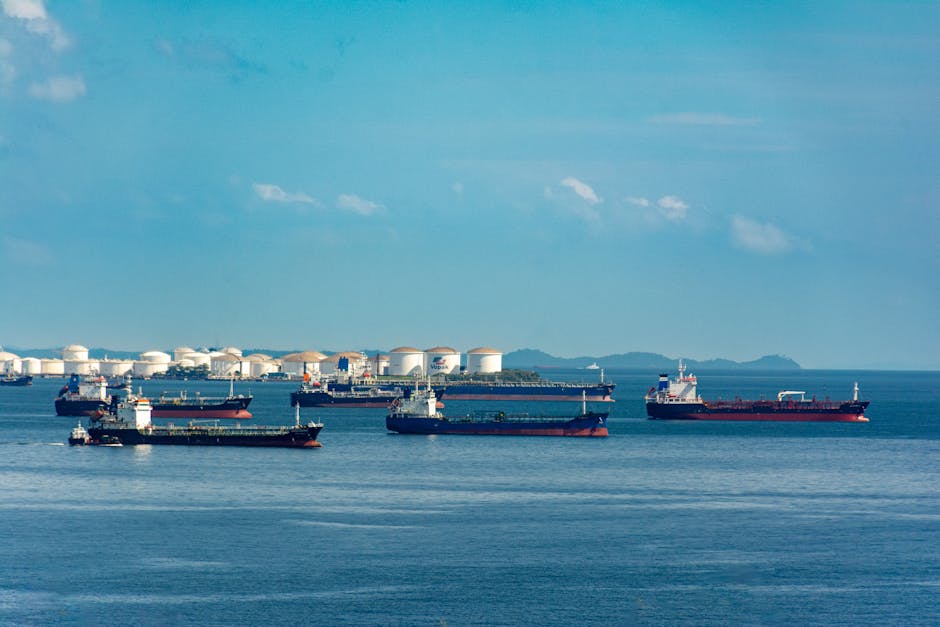
- Escalating tensions between Iran and GCC states threaten to derail economic progress in the region.
- Shipping disruptions and increased insurance costs are affecting regional trade and investment climates.
- Capital flight from vulnerable markets such as Bahrain and Kuwait has occurred due to the conflict.
- Full economic recovery could take decades without a sustained de-escalation of tensions.
- Military spending spikes, energy market volatility, and eroded investor confidence are delaying critical infrastructure and innovation projects.
Escalating tensions between Iran and Gulf Cooperation Council (GCC) states threaten to derail years of economic progress, with analysts warning of lasting damage to investment climates, regional trade, and diversification strategies. The conflict has already disrupted shipping lanes, increased insurance costs, and prompted capital flight from vulnerable markets such as Bahrain and Kuwait. Without a sustained de-escalation, experts project that full economic recovery could take decades, particularly for nations banking on post-oil futures. The combined effects of military spending spikes, energy market volatility, and eroded investor confidence are expected to delay critical infrastructure and innovation projects across the region.
Trade Disruptions and Financial Losses

Shipping through the Strait of Hormuz, through which nearly 20% of the world’s oil passes, has become increasingly perilous, with attacks on commercial vessels and heightened naval patrols raising insurance premiums by up to 300% in high-risk zones. According to the International Maritime Bureau, incidents in the Gulf rose by 47% in the past year, the highest in over a decade. The IMF estimates that prolonged instability could reduce Gulf GDP growth by 1.5 to 2.5 percentage points annually, amounting to over $150 billion in cumulative losses by 2030. Stock markets in Dubai and Riyadh have underperformed emerging market peers, with foreign portfolio inflows dropping 34% year-on-year. Additionally, sovereign wealth funds like Abu Dhabi’s Mubadala and Saudi Arabia’s PIF have redirected capital toward defense and domestic stabilization, slowing overseas investments that previously fueled liquidity and global integration.
Key Regional and International Actors

The primary economic players affected include Saudi Arabia, the UAE, Kuwait, and Qatar, all of which have invested heavily in Vision 2030-style diversification plans to reduce reliance on hydrocarbons. Saudi Arabia has paused several giga-projects in NEOM due to budget reallocations, while the UAE has increased defense spending by 18% in 2024. Iran, meanwhile, has leveraged asymmetric warfare and proxy groups to exert pressure without direct confrontation, further deterring foreign direct investment. The United States maintains a significant military presence in the region and has reinforced its Fifth Fleet in Bahrain, aiming to protect trade flows and reassure allies. However, shifting geopolitical priorities in Washington raise concerns among Gulf leaders about long-term U.S. commitment, prompting some to explore deeper economic ties with China and India as counterweights.
Economic Diversification vs. Security Spending

Gulf states now face a stark trade-off: accelerating military expenditures to ensure short-term security or maintaining focus on long-term economic transformation. Saudi Arabia’s defense budget reached $83 billion in 2024, up from $62 billion in 2020, absorbing funds originally designated for renewable energy and digital infrastructure. Similarly, Kuwait delayed its $105 billion Silk City megaproject due to fiscal constraints. While increased defense spending may deter aggression, it risks entrenching rentier state models and delaying reforms needed to create sustainable, private-sector-driven economies. On the other hand, under-investing in security could lead to further disruptions, as seen during the 2019 drone attacks on Abqaiq, which temporarily halted half of Saudi oil production. Balancing these competing demands will define the region’s economic trajectory over the next decade.
Why the Timing Is Critical

The current phase of escalation comes at a vulnerable moment for Gulf economies, many of which are midway through ambitious reforms to attract foreign talent, launch innovation hubs, and integrate into global supply chains. The UAE’s recent push to become a tech and fintech hub, along with Saudi Arabia’s plans for a green hydrogen economy, depend on sustained peace and predictable regulatory environments. Any prolonged conflict undermines the credibility of these initiatives, as multinational firms reassess risk exposure. Moreover, youth unemployment remains high across the region—hovering around 25% in Kuwait and Saudi Arabia—making job creation through diversification not just an economic goal but a social imperative. The window to lock in investor confidence is narrowing rapidly.
Where We Go From Here
Over the next 6 to 12 months, three scenarios could unfold. In an optimistic case, diplomatic breakthroughs—potentially brokered by regional mediators like Oman or international actors such as the EU—could stabilize the situation, allowing investment to resume and diversification plans to regain momentum. A second, more likely scenario involves a protracted stalemate, with periodic flare-ups keeping risk premiums high and foreign capital cautious, leading to stagnant growth and delayed reforms. A worst-case scenario entails direct military conflict, which could trigger oil price shocks, global recession risks, and a complete halt to Gulf development projects. Each path hinges on both regional diplomacy and broader geopolitical alignments, particularly U.S.-Iran relations and China’s role as a strategic partner to both sides.
Bottom line — without urgent de-escalation and renewed diplomatic engagement, the Gulf’s economic transformation may stall for a generation, leaving trillion-dollar visions of post-oil prosperity unrealized.
Source: BBC