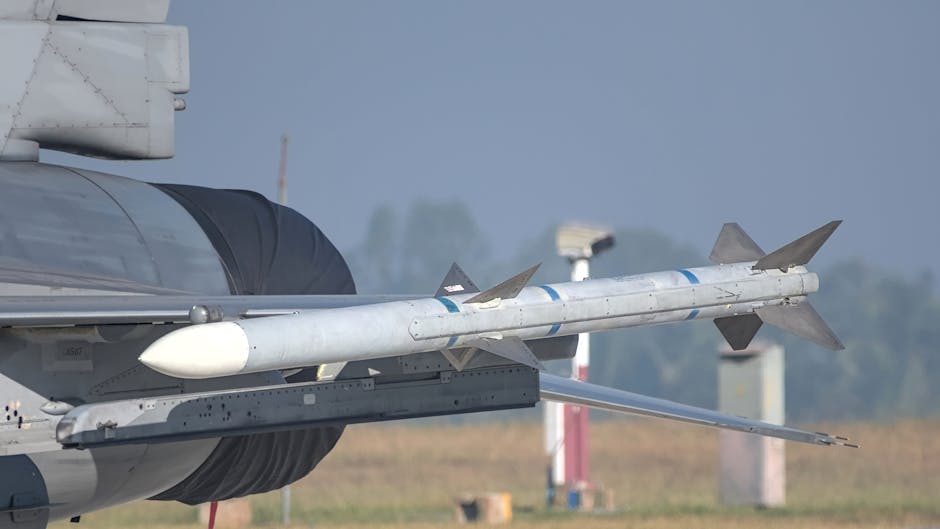
- President Trump approved military strikes against Iran but called them off at the last minute, sparking concerns about U.S.-Iran relations.
- The planned operation was a response to Iran’s downing of a U.S. surveillance drone in June 2019.
- Trump cited concerns over civilian casualties, estimating the strikes would have resulted in the deaths of 150 Iranian military personnel.
- The reversal highlights the thin margin between diplomacy and open conflict in the region.
- The incident raises questions about the volatility of U.S.-Iran relations and the potential for further escalation.
Was the United States on the brink of war with Iran? That’s the question echoing through global capitals after President Donald Trump revealed he had approved military strikes in retaliation for Iran’s downing of a U.S. surveillance drone—only to abort the mission just one hour before it was set to launch. The abrupt reversal stunned defense analysts and foreign policy experts, raising urgent concerns about the volatility of U.S.-Iran relations and the thin margin between diplomacy and open conflict. With regional tensions already simmering, Trump’s disclosure has intensified scrutiny over how close the world came to another Middle East war—and what might have happened if the order had been carried out.
How Close Did the U.S. Come to Striking Iran?

According to President Trump, the U.S. was precisely one hour away from launching coordinated military strikes against Iranian targets when he decided to stand down. The planned operation, approved in June 2019, was a response to Iran’s downing of a U.S. Navy RQ-4A Global Hawk drone in the Strait of Hormuz—an incident that Tehran claimed had violated its airspace, while U.S. officials insisted the drone was over international waters. Trump described the moment as one of deep deliberation, stating he called off the strikes after learning that they would result in the deaths of approximately 150 Iranian military personnel. “I didn’t want to kill 150 people,” Trump told reporters, framing the reversal as a moral decision. The revelation highlighted the extraordinary weight of presidential authority in moments of crisis and underscored how rapidly escalation can unfold in modern geopolitics.
What Evidence Supports the Near-Strike Narrative?

Multiple U.S. officials confirmed that military forces were on high alert and operational plans were fully activated before the order was rescinded. Defense Department sources told Reuters that Navy destroyers and Air Force assets were positioned and ready to execute precision strikes on Iranian radar and missile installations. The Pentagon had reportedly drafted targeting plans and conducted final communications checks. Even Secretary of Defense Patrick Shanahan confirmed that the military “was prepared and ready” to carry out the president’s orders. The timeline, as reconstructed by BBC News, shows that the strike was called off after a final briefing in which Trump questioned whether the response was proportionate. The episode revealed a chain of command that could transition from cold war to hot conflict within hours—highlighting both the sophistication of U.S. war planning and the immense responsibility resting on a single decision.
What Do Skeptics Say About the Narrative?

Despite the official account, some national security experts have questioned the timing and framing of Trump’s revelation. Critics argue that the administration may have used the story to project strength while avoiding actual conflict—a form of strategic messaging aimed at both domestic and international audiences. Some analysts suggest the strike was never fully locked in, pointing out that final authorization typically requires multiple confirmations across military and intelligence channels. Others note that the decision to halt the operation could signal inconsistency in crisis management, potentially emboldening adversaries who perceive U.S. policy as unpredictable. Additionally, Iranian officials dismissed the claim, with Foreign Minister Javad Zarif suggesting the entire episode was a “propaganda stunt.” These counter-narratives emphasize the fog of war in high-stakes diplomacy, where perception often shapes reality as much as action does.
What Are the Real-World Consequences of the Decision?

The near-strike had tangible ripple effects across global markets and regional security dynamics. Oil prices surged nearly 3% in the days following the drone incident, reflecting investor anxiety over potential disruption to Gulf energy supplies. Gulf allies like Saudi Arabia and the UAE quietly expressed concern over U.S. unpredictability, while European powers intensified diplomatic efforts to prevent full-scale conflict. The incident also prompted renewed debate in Congress over presidential war powers, with bipartisan calls for greater legislative oversight in military decisions. On the ground, Iranian forces remained on high alert, and subsequent incidents—including attacks on oil tankers and increased uranium enrichment—suggested that deterrence remained fragile. Ultimately, the aborted strike did not de-escalate tensions but instead revealed how narrowly the region avoided a far more devastating confrontation.
What This Means For You
For the average citizen, the episode is a stark reminder of how geopolitical decisions made behind closed doors can have immediate and far-reaching consequences—on energy prices, national security, and global stability. It underscores the importance of transparent and accountable leadership in moments of crisis. While a war was averted, the incident highlights the risks of relying on the judgment of a single leader amid complex international flashpoints. Understanding these dynamics empowers the public to demand clearer strategies and better oversight in foreign policy.
Yet critical questions remain unanswered: If deterrence relies on the threat of force, does calling off a strike weaken that credibility? And in an age of rapid escalation, how can democratic nations balance decisive action with careful restraint? As U.S.-Iran relations continue to teeter, the world may not be so lucky next time.
Source: CNBC