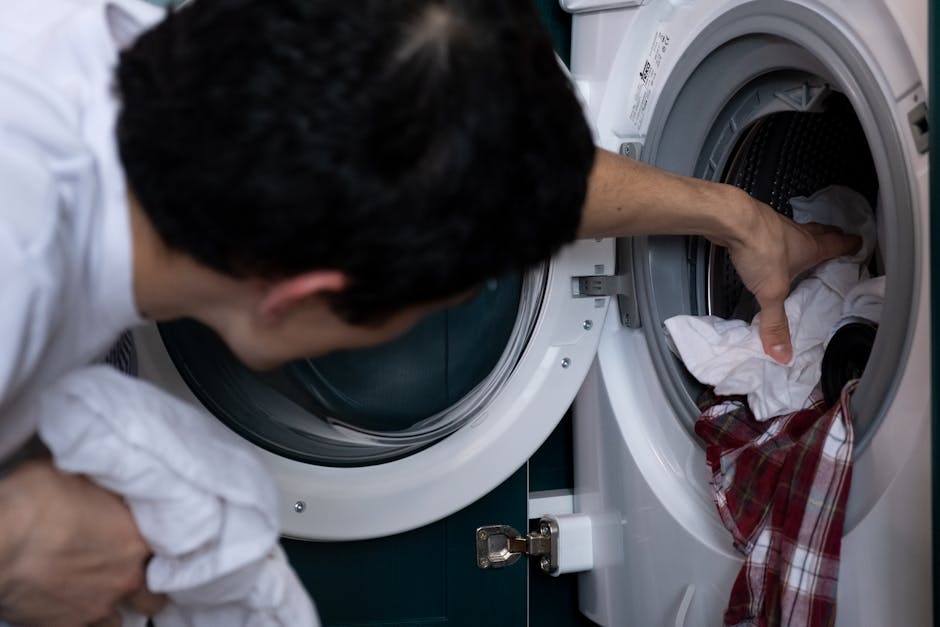
- Cleaning your home can be a form of therapy due to its repetitive and tangible nature.
- Routine chores can act as a form of active mindfulness, quieting mental chatter and anchoring attention in the present moment.
- Simple household tasks engage the brain in a focused and low-pressure way, reducing stress and anxiety.
- Folding laundry, washing dishes, or sweeping floors can be just as beneficial as meditation for mental well-being.
- Grounding oneself in routine chores can provide a sense of accomplishment and calm, unlike complex tasks that can exacerbate mental clutter.
Why does folding laundry or scrubbing a countertop sometimes feel like therapy? As spring cleaning sweeps across households, many people report an unexpected side effect: a quieter mind. Despite the common view of housework as monotonous or burdensome, a growing body of psychological research suggests that everyday tasks like sweeping, organizing, or mopping may offer real mental health benefits. In a culture that often glorifies busyness and overlooks domestic labor, these findings challenge assumptions about what activities truly support well-being. Could it be that the rhythm of routine chores—repetitive, tangible, and immediately rewarding—provides a kind of grounding that more complex tasks cannot? For those struggling with stress or racing thoughts, the answer might lie not in a meditation app, but in the sponge under the kitchen sink.
How Routine Chores Reduce Mental Clutter

Simple household tasks can act as a form of active mindfulness, helping to quiet mental chatter and anchor attention in the present moment. According to Dr. Laurie Santos, a psychology professor at Yale University who teaches a popular course on the science of well-being, activities like washing dishes or sweeping floors engage the brain in a way that is both focused and low-pressure. “When you’re folding socks or wiping down shelves, you’re not solving complex problems, but you’re still accomplishing something,” she explains in an interview with The New York Times. This kind of ‘low-stakes productivity’ can be especially soothing for people experiencing anxiety or depression, where motivation is low but the need for structure remains. The physical movement involved—such as the repetitive motion of mopping—can mimic the effects of light exercise, which is known to boost endorphins and reduce cortisol, the stress hormone.
Scientific Evidence Behind Cleaning and Emotional Regulation

Multiple studies support the idea that cleaning contributes to better mental health. A 2020 study published in the journal Health & Place found that individuals who spent time tidying their homes reported lower levels of cortisol and greater feelings of control over their lives. Researchers observed that even 20 minutes of light cleaning—such as dusting or organizing a drawer—was enough to produce measurable psychological benefits. Another study from the University of Connecticut revealed that people living in cluttered environments were more likely to experience fatigue, procrastination, and elevated stress. Notably, the benefits weren’t limited to those who enjoyed cleaning—many participants reported improved mood regardless of their initial attitude toward chores. As behavioral scientist Dr. Wendy Wood notes, habits like cleaning become more rewarding over time because they create a feedback loop: a clean space feels good, which reinforces the behavior. This cycle can be especially powerful for people dealing with low mood or ADHD, where visible progress helps combat feelings of stagnation.
Counterarguments: When Cleaning Becomes Compulsive

While many benefit from cleaning, it’s important to recognize when the behavior crosses into unhealthy territory. For some individuals, particularly those with obsessive-compulsive disorder (OCD) or anxiety disorders, cleaning can become a compulsive ritual rather than a therapeutic practice. In these cases, the act is driven not by satisfaction but by fear—such as an intense dread of germs or contamination—and provides only temporary relief. The World Health Organization (WHO) distinguishes between healthy routines and compulsive behaviors by assessing whether the activity interferes with daily life or causes distress when not performed. Moreover, societal expectations around cleanliness often place disproportionate pressure on women and caregivers, turning what could be a calming ritual into a source of obligation and burnout. Critics argue that romanticizing housework risks minimizing the emotional labor that underpins it, especially in households where chores are unevenly distributed. Thus, while cleaning can support mental health, it should not be mistaken for a substitute for professional care when deeper psychological issues are present.
Real-World Impact: From Therapy to Community Programs

The mental health benefits of cleaning are already being integrated into real-world interventions. Occupational therapists frequently use structured activities like sorting, wiping, and organizing as part of treatment plans for patients recovering from trauma, depression, or substance abuse. In Japan, the practice of “forest cleaning”—a blend of environmental stewardship and mindfulness—has gained popularity as a form of community-based mental wellness. Similarly, some schools and shelters in the U.S. have introduced “calm-down cleaning kits” containing cloths, spray bottles, and checklists to help individuals regulate emotions during moments of stress. At the individual level, people struggling with executive dysfunction often report that starting with a tiny task—like wiping a single shelf—can break the paralysis of overwhelm and initiate momentum. These examples underscore that the value of cleaning lies not in perfection, but in the process: the tactile feedback, the visible progress, and the sense of agency it fosters.
What This Means For You
If you’re feeling overwhelmed or mentally scattered, consider reframing housework not as a chore to endure, but as a tool for grounding. You don’t need to deep-clean your entire home—start with one drawer, one sink, or one countertop. The goal isn’t spotlessness, but presence. By focusing on the sensory experience—the sound of water, the smell of soap, the rhythm of motion—you may find that your mind begins to settle almost automatically. This approach works best when it’s voluntary and self-directed, free from external pressure. Treating cleaning as a form of self-care, rather than a duty, can transform it from a source of stress into a quiet act of resilience.
Still, questions remain: Can the benefits of cleaning be replicated in digital spaces, such as organizing files or decluttering inboxes? And how do cultural or socioeconomic factors shape who has the time and energy to experience cleaning as therapeutic? These nuances suggest that while the act itself may be simple, its psychological impact is shaped by a complex web of personal and social context.
Source: MedicalXpress