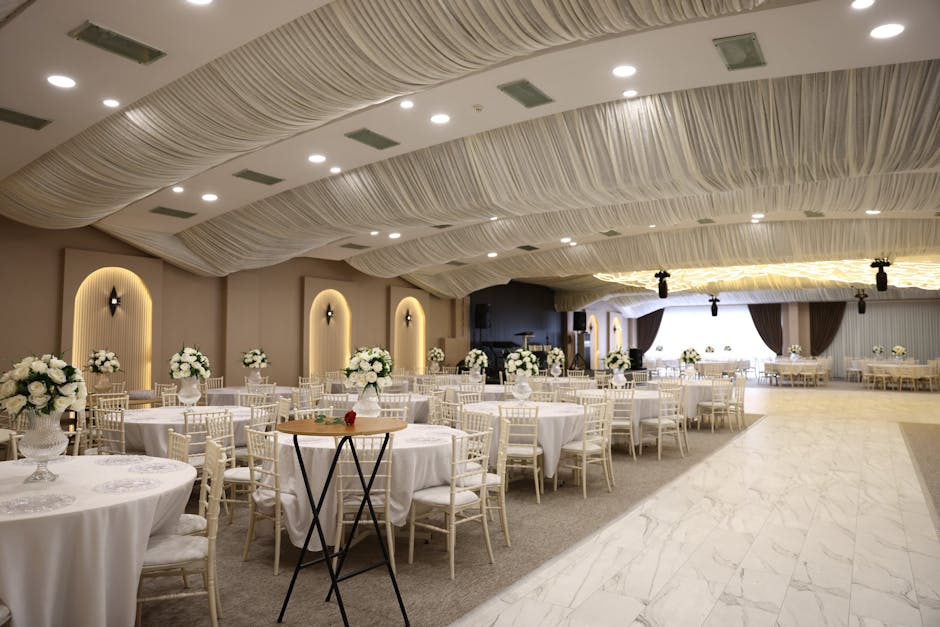
- President Trump unveiled a drone-protected White House ballroom with integrated drone-detection and counter-drone technology.
- The 7,500-square-foot underground ballroom features a layered defense system to detect and neutralize unauthorized drones within 300 meters.
- The system includes radar, radio frequency scanners, and directed-energy jammers to disable small UAVs without posing risks to people or infrastructure.
- The project was initiated after intelligence briefings revealed potential aerial threats to the White House.
- The ballroom is designed to host state dinners, diplomatic receptions, and high-level gatherings with unprecedented security.
Is the White House now a fortress against aerial threats? That’s the question many are asking after President Donald Trump invited reporters to a hard-hat tour of a newly constructed ballroom within the White House complex, touting it as the first of its kind to feature integrated drone-detection and counter-drone technology. As global concerns rise over unmanned aerial vehicles being used for surveillance—or worse, attacks—the administration is signaling a proactive shift in how it protects the nation’s most symbolic residence. The tour, staged with dramatic flair, raised eyebrows not just for its security claims, but for the optics of a president personally showcasing military-grade defenses in a social space.
What Did Trump Reveal About the New Ballroom?

During the tour, President Trump highlighted a 7,500-square-foot underground ballroom currently under construction beneath the East Wing of the White House, designed to host state dinners, diplomatic receptions, and high-level gatherings with unprecedented security. He claimed the space is being shielded by a layered defense system capable of detecting, identifying, and neutralizing unauthorized drones within a 300-meter radius of the compound. According to Trump, the system includes radar, radio frequency scanners, and directed-energy jammers that can disable small UAVs without posing risks to nearby personnel or infrastructure. The project, he said, was initiated after intelligence briefings revealed that foreign actors had tested surveillance drones near presidential retreats, including Camp David. While previous administrations upgraded physical and cyber defenses, this marks the first known integration of anti-drone technology into the White House’s permanent infrastructure.
What Evidence Supports the Need for Drone Defense?

Security officials have long warned about the growing threat of commercially available drones being used for espionage or attacks on sensitive sites. In 2019, a drone breach at a Saudi oil facility demonstrated how even small UAVs could penetrate critical infrastructure defenses. According to Reuters, the attack used low-flying drones that bypassed radar, causing massive disruption. Domestically, the Department of Homeland Security issued alerts in 2022 about rogue drones spotted near nuclear facilities and military bases. The Pentagon has since deployed counter-drone systems at over 50 installations. Trump’s announcement aligns with broader federal efforts, including a 2023 executive order authorizing select agencies to intercept drones near protected sites. While the White House has not released technical specifications, defense analysts from the Center for Strategic and International Studies have confirmed that RF jamming and GPS spoofing are now standard in high-security urban environments.
What Are the Counterarguments to the Ballroom’s Security Upgrade?

Despite the administration’s claims, some experts question whether the drone-protection system is as advanced—or necessary—as portrayed. Critics argue that jamming signals in a densely populated area like Washington, D.C., could interfere with emergency communications, air traffic control, or even medical devices. The Federal Communications Commission has previously opposed widespread signal disruption due to public safety risks. Others suggest the ballroom’s anti-drone features may be more symbolic than operational, serving as a political statement rather than a functional upgrade. Skeptics also point out that no evidence has been made public proving a direct drone threat to the White House itself. Some intelligence analysts believe that traditional threats—like insider breaches or cyber intrusions—remain far more likely than a drone attack. Moreover, the high cost of the ballroom, estimated at $68 million, has drawn criticism amid budget debates over infrastructure and social programs.
What Are the Real-World Implications of a Drone-Protected White House?

The integration of counter-drone technology into the White House sets a precedent for how the U.S. protects high-value sites in the age of accessible aerial surveillance. Other nations, including Israel and the UK, have already installed similar systems around government buildings. Domestically, the move could accelerate adoption by state capitols, courthouses, and major event venues. However, it also raises civil liberties concerns, particularly if local law enforcement begins deploying drone-jamming tools in public spaces. Privacy advocates warn that such technology could be misused to suppress journalistic or activist drone use. On a symbolic level, the fortified ballroom reflects a shift in how American leadership perceives security—not just from traditional warfare, but from decentralized, low-cost threats. It also underscores the blending of ceremonial spaces with military-grade defense, reshaping the image of the presidency in the 21st century.
What This Means For You
While most citizens won’t have access to a drone-shielded ballroom, the White House upgrade signals a broader trend: urban security is evolving to counter new, asymmetric threats. Expect increased use of drone detection at stadiums, airports, and public events. For travelers and tech users, this could mean stricter regulations on flying drones near protected zones. The move also highlights how national security decisions can influence local policies and privacy norms. As technology democratizes surveillance and attack capabilities, even symbolic spaces must adapt—or risk vulnerability.
But how will future presidents balance transparency with security in an era where threats can come from the sky? And as counter-drone tech spreads, who gets to decide where and when it’s used—especially in democratic societies that value open airspace and press freedom? These questions remain unresolved, even as the White House buries its defenses beneath marble and concrete.
Source: Al Jazeera