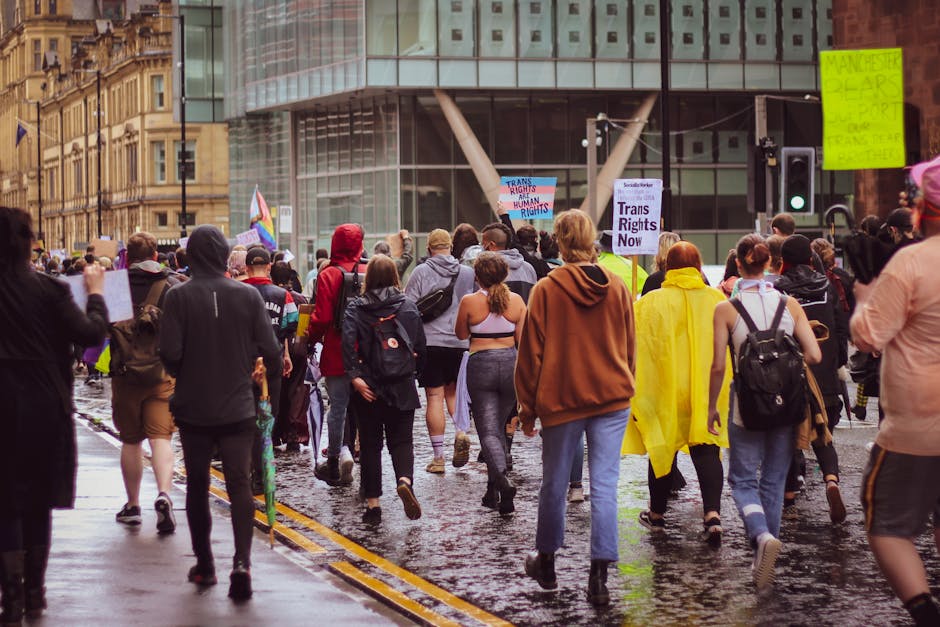
- Thousands of Bolivians are protesting in La Paz, demanding the resignation of President Luis Arce due to economic crisis and corruption.
- The protests are fueled by soaring inflation, unemployment, and public services deterioration, with annual inflation surpassing 11% in 2024.
- Bolivia’s economy is experiencing its worst crisis in over 40 years, with a depreciating currency and sharply rising unemployment.
- The government’s response to the economic crisis has failed to stabilize markets or restore public confidence.
- Protesters are questioning the legitimacy of President Arce’s government amidst allegations of mismanagement and corruption.
What is driving thousands of Bolivians into the streets, risking confrontation with security forces, to demand the resignation of their president? In recent weeks, La Paz has become the epicenter of a swelling movement fueled by frustration over a collapsing economy, rampant inflation, and widespread unemployment. These protests—the largest in decades—are not isolated incidents but symptoms of a deeper national crisis. With families struggling to afford basic goods and public services deteriorating, citizens are asking whether their government still has the legitimacy to lead. The question is no longer if change is needed, but how violently it might come.
What Sparked the Nationwide Protests in Bolivia?

The current wave of protests in Bolivia stems from the country’s worst economic crisis in over 40 years, marked by soaring inflation, a depreciating national currency, and sharply rising unemployment. In early 2024, annual inflation surpassed 11%, the highest level since the hyperinflation era of the 1980s, while the boliviano has lost nearly 20% of its value against the U.S. dollar in the past year. The government’s response—primarily increased public spending and price controls—has failed to stabilize markets or restore public confidence. As food and fuel prices climbed, so did anger toward President Luis Arce and his administration, particularly amid allegations of mismanagement and corruption within key ministries. The tipping point came in May, when a controversial austerity package proposed by the finance ministry triggered nationwide strikes, culminating in mass demonstrations in La Paz, El Alto, and Santa Cruz.
What Evidence Supports the Severity of Bolivia’s Economic Collapse?

Data from Bolivia’s National Institute of Statistics (INE) and international watchdogs confirm the depth of the crisis. In the first quarter of 2024, GDP contracted by 2.3% year-on-year, the third consecutive quarter of decline, pushing the country into technical recession. The International Monetary Fund warned in April that Bolivia faces significant fiscal risks due to declining natural gas revenues—a cornerstone of its economy—while foreign reserves have dwindled to $5.8 billion, down from $11 billion in 2019. Labor union leaders report that youth unemployment now exceeds 18%, and informal employment has risen to 74% of the workforce. “We are reliving the 1980s,” said economist María Elena Sánchez in an interview with BBC Mundo, “except this time, the social safety net is even weaker.” Satellite imagery analyzed by civil society groups shows expanded informal settlements around La Paz, a sign of growing urban poverty.
Are There Alternative Views to the Protest Movement’s Demands?

While the protest movement has drawn widespread support, some analysts caution against viewing the crisis solely as a failure of governance. Supporters of President Arce argue that external shocks—particularly the global decline in natural gas and lithium prices—bear significant responsibility. Bolivia, heavily reliant on commodity exports, has been hit hard by reduced demand from China and Europe. Additionally, some scholars point to the lingering effects of political instability following the 2019 ousting of Evo Morales, which disrupted long-term economic planning. “Blaming Arce alone oversimplifies a structural crisis,” said political scientist Carlos Torrico of the Universidad Mayor de San Andrés. “The state lacks the fiscal tools to respond to global market shifts without foreign credit, which is now harder to obtain.” Moreover, rural communities aligned with agrarian unions have expressed skepticism about urban-led protests, fearing that regime change could undermine hard-won social programs targeting indigenous farmers.
What Are the Real-World Consequences of the Unrest?

The protests have already led to significant disruptions across Bolivia. In La Paz, major highways were blocked for over a week, halting the transport of food and medical supplies. Clashes between demonstrators and police resulted in at least 12 injuries and dozens of arrests, according to the Bolivian Ombudsman’s Office. International businesses have paused investment decisions, and credit rating agencies have downgraded Bolivia’s sovereign debt to speculative grade. Perhaps most concerning, the unrest has deepened regional divides: while cities like Santa Cruz and Cochabamba have seen strong anti-government sentiment, parts of the rural highlands remain loyal to Arce’s Movement for Socialism (MAS) party. This polarization risks escalating into broader civil conflict, especially if dialogue efforts fail. Schools and public offices in several departments have suspended operations, and healthcare access has deteriorated in protest-affected zones.
What This Means For You
If you’re watching global unrest, Bolivia’s crisis is a stark reminder of how economic instability can rapidly erode political legitimacy. For citizens, it underscores the importance of transparent governance and diversified economies in an unpredictable world. While protests may not immediately topple governments, they can shift policy, empower opposition movements, and attract international scrutiny. For investors and policymakers abroad, Bolivia’s situation highlights the vulnerability of resource-dependent nations in times of global economic flux.
Yet, one crucial question remains unanswered: Can Bolivia’s institutions mediate this crisis before it spirals into prolonged conflict? With trust in the presidency at historic lows and no clear path to reconciliation, the country stands at a crossroads. Will dialogue prevail, or will economic despair give way to deeper division?
Source: Al Jazeera