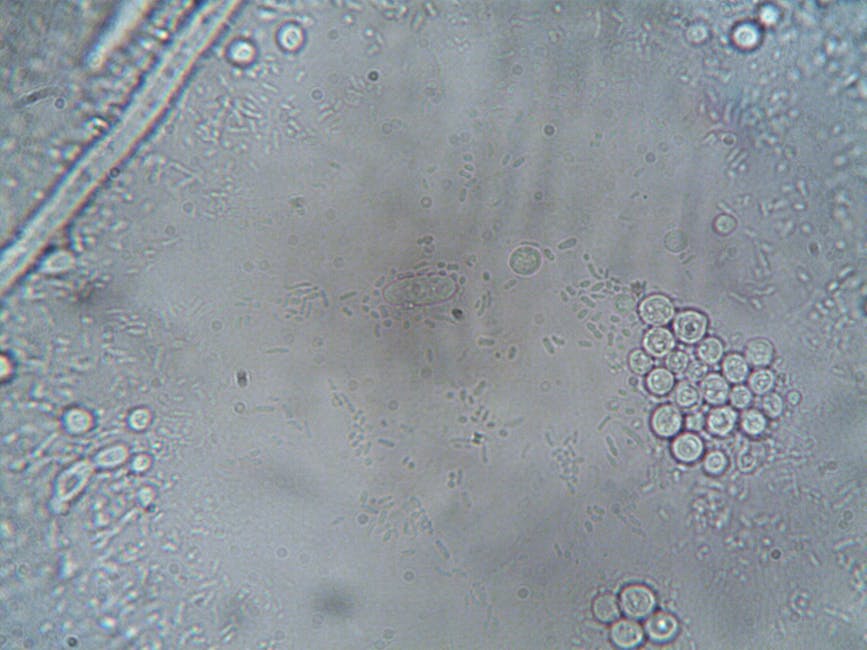
- Neutrophils, immune cells found in the blood, produce brain-linked protein CRMP1 in 90% of cases.
- This discovery challenges the assumption that schizophrenia is solely a brain disorder, suggesting roots of psychosis may lie in immune cells.
- CRMP1 is a molecule involved in neural development and has been linked to schizophrenia, a severe mental health condition.
- Researchers at Stanford Medicine documented neutrophils producing CRMP1 for the first time using gene expression and protein analysis.
- This breakthrough expands our understanding of immune cells and their potential role in mental health and neurological disorders.
On a quiet morning in a Stanford laboratory, a centrifuge hums as blood samples spin into layers, revealing not just plasma and red cells, but a hidden clue to one of psychiatry’s most elusive puzzles. Under the microscope, neutrophils—the scrappy first responders of the immune system, numbering in the billions in every human body—were doing something no one had ever seen them do before: manufacturing a protein called CRMP1, previously thought to be active only in the brain. This molecular surprise, uncovered by a team of immunologists and neuroscientists, is now reverberating through the field of mental health. The discovery doesn’t just expand what we know about immune cells; it challenges a century-old assumption that schizophrenia is solely a brain disorder, suggesting instead that the roots of psychosis may sprout far outside the skull, in the very cells that defend us from infection.
Immune Cells Caught Producing Brain Protein

For the first time, researchers at Stanford Medicine have documented that neutrophils actively produce collapsin response mediator protein 1 (CRMP1), a molecule implicated in neural development and, more recently, in schizophrenia. The findings, published in the Proceedings of the National Academy of Sciences, emerged from a detailed analysis of gene expression and protein synthesis in human blood samples. Using single-cell RNA sequencing and mass spectrometry, the team detected CRMP1 mRNA and the corresponding protein within neutrophils, particularly when the cells were activated during inflammatory responses. What makes this discovery startling is that CRMP1 was long believed to be brain-specific, involved in axon guidance and synaptic plasticity. Its presence in immune cells—especially in such abundance—suggests a previously invisible bridge between peripheral immunity and psychiatric disease. Elevated levels of CRMP1 in neutrophils were observed in individuals with schizophrenia compared to controls, raising the possibility that these cells could serve as biomarkers or even contributors to the disease process.
The Long Road to Peripheral Psychiatry

The idea that mental illness might originate outside the brain is not entirely new, but it has long lived on the scientific margins. For decades, schizophrenia was framed as a disorder of neurotransmitters—dopamine, glutamate, serotonin—operating within the isolated sanctuary of the central nervous system. Yet clues have steadily accumulated: people with autoimmune diseases have higher rates of psychosis; certain infections during pregnancy increase the child’s risk of schizophrenia; and genome-wide association studies have repeatedly flagged immune-related genes among the top genetic risk factors. The discovery of CRMP1 in neutrophils fits into this emerging narrative. As early as the 1930s, researchers noted inflammatory markers in the blood of psychiatric patients, but without tools to trace molecular origins, the findings were dismissed as secondary effects. Now, with advanced profiling techniques, scientists can see that the immune system doesn’t just react to brain illness—it may help shape it. This shift echoes broader trends in medicine, where conditions once deemed purely neurological, like Parkinson’s and Alzheimer’s, are now being re-examined for systemic contributors.
The Scientists Behind the Discovery

The Stanford team, led by Dr. Katerina Akassoglou and Dr. Kevin Tracey, brought together expertise in neuroimmunology and molecular biology to probe the interface between blood and brain. Akassoglou, a senior investigator at the Howard Hughes Medical Institute, has spent years studying how the immune system communicates with the nervous system, particularly through the blood-brain barrier. Tracey, known for his pioneering work on the ‘inflammatory reflex,’ hypothesized that peripheral immune activity could directly influence brain function. Their collaboration was driven by a shared skepticism of the brain-in-a-vat model of psychiatric disease. “We’ve been siloing the brain from the body for too long,” Akassoglou said in a recent interview with The New York Times. “The immune system is the body’s information network, and it doesn’t stop at the skull.” The researchers’ motivation extends beyond academic curiosity—they aim to develop non-invasive diagnostics and treatments that target the body’s immune signals before psychosis manifests.
Implications for Diagnosis and Treatment

If neutrophils are indeed producing CRMP1 in response to systemic inflammation, and if this protein can cross or influence the blood-brain barrier, it could open a new front in the fight against schizophrenia. Current antipsychotics target dopamine receptors and work for only a subset of patients, often with debilitating side effects. A blood-based biomarker like neutrophil CRMP1 could allow for earlier detection, even before symptoms appear, particularly in high-risk populations such as adolescents with a family history. Clinically, this might lead to interventions that modulate the immune system—anti-inflammatory drugs, biologics, or lifestyle changes—before full psychosis develops. Moreover, the finding could help explain why some patients with schizophrenia show elevated markers of inflammation and poor metabolic health. As the World Health Organization notes, people with severe mental illness die 10–20 years earlier than the general population, often from physical illnesses linked to chronic inflammation.
The Bigger Picture
This discovery is part of a quiet revolution in medicine: the dismantling of rigid boundaries between organ systems. The brain is no longer seen as an isolated command center but as one node in a vast, dynamic network that includes the gut, the liver, and the immune system. Recognizing neutrophils as potential players in psychiatric disease forces a re-evaluation of what we consider ‘mental’ illness. It suggests that schizophrenia may not be a single disease, but a syndrome with multiple entry points—genetic, environmental, immunological. This systems-based view could finally deliver on the promise of personalized psychiatry, where treatment is tailored not just to symptoms, but to underlying biological pathways.
What comes next is a wave of validation studies—replicating the findings in larger, diverse populations and determining whether CRMP1 from neutrophils can directly affect brain circuits. Researchers are already designing experiments to track CRMP1 levels over time in at-risk youth. If the protein proves predictive, a simple blood test could one day become a routine part of adolescent mental health screening. The road from discovery to treatment is long, but for a field desperate for new ideas, this tiny protein in a common immune cell may mark the beginning of a transformation.
Source: MedicalXpress