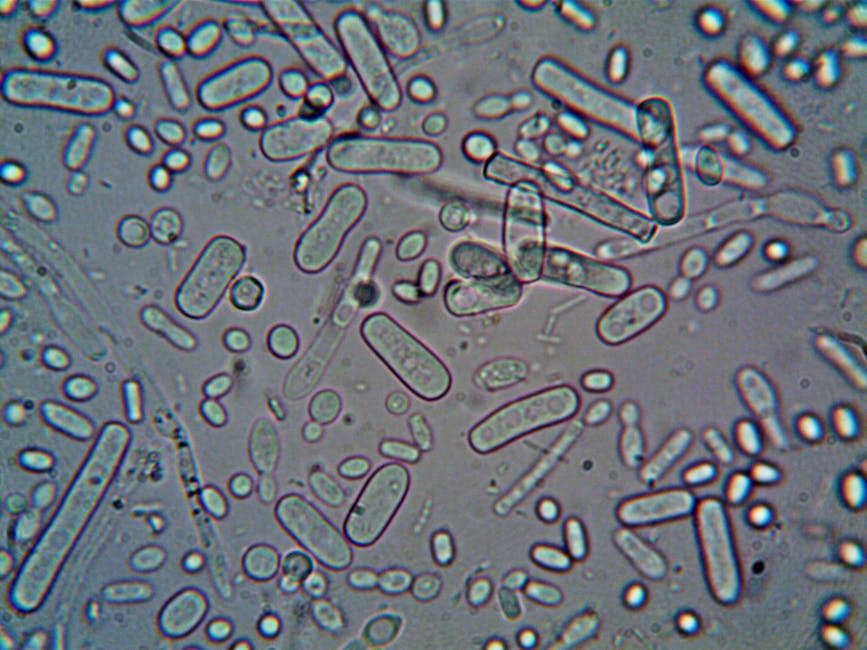
- Broken DNA fragments can travel between cells through intercellular nanotubes, raising concerns about cancer spread.
- Intercellular nanotubes, once thought rare, are actually fragile structures that facilitate DNA transfer between cells.
- Damaged DNA from cancer cells can move into healthy cells, potentially accelerating tumor development or increasing recurrence risk.
- Research suggests that cancer cells may exploit intercellular nanotubes to transfer genetic material to healthy cells.
- This new mechanism could change the way we understand cancer spread and treatment outcomes.
Can cancer spread its genetic damage without actually spreading tumor cells? That’s the startling question emerging from a new wave of research showing that broken fragments of DNA can travel from one human cell to another through fragile, thread-like structures known as intercellular nanotubes. These microscopic tunnels, once thought to be rare biological curiosities, now appear to serve as conduits for transferring not just proteins and signaling molecules, but also mutated and damaged DNA. If cancer cells exploit this mechanism, it raises the unsettling possibility that malignant genetic material could corrupt otherwise healthy cells without direct invasion — potentially accelerating tumor development or increasing the risk of recurrence even after surgical removal of visible cancers.
Can Genetic Damage Spread Without Cancer Cells?

Yes, under laboratory conditions, damaged DNA from cancer cells can move into healthy neighboring cells via intercellular nanotubes. These structures, typically 50–700 nanometers wide and up to several cell diameters long, form transient bridges between cells, allowing the transfer of cytoplasmic contents. A 2023 study published in Nature demonstrated that when human breast cancer cells with fluorescently labeled damaged DNA were co-cultured with normal cells, the mutated DNA fragments appeared in recipient cells within hours. Crucially, the transferred DNA was not integrated into the host genome but persisted in the cytoplasm, where it triggered chronic inflammation and DNA damage responses — hallmarks of pre-cancerous states. This suggests that while the healthy cells don’t immediately turn cancerous, they may enter a state of genomic instability that increases their long-term risk of malignant transformation.
What Evidence Supports DNA Transfer via Nanotubes?

Multiple lines of experimental evidence now support this phenomenon. In addition to live-cell imaging showing fluorescent DNA moving through nanotubes, researchers have used electron microscopy to visualize DNA strands inside these structures. In one experiment, scientists at the University of Bergen disrupted nanotube formation using a drug that targets actin polymerization — a key process in nanotube assembly — and found that DNA transfer dropped by over 70%. Further, single-cell sequencing of recipient cells revealed elevated expression of cGAS-STING pathway genes, which are activated specifically by misplaced DNA in the cytoplasm. As ScienceDaily reported, this pathway is a known driver of inflammation and cellular senescence, both of which are linked to cancer progression. These findings suggest that the transferred DNA isn’t inert debris but functionally active in altering cell behavior.
Are Scientists Skeptical About This Mechanism?

While the evidence is compelling, some researchers urge caution in interpreting these findings as a major driver of cancer spread. Critics argue that most observations come from in vitro models, where cell densities and conditions may exaggerate nanotube formation beyond what occurs in living organisms. Dr. Laura Attardi, a cancer biologist at Stanford University not involved in the study, noted that “while nanotube-mediated DNA transfer is fascinating, we need in vivo evidence across multiple tumor types to assess its physiological relevance.” Others point out that the transferred DNA does not appear to integrate into the recipient’s genome, meaning it likely doesn’t cause permanent mutations. Additionally, the immune system may efficiently clear cells containing foreign DNA before lasting damage occurs. There’s also debate over whether this process is unique to cancer cells or part of a broader intercellular communication system seen in immune responses and tissue repair.
What Are the Real-World Implications for Cancer?

If confirmed in living organisms, this mechanism could have profound implications for cancer treatment and monitoring. For instance, it might explain why some patients experience local recurrence after tumor removal, even when margins appear clean under the microscope. It could also influence how we interpret liquid biopsies: if damaged tumor DNA circulates not just through cell death but via active cell-to-cell transfer, detection methods may need refinement. Therapeutically, targeting nanotube formation — perhaps with drugs that inhibit actin dynamics — could become a novel strategy to contain genetic instability in tumor microenvironments. Moreover, this process may be relevant beyond cancer; similar mechanisms have been observed in neurodegenerative diseases, where misfolded proteins spread between neurons via nanotubes, suggesting a broader paradigm of pathological material transfer in human disease.
What This Means For You
While still in early stages, this research suggests that cancer’s threat may extend beyond tumor size or metastasis to include the silent spread of genetic stress signals. For patients and clinicians, it underscores the importance of monitoring not just tumor cells but the biological environment around them. Future therapies might one day target the communication highways between cells, not just the cancerous ones. For now, it adds a new layer to our understanding of how diseases can hijack fundamental cellular processes.
But many questions remain unanswered: Do these nanotubes form in all types of tumors, or only specific cancers? Can the immune system detect and neutralize cells that have received damaged DNA? And most critically, does this transfer actually lead to new tumors in vivo, or is it a mostly benign biological artifact? Answering these will require advanced imaging in animal models and eventually human tissue studies — a frontier now rapidly gaining attention.
Source: Sciencenews