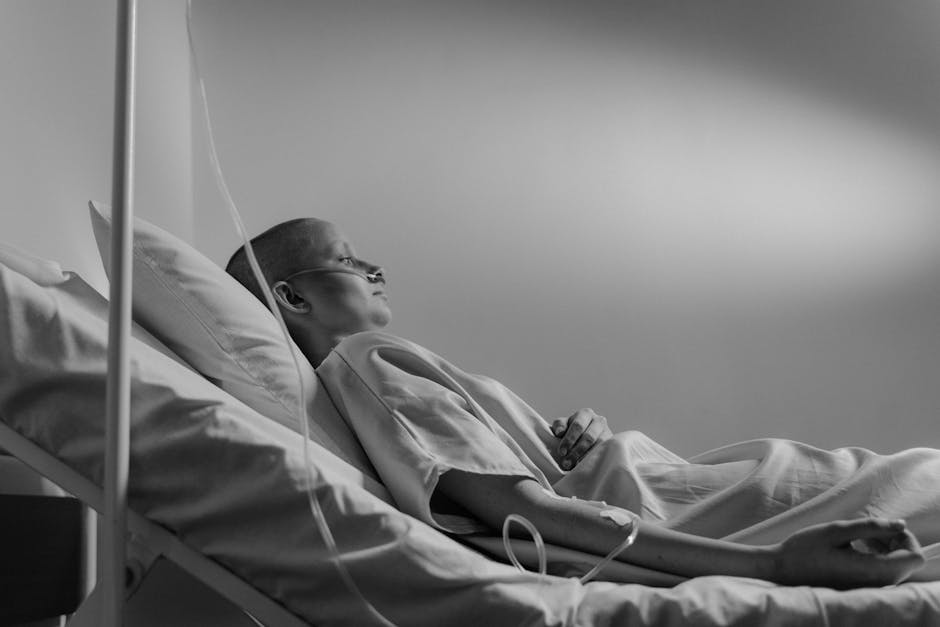
- 20% of mothers experience perinatal mental health conditions, making it a common yet underaddressed issue.
- Perinatal mental illness often goes undiagnosed due to stigma, lack of screening, and fragmented care.
- Untreated perinatal mental health conditions can lead to preterm birth, low birth weight, and developmental delays in children.
- New mothers are often expected to experience maternal bliss, but many face emotional collapse instead.
- Lack of provider training and care coordination contribute to the underdiagnosis and undertreatment of perinatal mental health conditions.
It begins not with a scream, but with silence—a hollowed-out exhaustion that persists long after the baby’s cries have quieted. In dimly lit bedrooms across America, new mothers rock their infants in hushed rhythms, their faces illuminated only by the blue glow of monitors and smartphones searching for answers. They are not alone, though they feel it acutely: twenty percent of women experience mental health conditions like depression, anxiety, or obsessive-compulsive disorder during pregnancy or within the first year after childbirth. Yet despite its prevalence, perinatal mental illness remains shrouded in stigma, misdiagnosed, or ignored entirely. For many, the expectation of maternal bliss collides violently with the reality of emotional collapse, and the systems meant to support them often fail before they even begin.
Perinatal Mental Health Crisis in Real Numbers

One in five pregnancies is shadowed by a diagnosable mental health condition, making perinatal mood and anxiety disorders more common than gestational diabetes or preeclampsia—yet far less routinely screened. According to the American College of Obstetricians and Gynecologists, depression and anxiety during pregnancy or postpartum can lead to preterm birth, low birth weight, and developmental delays in children. Despite these risks, fewer than half of affected women receive treatment. Barriers include lack of provider training, fragmented care between obstetric and mental health services, and insurance limitations. Even when screening occurs, follow-up care is inconsistent. A 2022 study published in JAMA Network Open found that only 38% of women who screened positive for depression received mental health care within three months. The consequences are not just medical—they are social, economic, and deeply personal.
How We Got Here: Decades of Neglect

For much of the 20th century, maternal mental health was dismissed as emotional weakness or hormonal imbalance—conditions to be endured, not treated. It wasn’t until the 1990s that researchers began systematically documenting the scope of perinatal depression. Landmark studies, including those by the National Institute of Mental Health, revealed that biological, psychological, and social factors converge during pregnancy to heighten vulnerability. Yet policy responses lagged. The U.S. didn’t mandate depression screening in maternity care until 2016, when ACOG issued updated guidelines. Even then, implementation has been spotty. Rural clinics lack psychiatrists; urban centers face long waitlists. Meanwhile, Medicaid, which covers nearly half of all U.S. births, often fails to reimburse mental health services adequately. As a result, a patchwork of nonprofit programs and underfunded state initiatives fills the void—valiant but insufficient.
The People Behind the Research and Recovery

Kara Zivin, a professor of psychiatry and obstetrics and gynecology at the University of Michigan, is both a researcher and a survivor. She has spent over a decade studying health policy and maternal outcomes, publishing influential work on care access and disparities. But her expertise is also forged in personal struggle—she experienced severe depression during her own pregnancy, a journey she chronicled in her memoir, Dark Maternity. “I was a psychiatrist and still didn’t recognize my own symptoms,” she told Reuters Health. Her dual perspective has made her a leading voice in advocating for integrated care models, where mental health screenings are embedded in routine prenatal visits. Other clinicians, like Dr. Samantha Meltzer-Brody at UNC’s Perinatal Psychiatry Program, are pushing for specialized clinics and telehealth expansion to reach underserved populations.
Consequences for Families and the Health System

When perinatal mental illness goes untreated, the ripple effects extend far beyond the mother. Infants may experience disrupted bonding, affecting emotional and cognitive development. Partners often report increased stress and relationship strain. Economically, untreated maternal depression costs the U.S. an estimated $14.2 billion annually in direct health care and lost productivity, according to a study in Health Affairs. Racial disparities compound the crisis: Black and Indigenous women face higher rates of maternal mental health conditions yet are less likely to receive care. The postpartum period, already a time of immense physical and emotional transition, becomes a high-risk window without intervention. And with the U.S. maternal mortality rate rising—particularly among women of color—the mental health dimension cannot be ignored.
The Bigger Picture
This is not merely a health care issue—it is a reflection of how society values motherhood. The myth of the ‘natural’ mother, serene and self-sacrificing, persists in cultural narratives, discouraging women from seeking help. Countries like the United Kingdom and the Netherlands have integrated postnatal home visits with mental health support, resulting in lower rates of untreated illness. In the U.S., change is possible but requires systemic will: expanded Medicaid coverage, mandatory provider training, and public awareness campaigns that normalize maternal mental health care. As more women share their stories, the silence is beginning to crack.
What comes next may depend on whether policy catches up with science. Pilot programs for coordinated care are showing promise, and grassroots advocacy is growing. But for millions of mothers, healing begins not with a diagnosis, but with permission—to be unwell, to ask for help, and to recover. The path forward is not just clinical, but cultural: a reimagining of motherhood that makes space for both joy and struggle.
Source: MedicalXpress