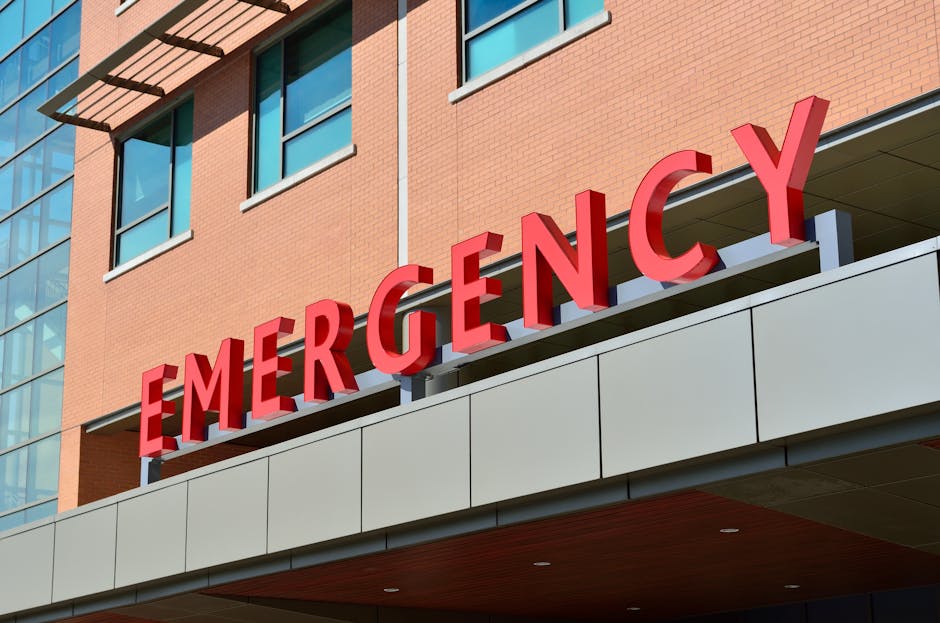
- The cost of emergency mental health care for children in England has nearly quadrupled over the past decade, from £22.5 million to £87.3 million.
- Emergency mental health admissions for children and young people have been on the rise, with a sharp increase in hospitalizations over the past 11 years.
- Overstretched services are struggling to manage acute psychiatric episodes in minors, leading to prolonged hospital stays.
- The rising cost of emergency mental health care is a reflection of a system in crisis, with services failing to meet the needs of vulnerable children.
- The financial burden of emergency mental health care for children is placing a significant strain on the NHS.
In a quiet corner of a pediatric emergency ward in Manchester, a 14-year-old girl sits curled on a plastic chair, her arms wrapped tightly around her knees. She’s been here for 12 hours, not because of a broken bone or infection, but because she told her school counselor she wanted to die. Behind her, the fluorescent lights hum over a scene increasingly common across England: children and adolescents waiting in corridors, on stretchers, or in offices not designed for medical care, all caught in a mental health system stretched beyond capacity. These moments—frightened, vulnerable, and often overlooked—are now reflected in stark financial terms: the cost of emergency mental health care for children has nearly quadrupled over the past decade, revealing a system in silent crisis.
Emergency admissions on the rise

The total cost of emergency mental health admissions for children and young people in England surged from £22.5 million in 2012/13 to £87.3 million in 2021/22, according to a longitudinal analysis published in BMJ Open. This near-quadrupling of expenditure reflects both rising admission rates and prolonged hospital stays, as overstretched services struggle to manage acute psychiatric episodes in minors. The study, which analyzed NHS Digital data across 11 years, found that the number of emergency mental health hospitalizations climbed steadily, with particularly sharp increases following the onset of the COVID-19 pandemic. Most admissions involved adolescents aged 13 to 18, with self-harm, suicidal ideation, and severe anxiety disorders cited as primary reasons. Crucially, the data underscores a systemic failure to provide timely community-based interventions, pushing more young people into the costly and traumatic realm of emergency care.
The roots of a growing crisis

This escalation did not occur overnight. The surge in emergency costs is the culmination of over a decade of underfunded mental health services, policy gaps, and growing societal pressures on youth. Following austerity measures after the 2008 financial crisis, many local authority-funded early intervention programs—such as school-based counseling and youth outreach—were scaled back or eliminated. Simultaneously, referrals to Child and Adolescent Mental Health Services (CAMHS) have skyrocketed, increasing by over 50% between 2017 and 2022. Despite government promises to transform youth mental health care, including the 2017 Green Paper on childhood mental health, investment has failed to keep pace with need. Long wait times, eligibility thresholds, and fragmented care pathways have left families with nowhere to turn until a crisis occurs—turning preventable breakdowns into emergencies requiring hospitalization.
Voices shaping the response

Behind the statistics are clinicians, policymakers, and advocates grappling with how to respond. Pediatric psychiatrists report being overwhelmed by the volume and severity of cases, often treating children in emergency departments due to a lack of inpatient beds. Charities like Mind and YoungMinds have long warned of a ‘ticking time bomb’ in youth mental health, urging greater investment in prevention. Meanwhile, some NHS trusts have piloted rapid-access mental health hubs for young people, aiming to divert cases from emergency settings. Yet, progress remains uneven across regions, with rural and economically deprived areas facing the greatest shortages. Parents, too, have become vocal, sharing stories of months-long waits for assessments and the emotional toll of watching their children deteriorate without support.
Consequences for young lives and the system

The financial toll is only one facet of the crisis. For children, emergency admission can be traumatic, disrupting education, deepening stigma, and sometimes leading to re-traumatization in overcrowded or inappropriate environments. From a systemic perspective, the shift toward costly emergency care reflects a misallocation of resources—money spent on crisis intervention could have prevented more cases if invested earlier. Schools report rising numbers of students in distress, while general practitioners face increasing pressure to manage mental health issues without adequate training or referral options. The long-term implications extend beyond healthcare, affecting educational outcomes, workforce readiness, and intergenerational well-being.
The Bigger Picture
This trend is not unique to England. Countries across the developed world are seeing rising rates of youth mental illness, linked to social media, economic uncertainty, and pandemic-related isolation. But England’s data offers a cautionary tale of what happens when mental health is treated as a secondary concern within a strained public system. The quadrupling of emergency costs is not just a financial indicator—it’s a moral one. It signals a failure to prioritize the psychological well-being of the next generation until they reach breaking point. As mental health becomes a leading cause of disability among youth globally, early and equitable access to care must shift from aspiration to obligation.
What comes next will depend on political will and systemic reimagining. Experts call for sustained funding for school-based mental health programs, expanded CAMHS capacity, and national standards for early intervention. Without structural change, emergency departments will remain the de facto front line of care—for children who should never have reached that point.
Source: MedicalXpress