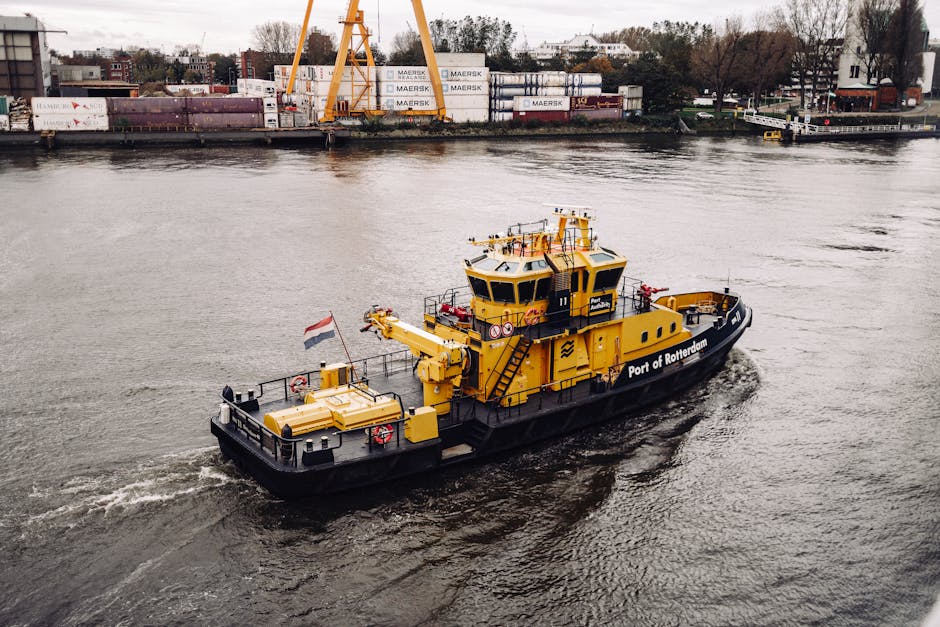
- A cruise ship linked to a deadly hantavirus outbreak has docked in Rotterdam, Netherlands, for comprehensive disinfection.
- The ship will undergo a thorough decontamination process, involving assessments of ventilation systems, cabins, and common areas.
- Crew and passengers will not be allowed to disembark until full medical screening is complete.
- The hantavirus outbreak has raised concerns about the safety of reusing vessels and the effectiveness of decontamination.
- The cruise industry is still recovering from previous health crises and is under scrutiny for its handling of the outbreak.
What will happen to a cruise ship linked to a deadly hantavirus outbreak? The vessel, once a symbol of leisure and escape, is now at the center of an international health containment effort after reports emerged of multiple infections and fatalities among passengers and crew. After weeks at sea under restricted movement, the ship has finally docked in Rotterdam, Netherlands, where it will undergo a comprehensive disinfection process. As global health authorities watch closely, questions swirl about the safety of reusing such vessels, the effectiveness of decontamination, and the long-term implications for the cruise industry still recovering from previous health crises.
What Is the Current Status of the Hantavirus-Infected Ship?

The cruise ship, whose name has been withheld pending further investigation, has officially entered the port of Rotterdam under strict biosecurity protocols. Dutch health and maritime authorities coordinated the docking with support from the European Centre for Disease Prevention and Control (ECDC). The vessel will not allow crew or passengers to disembark until full medical screening is complete. It is currently moored at a remote section of the port designated for high-containment operations. Decontamination teams wearing full personal protective equipment (PPE) have begun assessing the ship’s ventilation systems, cabins, and common areas for hantavirus contamination. The process is expected to take several weeks, involving chemical fogging, ultraviolet sterilization, and air filtration system replacements. The Dutch Ministry of Health has confirmed that no active cases have been reported since the ship left international waters, but monitoring continues.
What Evidence Supports the Hantavirus Outbreak on Board?

Initial cases were identified after three passengers were medically evacuated from the ship in the Canary Islands, with two later succumbing to respiratory failure consistent with hantavirus pulmonary syndrome (HPS). Laboratory tests conducted by Spain’s National Microbiology Centre confirmed Sin Nombre virus, a strain of hantavirus typically carried by rodents. Traces of rodent excreta were later found in storage compartments and ventilation shafts during a preliminary inspection. According to the World Health Organization, hantaviruses can remain infectious in the environment for up to 12 days under favorable conditions, increasing the risk of secondary transmission. The ECDC has stated that the ship’s prolonged indoor occupancy and recirculated air likely contributed to airborne spread among individuals in close proximity, a rare but documented transmission route for hantaviruses.
Are There Alternative Explanations for the Outbreak?

While the official investigation points to hantavirus, some experts urge caution in assigning full blame without deeper epidemiological analysis. Dr. Lena Meijer, a virologist at Erasmus University Rotterdam, noted that symptoms resembling HPS can overlap with other rodent-borne pathogens or severe viral pneumonias. She emphasized that without whole-genome sequencing of the virus from multiple patients, it’s difficult to rule out co-infections or environmental amplifiers. Additionally, critics argue that focusing solely on rodent control deflects attention from systemic issues in cruise ship sanitation standards, particularly in cargo and service zones that are often overlooked during routine inspections. The Cruise Lines International Association (CLIA) has acknowledged gaps in biosecurity protocols but maintains that such outbreaks are exceptionally rare, occurring in fewer than 0.01% of global sailings annually.
What Are the Real-World Implications of This Incident?

This event could reshape health and safety standards across the cruise industry. In 2020, the sector faced a near-total shutdown due to the COVID-19 pandemic, and recovery has been fragile. The hantavirus incident threatens to erode consumer confidence once again. Already, several major insurers have signaled potential premium increases for cruise operators, citing elevated bio-risk exposure. Ports in Italy, Greece, and the Caribbean have quietly begun reviewing their own quarantine and docking policies for vessels with suspected zoonotic outbreaks. Meanwhile, Rotterdam’s role as a decontamination hub may set a precedent for future responses. The port already hosts specialized facilities for hazardous material handling, and this case could lead to the creation of an international maritime biocontainment protocol under the International Maritime Organization (IMO).
What This Means For You
If you’re planning a cruise, this incident underscores the importance of checking a line’s health safety record and understanding their outbreak response policies. While the risk of hantavirus remains extremely low—especially compared to more common travel-related illnesses like norovirus—the event highlights vulnerabilities in enclosed, high-density environments. Travelers should remain informed through trusted public health advisories before boarding any vessel. The broader takeaway is that global mobility systems must adapt to emerging zoonotic threats, particularly as climate change and supply chain complexities increase the likelihood of rodent infestations in transport networks.
Could this be a turning point for maritime public health regulation? As disinfection efforts continue in Rotterdam, the world is watching to see whether this incident leads to stronger international standards—or fades into the background like past warnings that went unheeded.
Source: News