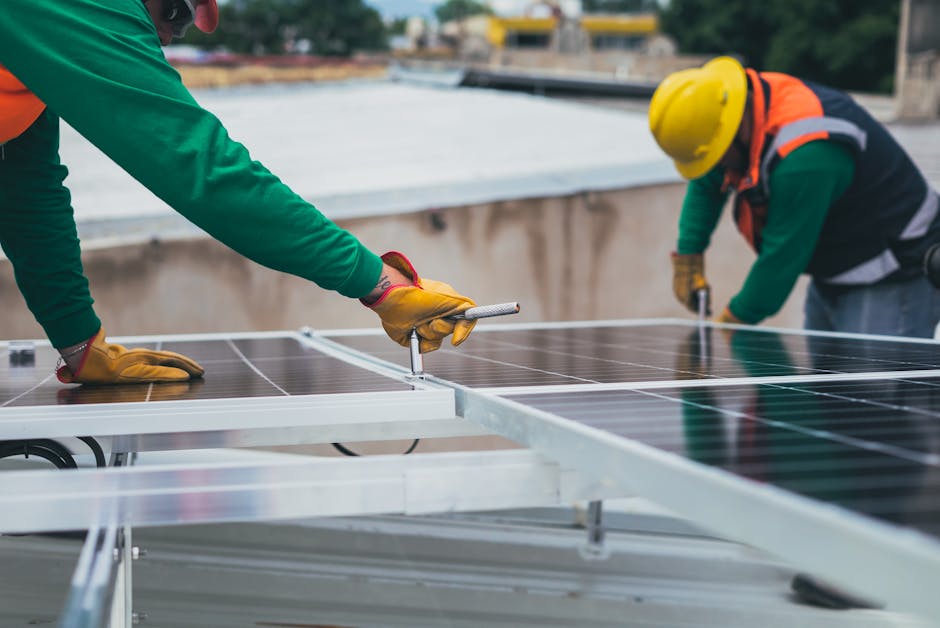
- Solar panel sales in the US have surged 40% year-over-year, driven by rising electricity costs and increased awareness of climate impacts.
- Over 500,000 new rooftop solar systems were installed in 2023, enough to power approximately 6 million homes.
- Solar panels can pay for themselves in as little as six to eight years, making them a sound financial investment.
- The cost of solar photovoltaic (PV) systems has dropped by more than 70% since 2010, making installations more accessible.
- The Inflation Reduction Act provides new federal incentives for solar adoption, including an extended and expanded Investment Tax Credit (ITC).
The U.S. solar market has seen a 40% year-over-year increase in residential installations, according to the latest data from the Solar Energy Industries Association (SEIA), as more homeowners turn to renewable energy to combat rising electricity costs. In 2023 alone, over 500,000 new rooftop solar systems were installed across the country, enough to power approximately 6 million homes. This surge is driven not only by long-term cost savings but also by growing awareness of climate impacts and new federal incentives under the Inflation Reduction Act. With utility rates increasing an average of 5.6% annually over the past five years, families are realizing that solar panels pay for themselves in as little as six to eight years, making them a sound financial investment as much as an environmental one.
Why Solar Adoption Is Accelerating Now

The timing of this solar boom is no coincidence. After years of incremental growth, several converging factors have created a perfect storm for residential solar adoption. Electricity prices have remained elevated due to supply chain disruptions, geopolitical instability affecting fossil fuel markets, and extreme weather events straining the grid. At the same time, the cost of solar photovoltaic (PV) systems has dropped by more than 70% since 2010, making installations more accessible than ever. The Inflation Reduction Act, passed in 2022, extended and expanded the federal solar Investment Tax Credit (ITC), allowing homeowners to deduct 30% of installation costs from their taxes through 2032. These financial incentives, combined with rising energy insecurity, have transformed solar from a niche green technology into a mainstream household utility upgrade.
One Business Leader’s Bold Move to Go Solar

Among the growing wave of solar adopters is James Reed, director of operations at a mid-sized manufacturing firm in Arizona, who recently placed an order for 2,000 solar panels to power his company’s primary production facility. “We’re not just doing this for sustainability,” Reed stated. “We’re doing it to safeguard our operating costs for the next two decades.” His company expects to cut its annual energy bill by nearly $180,000 and achieve full payback on the investment within seven years. Reed’s decision reflects a broader trend among small and medium-sized enterprises seeking to insulate themselves from utility volatility. Commercial solar installations have also risen by 32% in the past year, with businesses citing both economic and reputational benefits as key motivators.
Behind the Numbers: Market Drivers and Technological Advances

The solar boom is being fueled not only by economics but also by rapid advancements in technology and financing. Modern solar panels are more efficient, durable, and easier to install than ever before, with leading models converting over 22% of sunlight into electricity. Innovations in battery storage, such as the Tesla Powerwall and LG Chem RESU series, allow homeowners to store excess energy for use during peak hours or blackouts, increasing energy resilience. Financing options like solar leases, power purchase agreements (PPAs), and low-interest green loans have also lowered the barrier to entry. According to a 2023 report by Nature Energy, households with solar panels save an average of $1,500 annually on electricity, with savings projected to grow as utility rates climb.
Who Benefits and Who’s Left Behind?

While the solar revolution offers widespread benefits, access remains uneven. Homeowners in affluent, sun-rich states like California, Texas, and Florida are leading adoption, while renters and low-income households often face structural barriers. Upfront costs, even with incentives, can be prohibitive, and not all roofs are suitable for installation. Moreover, some utility companies have lobbied for reduced net metering policies, which compensate solar owners for excess power fed back into the grid, threatening the economic viability of solar in certain regions. Community solar programs—where multiple households share a single off-site array—offer a promising solution, but they currently serve less than 5% of eligible customers. Expanding equitable access will be critical to ensuring the solar transition benefits all Americans, not just those who can afford rooftop systems.
Expert Perspectives
Energy analysts are divided on how sustainable the current growth trajectory is. Dr. Elena Martinez, a renewable energy scholar at Stanford University, believes the trend is here to stay: “Solar is now the cheapest source of electricity in most parts of the world. Once you account for inflation and fossil fuel volatility, the economics are undeniable.” However, some industry skeptics caution against over-optimism. Michael Tran, director of energy research at RBC Capital Markets, warns that “grid integration, supply chain bottlenecks, and policy uncertainty could slow adoption if not addressed.” Both agree that long-term success depends on continued investment in grid modernization and storage infrastructure.
Looking ahead, the solar industry faces both opportunities and challenges. The Biden administration has set a goal of achieving 100% carbon-free electricity by 2035, with solar expected to supply nearly half of that demand. To meet this target, the U.S. will need to install solar at roughly three times the current rate. Key developments to watch include advancements in perovskite solar cells, which promise even higher efficiencies, and potential reforms to utility rate structures that could either accelerate or hinder adoption. As more homeowners and businesses take control of their energy future, the shift toward decentralized, renewable power is becoming not just a possibility—but an inevitability.
Source: BBC