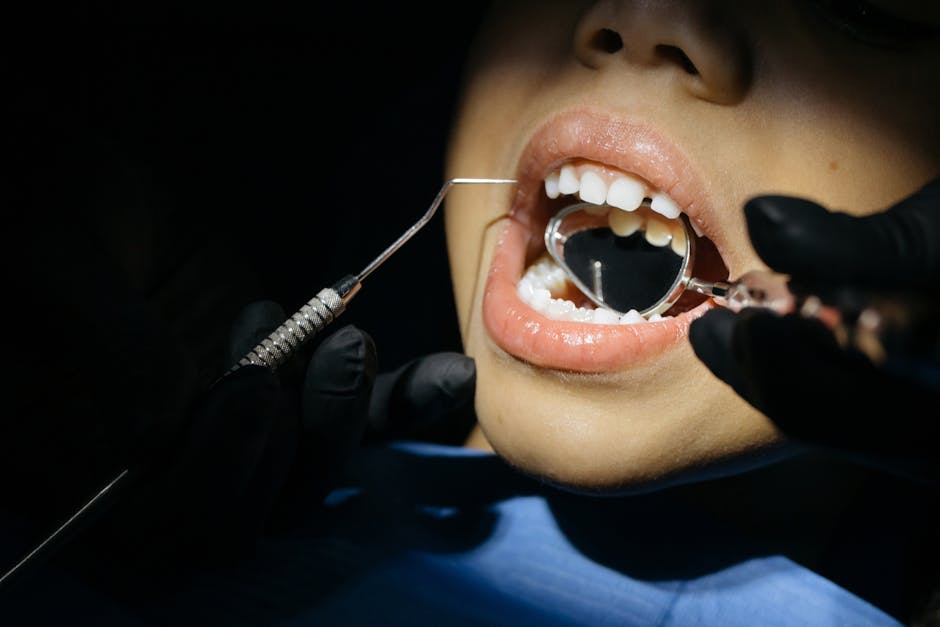
- Researchers found links between oral microbiome and metabolic diseases, including diabetes, liver dysfunction, and obesity.
- A routine dental checkup could potentially flag pre-diabetes or fatty liver disease before symptoms appear.
- The study analyzed data from over 1,000 participants, highlighting the oral microbiome’s role in metabolic health.
- The oral microbiome may play a key role in metabolic health, mirroring patterns found in the body’s deeper systems.
- Scientists are moving away from treating the mouth as a separate biological system, recognizing its connection to the body.
In a quiet lab at the University of California, San Francisco, rows of frozen saliva samples sit in ultra-cold freezers, each vial holding a microscopic universe teeming with bacteria. These aren’t just random microbes from the human mouth—they’re potential harbingers of disease, quietly whispering clues about a person’s risk for diabetes, liver dysfunction, and obesity. For years, scientists have treated the mouth as a biological borderland, separate from the body’s deeper systems. But a new, comprehensive study is erasing that boundary, revealing that the oral microbiome—the trillions of bacteria living in our mouths—may play a pivotal role in metabolic health. By analyzing over 1,000 participants’ saliva and linking microbial profiles to blood markers, researchers have uncovered patterns so consistent they suggest a future where a routine dental checkup could flag pre-diabetes or fatty liver disease long before symptoms appear.
Metabolic Health Mirrored in the Mouth

Published in the journal Nature Medicine, the study analyzed data from the Oral Inflammatory Disease and the Microbiome (ORIGINS) Project, one of the most detailed investigations into oral microbial ecology to date. Researchers cataloged the bacterial species present in participants’ saliva and cross-referenced them with clinical markers like fasting glucose, insulin resistance (HOMA-IR), liver enzyme levels, and body mass index (BMI). They found that individuals with higher levels of certain bacteria—particularly Prevotella and Veillonella—were significantly more likely to show early signs of metabolic dysfunction. Conversely, those with abundant Neisseria and Streptococcus salivarius had healthier metabolic profiles. The correlation was so strong in some cases that machine learning models could predict pre-diabetes status with over 70% accuracy based on oral bacteria alone. These findings suggest the mouth may not merely reflect systemic health but actively influence it, possibly through inflammatory pathways or bacterial translocation into the bloodstream. The study marks a shift from treating oral health as cosmetic or isolated to recognizing it as a vital window into whole-body metabolism.
From Gum Disease to Systemic Inflammation

The idea that oral health affects the rest of the body is not entirely new. For decades, periodontitis has been linked to cardiovascular disease, with studies showing that chronic gum inflammation can elevate systemic markers like C-reactive protein (CRP), contributing to atherosclerosis. What’s novel is extending this concept to metabolism. The mouth, with its warm, moist, nutrient-rich environment, hosts more than 700 bacterial species, some of which can enter the bloodstream through bleeding gums or routine activities like chewing. Once inside, these microbes or their byproducts—such as lipopolysaccharides—can trigger low-grade inflammation, which is increasingly recognized as a driver of insulin resistance and non-alcoholic fatty liver disease (NAFLD). The new research builds on earlier animal studies, where transplanting oral bacteria from diabetic mice into healthy ones induced glucose intolerance. Now, with human data confirming similar patterns, scientists are reevaluating the mouth as a reservoir of metabolic risk—not just a site of plaque and cavities.
The Scientists Bridging Mouth and Metabolism

Leading the study is Dr. Purnima Kumar, a microbiologist and periodontist whose work has long challenged the siloed nature of medical and dental care. Frustrated by how often patients with severe gum disease also struggled with diabetes or obesity, she began asking whether the connection was more than coincidental. “We’ve treated the mouth like an island,” she said in an interview, “but the bacteria don’t know that.” Her team, composed of microbiologists, endocrinologists, and bioinformaticians, spent years standardizing saliva collection, sequencing microbial DNA, and controlling for confounders like diet, smoking, and medication use. Their interdisciplinary approach allowed them to isolate microbial signals that persist across diverse populations. Meanwhile, computational biologists developed algorithms to identify bacterial consortia—groups of microbes acting in concert—rather than focusing on single species. This systems-level view is key to understanding how complex microbial communities influence host physiology. The researchers emphasize that their goal isn’t just academic; they envision a future where dentists and primary care providers share data, and a mouth swab becomes as routine as a cholesterol test.
Implications for Prevention and Screening

If validated in larger, longitudinal studies, these findings could reshape preventive medicine. Currently, metabolic conditions like pre-diabetes are often diagnosed only after years of silent progression, when tissue damage has already begun. A non-invasive, low-cost oral screening tool could catch at-risk individuals much earlier. For public health systems, this could mean integrating oral microbiome testing into routine checkups, especially for high-risk populations. Dentists might one day refer patients not just for cleanings but for glucose monitoring. Pharmaceutical and biotech companies are already exploring probiotics or antimicrobial rinses designed to shift the oral microbiome toward a healthier state. However, caution remains: correlation does not equal causation, and altering the oral microbiome could have unintended consequences. Still, the potential to intercept metabolic disease at its earliest stage—through the mouth—represents a paradigm shift in how we think about health surveillance.
The Bigger Picture
This research fits into a broader scientific awakening: the human body as a superorganism, where microbial ecosystems shape everything from immunity to mental health. The gut microbiome has dominated this narrative, but the mouth may be just as influential—and far more accessible. Unlike stool samples, saliva is easy to collect, store, and analyze, making it ideal for population-wide screening. As precision medicine advances, the oral microbiome could become a dynamic biomarker, offering real-time insights into metabolic shifts. It also underscores a long-ignored truth: that dental and medical care should not be separate realms. The mouth is not an ornament—it’s a gateway.
What comes next is validation. Researchers are launching follow-up studies to determine whether changes in the oral microbiome precede metabolic decline or merely accompany it. If causal links are confirmed, interventions could range from targeted antimicrobials to dietary adjustments that favor beneficial bacteria. One day, a visit to the dentist might not only save your smile—but your liver, your pancreas, and your long-term health.
Source: New Scientist