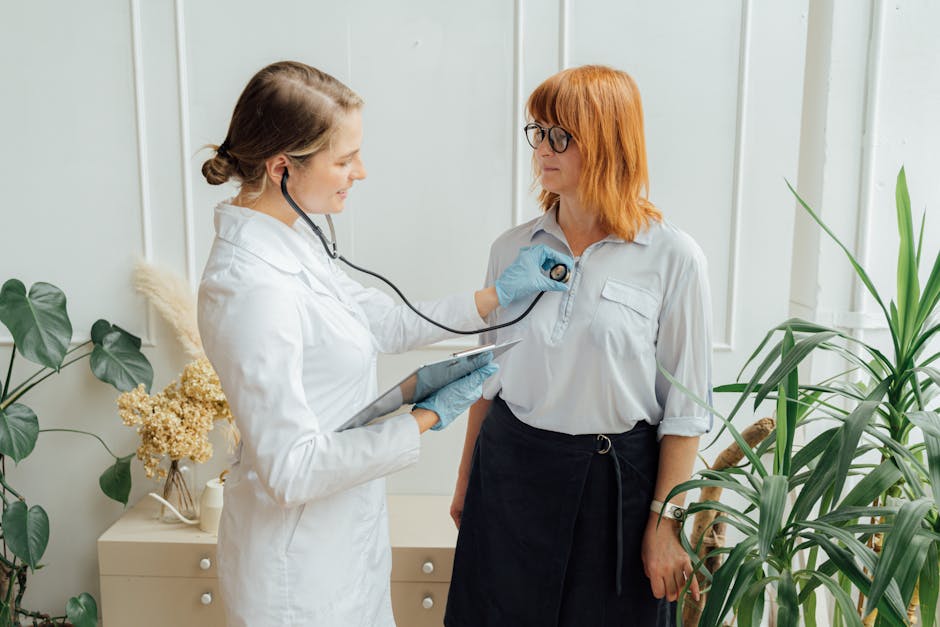
- Compassionate care can be a powerful tool in improving patient outcomes and trust in healthcare providers.
- Physician-patient interactions that demonstrate empathy can lead to better adherence to treatment and reduced pain perception.
- Hospitals that prioritize patient experience tend to have higher survival rates for certain medical conditions.
- Empathetic physicians can improve patient trust and adherence to treatment regimens.
- Relational care is a clinical intervention with measurable outcomes, not a soft skill.
When a patient expressed fear about being admitted to the hospital, one physician made a simple promise: to visit him the next day. That small commitment—fulfilled by arriving early to shift and sitting at the bedside for conversation—became a powerful example of compassionate care. In an era dominated by electronic records, throughput metrics, and clinician burnout, this quiet exchange illustrates how human presence remains medicine’s most vital tool. Empathy, not just expertise, often determines a patient’s sense of safety and trust in their care team.
\n\n
The Evidence Behind Compassionate Care

\n
Multiple studies confirm that empathetic physician-patient interactions improve clinical outcomes. A 2016 meta-analysis published in Patient Education and Counseling found that higher empathy scores among clinicians correlated with better adherence to treatment, reduced pain perception, and lower complication rates in diabetic patients. The Cleveland Clinic has demonstrated that hospitals scoring in the top quartile for patient experience report 13% higher survival rates for acute myocardial infarction. Furthermore, the American Medical Association reports that patients who perceive their doctors as empathetic are 50% more likely to follow prescribed regimens. These findings suggest that relational care is not a soft skill but a clinical intervention with measurable impact on recovery, satisfaction, and even mortality.
\n\n
Key Players in Patient-Centered Care

\n
The attending physician in this encounter exemplifies a growing movement toward humanistic medicine, where clinicians prioritize emotional connection alongside technical competence. Medical institutions like Johns Hopkins and Massachusetts General Hospital now include empathy assessments in residency training, recognizing that bedside manner affects both patient outcomes and staff resilience. Nurses, social workers, and patient advocates also play pivotal roles in creating supportive environments, especially for individuals facing isolation or anxiety during hospitalization. Meanwhile, organizations such as the Schwartz Center for Compassionate Healthcare promote structured programs where clinicians reflect on emotionally challenging cases, reinforcing the idea that emotional labor is integral to healing. These actors collectively shape a culture where kindness isn’t incidental—it’s institutionalized.
\n\n
Trade-Offs Between Efficiency and Empathy

\n
Despite the proven benefits of compassionate care, systemic pressures often discourage it. Physicians face increasing administrative burdens: the average primary care provider spends nearly two hours on electronic health records for every hour of direct patient contact, according to a 2023 study in Annals of Internal Medicine. Time spent sitting with a patient—like the doctor who visited early—can come at personal cost: delayed charting, missed breaks, or extended shifts. Yet the long-term trade-off favors empathy: clinicians who maintain meaningful connections report lower burnout rates, while hospitals with higher empathy scores see reduced malpractice claims and staff turnover. The challenge lies in aligning incentives so that compassionate acts are not heroic exceptions but sustainable practices.
\n\n
Why This Moment Matters Now

\n
The post-pandemic healthcare landscape has amplified both patient anxiety and clinician exhaustion. After years of isolation, infection risk, and strained systems, trust in medical institutions has eroded in some communities. A 2022 Kaiser Family Foundation survey found that 40% of adults delayed care due to emotional or psychological concerns. In this context, simple gestures—like a doctor keeping a promise to visit—serve as anchors of stability. Moreover, with artificial intelligence and telemedicine reshaping care delivery, there is renewed urgency to preserve the human element. This moment, though small, arrives at a critical juncture: when redefining healthcare quality means valuing presence as much as procedure.
\n\n
Where We Go From Here
\n
In the next 6 to 12 months, healthcare systems could see expanded empathy training integrated into performance evaluations, supported by real-time patient feedback tools. Alternatively, without policy changes, such acts may remain isolated, celebrated anecdotally but unsupported structurally. A third scenario involves hybrid models—where team-based care allows physicians to focus on high-touch interactions while delegating documentation, enabling more moments like this one. Each path reflects different priorities: cost-cutting, efficiency, or healing-centered design. The future of medicine may hinge on which we choose to fund and honor.
\n\n
Bottom line — a physician’s decision to sit with a frightened patient reaffirms that the most powerful treatments aren’t always in the pharmacy, but in the presence, consistency, and compassion of those who deliver care.
Source: Reddit