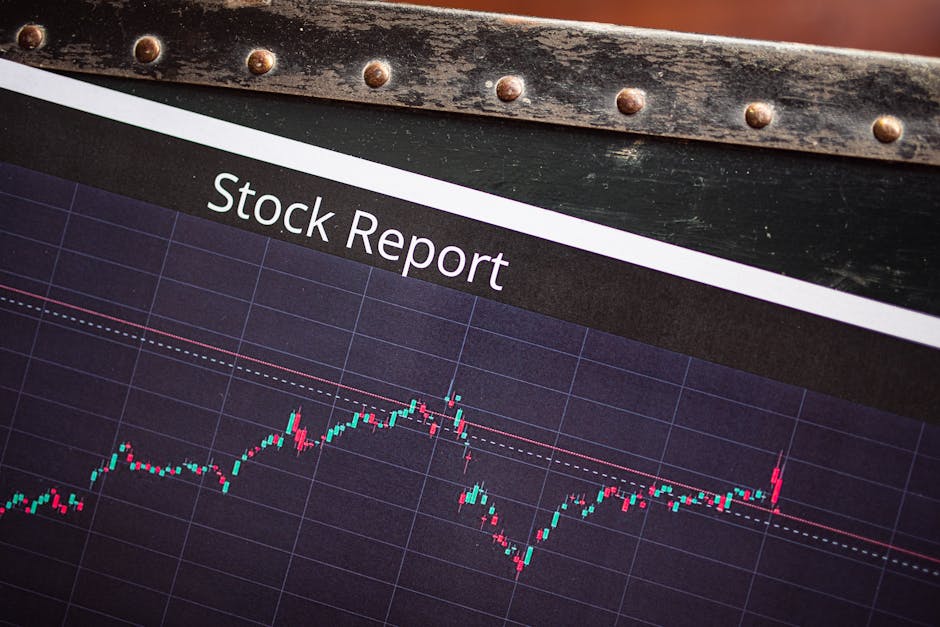
- Oil price volatility has become a major driver of global stock market swings in 2024.
- Rising oil prices increase costs for transportation, manufacturing, and consumer goods, squeezing corporate profit margins.
- Falling oil prices can boost consumer spending and lower input costs, supporting market gains.
- Sharp swings in oil prices lead to uncertainty and risk-off behavior among investors.
- Oil price volatility is a strong indicator of macroeconomic instability worldwide.
Why are global stock markets swinging so wildly in 2024? The answer may lie not in corporate earnings or central bank policy alone, but beneath the surface — in the turbulent world of oil prices. As crude oil swings between $70 and $95 per barrel within months, equity markets from New York to Shanghai are reacting with equal volatility. Investors are left wondering: is energy the new market bellwether? With conflicts in the Middle East, shifting output from OPEC+, and fluctuating demand from China, oil is no longer just a commodity — it’s a leading indicator of macroeconomic instability. The interplay between energy costs and financial markets has never been more visible — or more concerning.
How Oil Prices Influence Global Stock Markets

The direct link between oil prices and stock market performance lies in energy’s role as a foundational cost for nearly every sector of the economy. When crude prices rise, transportation, manufacturing, and consumer goods become more expensive, squeezing corporate profit margins and reducing disposable income. This, in turn, pressures equities, especially in cyclical sectors like airlines, retail, and industrials. Conversely, falling oil prices can boost consumer spending and lower input costs, supporting market gains. However, sharp swings — rather than gradual changes — create uncertainty, leading to risk-off behavior among investors. According to the International Energy Agency (IEA), oil price volatility in 2024 has reached its highest level since 2020, driven by supply disruptions and speculative trading. This instability ripples through financial markets, amplifying stock movements worldwide.
Geopolitical Tensions and Supply Disruptions Fuel Volatility

Recent oil price swings have been driven by a confluence of geopolitical and supply-side shocks. Conflict in the Red Sea has disrupted shipping lanes, increasing insurance and transport costs for crude. Meanwhile, sanctions on Iranian and Russian oil exports have tightened global supply. On the demand side, China’s uneven economic recovery has led to inconsistent import patterns, further destabilizing prices. In February 2024, a surprise production cut by Saudi Arabia sent Brent crude above $90, triggering a sell-off in tech and growth stocks on fears of inflationary pressure. As reported by AP News, market analysts now treat oil price movements as a proxy for geopolitical risk. The U.S. Energy Information Administration (EIA) notes that oil price changes exceeding 10% within a quarter correlate with a 65% higher chance of equity market corrections in major indices like the S&P 500.
Skepticism: Is Oil Still the Market’s Leading Indicator?

Despite the apparent correlation, some economists argue that oil’s influence on stock markets is overstated in the modern economy. The U.S., once heavily dependent on oil, now produces more energy than it consumes and has diversified into renewables, reducing vulnerability to price spikes. Financial analysts at the Brookings Institution suggest that central bank policy and interest rates now play a more dominant role in market direction. Additionally, the decoupling of oil prices from inflation in recent years — due to improved energy efficiency and electric vehicle adoption — weakens the traditional cause-effect relationship. Some also point out that during the 2023 oil rally, stocks in Europe and Asia declined while U.S. equities held steady, indicating regional divergence. These counter-perspectives suggest that while oil remains important, it is one of many interlocking variables shaping market outcomes.
Real-World Impact on Consumers and Businesses

The ripple effects of oil volatility are already visible in everyday life. In 2024, U.S. gasoline prices surged past $4 per gallon in several states, reducing consumer confidence and dampening retail sales. Airlines have reintroduced fuel surcharges, and freight companies have raised shipping rates, contributing to persistent inflation in goods. For emerging markets, the impact is even more severe: countries like Egypt and Pakistan, which rely on energy imports, face widening trade deficits and currency depreciation. In financial markets, hedge funds have increased positions in energy-linked derivatives, while pension funds are adjusting allocations to protect against inflation. The Swiss National Bank recently cited oil price uncertainty as a key factor in its decision to pause interest rate cuts, showing how deeply energy markets influence macroeconomic policy.
What This Means For You
For individual investors, the oil-stock connection underscores the importance of diversification and risk awareness. Rising energy prices may signal inflationary pressure, which typically hurts bonds and long-duration equities. Consider tilting portfolios toward energy producers, inflation-protected securities, or sectors less sensitive to fuel costs. For consumers, higher oil prices mean higher transportation and heating bills, so budgeting for energy expenses is prudent. Businesses should hedge fuel costs where possible and monitor supply chain exposures. While oil is not the sole driver of market behavior, its volatility is a warning sign worth heeding.
But how long will oil retain its outsized influence on financial markets? As the global economy shifts toward electrification and renewable energy, will geopolitical oil shocks lose their power to disrupt equities? And could a new commodity — like lithium or rare earth metals — eventually replace crude as the market’s pulse? The transition is underway, but for now, every swing in the oil market sends a tremor through the world’s stock exchanges.
Source: Reddit