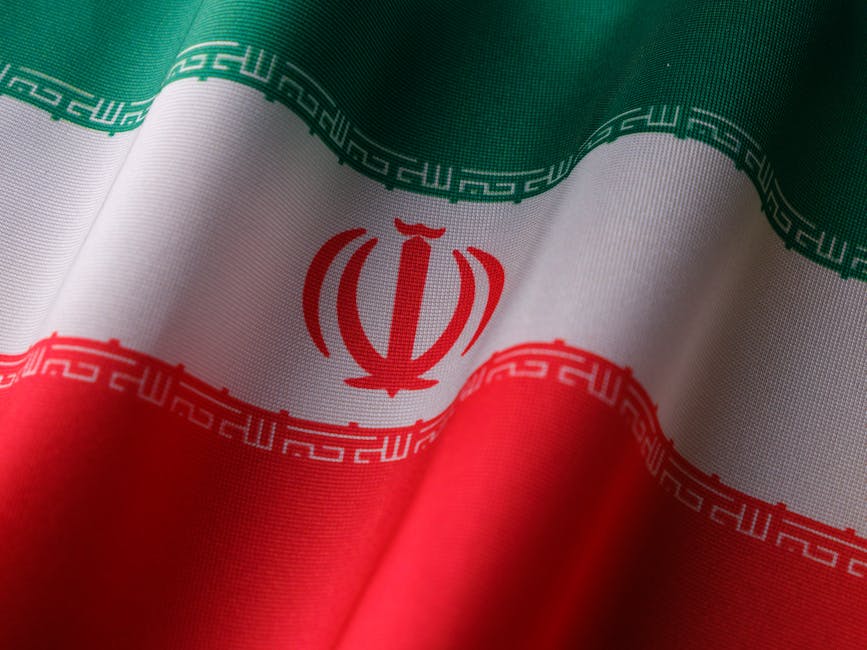
- Oil prices plummeted 4% after President Trump announced a delay in military action against Iran.
- Regional allies, including Saudi Arabia and the UAE, urged Trump to reconsider the strike.
- The decision to delay followed weeks of tensions over Iran’s downing of a US surveillance drone.
- The abrupt de-escalation has restored market confidence and erased weeks of gains driven by tensions.
- Oil traders rapidly unwound risk premiums priced into crude futures after the threat receded.
Oil prices plunged nearly 4% in early trading after U.S. President Donald Trump announced he would delay a planned military strike on Iran, a move that instantly defused one of the most volatile geopolitical flashpoints in the Middle East in years. The decision, made at the urging of key regional allies including Saudi Arabia and the United Arab Emirates, sent Brent crude tumbling from over $69 to below $66 per barrel, erasing weeks of tension-driven gains. Markets had been on edge since the downing of a U.S. surveillance drone by Iranian forces, triggering fears of a military escalation that could disrupt up to 20% of the world’s seaborne oil supply passing through the Strait of Hormuz. With the immediate threat receding, traders rapidly unwound risk premiums priced into crude futures.
Geopolitical Calm Restores Market Confidence

The abrupt de-escalation comes at a critical juncture for global energy markets, where supply stability has been increasingly vulnerable to regional conflicts and shifting U.S. foreign policy. For weeks, oil prices had climbed amid heightened U.S.-Iran tensions, accelerated by attacks on oil tankers in the Gulf and Iran’s breaches of nuclear deal limits. The prospect of direct military confrontation raised alarms among energy analysts and central banks alike, with the International Energy Agency warning of potential supply shocks capable of destabilizing fragile global growth. By stepping back from military action, President Trump not only prevented a humanitarian and strategic crisis but also signaled a preference for diplomatic channels over force—a shift that reassured investors already grappling with slowing economic indicators across Europe and Asia.
Behind the Decision to Delay the Strike

According to senior administration officials, the decision to postpone the strike was made after urgent consultations with regional partners who feared a broader regional war could cripple oil infrastructure and trigger retaliatory attacks on key export terminals. The United Arab Emirates, a major oil exporter and U.S. ally, privately conveyed concerns that even limited hostilities could disrupt shipping lanes and invite proxy attacks on Gulf energy facilities. Israel, traditionally hawkish on Iran, also urged caution, emphasizing intelligence-sharing over kinetic action. The postponement followed a National Security Council meeting in which military leaders outlined potential targets—reportedly including radar and missile sites—but acknowledged the risk of Iranian retaliation against U.S. forces in Iraq or Saudi oil installations. By opting for restraint, Trump avoided a scenario that could have forced OPEC+ to reconsider production quotas amid global oversupply concerns.
Market Reaction and Energy Sector Implications

Financial markets reacted swiftly, with energy stocks shedding gains and oil futures reversing course within hours of the announcement. The S&P 500 Energy Index declined 1.8%, while tanker rates on key Middle East routes eased, reflecting diminished war risk premiums. Analysts at Goldman Sachs noted that the $3–$4 per barrel geopolitical premium embedded in crude prices had largely evaporated, aligning oil valuations more closely with fundamentals like global demand and inventory levels. This shift underscores how heavily sentiment influences short-term energy pricing, particularly in regions with strategic chokepoints. With U.S. shale output near record highs and OPEC+ committed to supply discipline, the absence of a military flare-up reduces the likelihood of emergency production hikes or strategic reserve releases—a relief for inflation-watchers and emerging economies heavily dependent on oil imports.
Long-Term Stability Remains Fragile

Despite the immediate de-escalation, energy analysts warn that the underlying tensions between the U.S. and Iran remain unresolved. Iran continues to enrich uranium beyond limits set by the 2015 nuclear deal, while U.S. sanctions have slashed its oil exports by more than 80%, pushing Tehran toward greater regional assertiveness. Should diplomatic efforts fail, the risk of renewed hostilities—and associated market volatility—persists. Moreover, non-state actors or proxy forces could still target energy infrastructure, as seen in past attacks on Saudi Aramco facilities. For global consumers, this means oil prices may remain prone to sudden swings driven by headlines rather than fundamentals. As Reuters highlighted, even the perception of conflict can tighten markets, making geopolitical risk a permanent feature of the energy landscape.
Expert Perspectives
“This was a classic case of markets pricing in war and then rapidly discounting it when peace prevails,” said Dr. Emily Carter, energy economist at the Brookings Institution. “But the structural vulnerabilities in the Gulf haven’t disappeared.” In contrast, some hawkish analysts argue that restraint may embolden Iran, potentially leading to more aggressive actions down the line. “Delaying a strike signals hesitation,” warned Michael O’Hanlon of the American Enterprise Institute. “It may prevent war today, but it doesn’t deter future provocations.”
Looking ahead, investors will monitor diplomatic backchannels, Iranian nuclear activities, and U.S. military posture in the Gulf. The next flashpoint could emerge from cyberattacks on energy systems or new tanker incidents. As long as the U.S. and Iran remain at odds, oil markets will likely continue to trade on the edge of volatility, where a single incident—or tweet—could reignite fears of supply disruption. For now, calm prevails, but the underlying storm remains brewing beneath the surface.
Source: CNBC