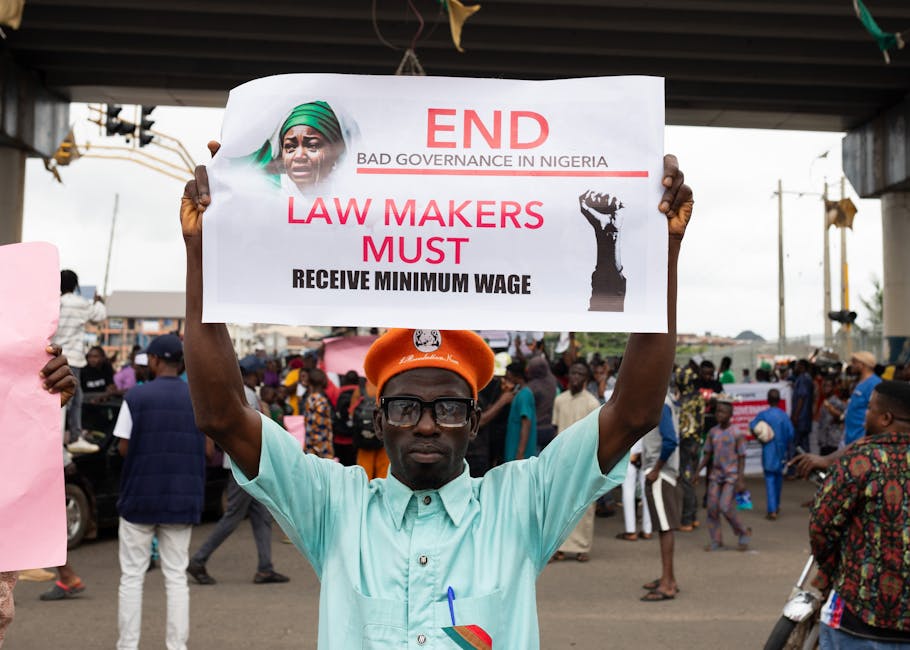
- Tying lawmakers’ pay to minimum wage aims to bridge the pay gap between them and ordinary Americans.
- Similar initiatives in the UK and US cities have reduced income inequality and promoted wealth equality.
- Cities with higher minimum wages tend to have lower poverty rates and improved economic outcomes for low-income households.
- A proposal to tie lawmakers’ salaries to minimum wages has been gaining traction in the US.
- The debate on this proposal highlights the need for lawmakers to be in touch with everyday struggles of their constituents.
Executive summary — the idea of tying US House and Senate salaries to minimum wages has been gaining traction in recent years, with many arguing that it would help to ensure that lawmakers are more in touch with the everyday struggles of their constituents. Proponents of the proposal argue that it would help to reduce the pay gap between lawmakers and ordinary Americans, and would also provide a more accurate reflection of the economic reality faced by many citizens. As the debate continues to unfold, it is essential to examine the potential implications of such a move and consider the various arguments for and against it.
Evidence from Similar Initiatives

There are several examples of countries and cities that have implemented similar initiatives, with varying degrees of success. For instance, in the UK, lawmakers’ salaries are adjusted annually based on changes to average earnings, while in some cities in the US, such as San Francisco, the minimum wage is indexed to the cost of living. According to data from the Reuters, these initiatives have helped to reduce income inequality and promote a more equitable distribution of wealth. Furthermore, a study by the New York University found that cities with higher minimum wages tend to have lower poverty rates and improved economic outcomes for low-income households.
Key Players and Their Roles

The key players in this debate include lawmakers, labor unions, and advocacy groups, each with their own set of interests and motivations. Lawmakers such as Senator Bernie Sanders and Representative Alexandria Ocasio-Cortez have been vocal supporters of the proposal, arguing that it would help to address income inequality and promote economic justice. Labor unions, such as the AFL-CIO, have also thrown their weight behind the proposal, citing the need for lawmakers to be more accountable to their constituents. On the other hand, some lawmakers and business groups have expressed concerns that tying salaries to minimum wages could lead to unintended consequences, such as reduced competitiveness and lower economic growth.
Trade-Offs and Potential Consequences

One of the primary concerns surrounding the proposal is the potential impact on the quality of candidates who run for public office. If salaries are tied to minimum wages, some argue that it could lead to a brain drain, as highly qualified individuals may be deterred from seeking public office due to the lower pay. On the other hand, proponents argue that it could lead to a more diverse and representative pool of candidates, as individuals from lower-income backgrounds may be more likely to run for office. Additionally, there are concerns about the potential impact on the economy, with some arguing that it could lead to reduced consumer spending and lower economic growth, while others argue that it could help to stimulate economic activity and reduce poverty.
Timing and Recent Developments

The proposal to tie US House and Senate salaries to minimum wages has gained momentum in recent years, driven in part by growing concerns about income inequality and the perceived disconnect between lawmakers and their constituents. The COVID-19 pandemic has further highlighted the need for lawmakers to be more in touch with the everyday struggles of their constituents, and the proposal has gained widespread support on social media platforms such as Reddit’s r/Economics. As the debate continues to unfold, it is essential to consider the potential implications of such a move and weigh the various arguments for and against it.
Where We Go From Here
Looking ahead to the next 6-12 months, there are several possible scenarios that could unfold. One scenario is that the proposal gains enough momentum to be passed into law, leading to a significant reduction in the pay gap between lawmakers and ordinary Americans. Another scenario is that the proposal is met with resistance from lawmakers and business groups, leading to a watered-down version or no change at all. A third scenario is that the proposal sparks a wider debate about income inequality and economic justice, leading to a range of policy initiatives and reforms aimed at promoting greater economic equality. Ultimately, the outcome will depend on a range of factors, including the level of public support, the effectiveness of advocacy efforts, and the willingness of lawmakers to take action.
Bottom line — tying US House and Senate salaries to minimum wages is a proposal that deserves serious consideration, as it has the potential to help reduce income inequality and promote a more equitable distribution of wealth. While there are valid concerns about the potential impact on the quality of candidates and the economy, these can be mitigated through careful planning and implementation. As the debate continues to unfold, it is essential to approach the issue with an open mind and a commitment to finding solutions that promote greater economic justice and equality for all.
Source: Senate