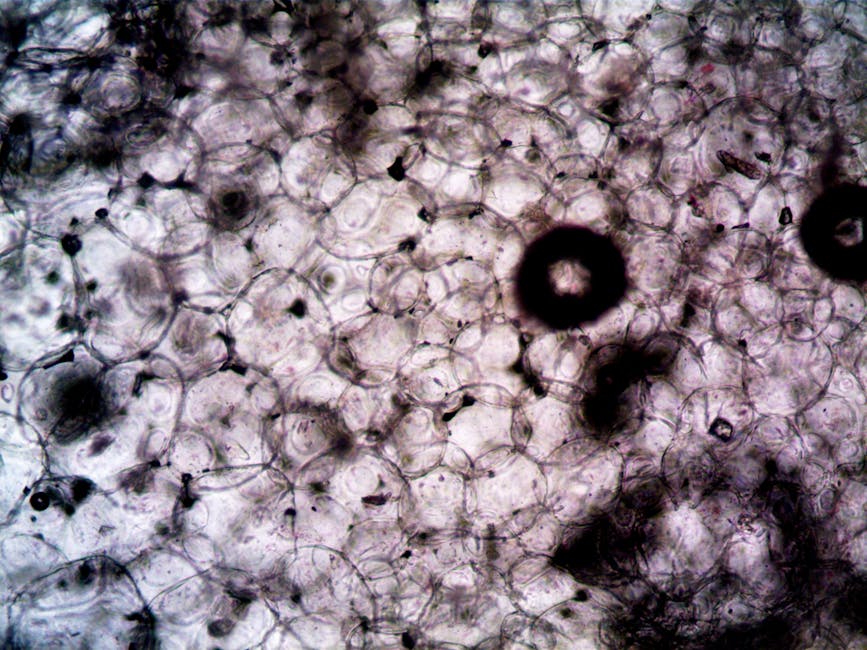
- Researchers discovered a deficiency in cardiolipin, a mitochondrial lipid, in patients with inflammatory bowel disease (IBD).
- Cardiolipin deficiency leads to unstable mitochondria, which leak reactive oxygen species and trigger inflammation through the NLRP3 pathway.
- The study suggests that the roots of IBD may lie within the cells themselves, rather than external invaders like rogue bacteria.
- Mitochondrial dysfunction compromises the gut barrier, allowing bacteria to infiltrate and provoke immune attacks.
- Cardiolipin is essential for mitochondrial function and energy production, highlighting its critical role in maintaining gut health.
In a dimly lit lab at the University of Helsinki, rows of intestinal organoids pulse faintly under fluorescent microscopes—miniature replicas of human gut tissue grown from stem cells. These tiny, swirling structures, no larger than a poppy seed, are revealing secrets about one of medicine’s most stubborn puzzles: why the gut turns against itself in inflammatory bowel disease (IBD). For decades, researchers have debated whether rogue bacteria or overactive immune cells ignite the chronic inflammation seen in Crohn’s disease and ulcerative colitis. But now, a team of molecular biologists has uncovered a more fundamental culprit lurking within the cells themselves: a deficiency in a key mitochondrial lipid called cardiolipin. This discovery, published in Nature, suggests that the roots of IBD may lie not in external invaders, but in the very powerhouses of our cells.
Defective Mitochondria Drive Gut Inflammation

Researchers found that intestinal epithelial cells in patients with IBD exhibit a marked deficiency in cardiolipin, a phospholipid essential for mitochondrial function and energy production. Without sufficient cardiolipin, mitochondria become unstable, leak reactive oxygen species, and trigger inflammation through the NLRP3 inflammasome pathway. This cascade ultimately compromises the gut barrier, allowing bacteria to infiltrate underlying tissues and provoke immune attacks. The study analyzed tissue samples from over 200 IBD patients and found cardiolipin levels were 40–60% lower than in healthy controls. Crucially, the defect was present even in early-stage disease, before significant microbial imbalance or immune activation, suggesting it may be a primary driver rather than a consequence. Mouse models engineered to lack cardiolipin in gut cells developed spontaneous colitis, confirming the lipid’s protective role.
From Microbes to Metabolism: A Paradigm Shift

For years, the dominant theory held that IBD stems from an abnormal immune response to gut microbiota. Treatments have focused on suppressing immunity or altering microbial composition with antibiotics and probiotics. Yet these approaches often fail to induce lasting remission, hinting at deeper mechanisms. The new findings build on emerging evidence that cellular metabolism—particularly mitochondrial health—plays a central role in maintaining gut homeostasis. Previous studies had linked mitochondrial dysfunction to aging and neurodegenerative diseases, but its role in gut inflammation remained speculative. The Helsinki team used lipidomics and single-cell RNA sequencing to map metabolic disruptions in intestinal cells, revealing that cardiolipin deficiency precedes microbial dysbiosis. This suggests that rather than being the cause, bacterial imbalances may be a downstream effect of failing epithelial cells.
The Scientists Behind the Discovery

The breakthrough came from the lab of Dr. Anu Suomalainen, a leading expert in mitochondrial diseases, and Dr. Emilia Kuismin, a gastroenterologist focused on IBD genetics. Their collaboration bridged two fields previously siloed: mitochondrial biology and inflammatory gut disorders. Motivated by clinical observations that some IBD patients had family histories of mitochondrial conditions, they hypothesized a shared mechanism. Supported by the Finnish Academy and the European Research Council, the team spent five years developing intestinal organoids from patient-derived stem cells and manipulating lipid pathways. Their persistence paid off when restoring cardiolipin levels in lab-grown tissues reduced inflammation markers by up to 70%. “We weren’t looking for microbes,” Dr. Suomalainen said. “We were following the metabolism—and it led us straight to the mitochondria.”
Implications for Diagnosis and Treatment

The discovery opens new avenues for early diagnosis and targeted therapy. A cardiolipin deficiency could serve as a biomarker for IBD risk, detectable before symptoms arise. More importantly, it suggests treatments that boost mitochondrial health—such as lipid precursors or antioxidants like MitoQ—could prevent or reverse disease progression. Current biologics target immune pathways, but they leave the underlying cellular defect unaddressed. “We’re treating the fire, not the spark,” said Dr. Kuismin. Clinical trials are now underway to test whether supplementing with linoleic acid, a building block of cardiolipin, can improve gut barrier function in IBD patients. If successful, this could shift treatment from lifelong immunosuppression to metabolic correction.
The Bigger Picture
This research reframes chronic inflammatory diseases not as battles against foreign invaders, but as failures of cellular resilience. It aligns with a growing understanding that metabolism governs immune responses, and that organ systems depend on the health of their individual cells. The gut, with its high energy demands and constant exposure to stress, may be especially vulnerable to mitochondrial decline. As aging populations face rising rates of IBD and other inflammatory conditions, the focus may increasingly turn to cellular maintenance. The study also highlights the power of interdisciplinary science—where insights from rare mitochondrial disorders illuminate common diseases.
What comes next is a reevaluation of how we define and treat gut inflammation. If mitochondrial dysfunction is a root cause, then future therapies may resemble metabolic support rather than immune suppression. The organoids in Helsinki continue to grow, now being used to screen drugs that enhance cardiolipin synthesis. The path from bench to bedside is long, but for millions living with IBD, the possibility of a cure rooted in cellular repair offers a new hope.
Source: MedicalXpress