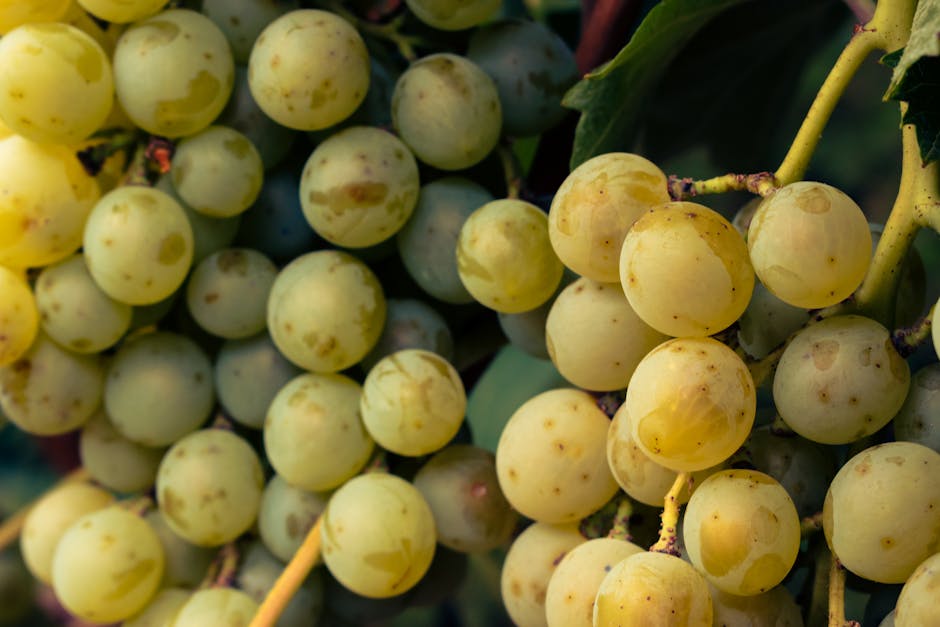
- Daily grape consumption for two weeks can reprogram skin genes, boosting natural defenses against UV radiation.
- Researchers observed up to a 40% reduction in oxidative stress markers in the skin after eating grapes daily.
- Genetic analysis revealed widespread activation of antioxidant defense and DNA repair pathways within skin tissue.
- The study highlights diet’s potential to influence genetic resilience and combat environmental carcinogens like sunlight.
- This research offers a simple, accessible approach to potentially reducing the risk of skin cancer alongside sunscreen use.
Just two weeks of eating grapes every day can reprogram human skin at the genetic level, significantly enhancing its natural defense against ultraviolet (UV) radiation. In a groundbreaking clinical trial, researchers found that regular grape consumption reduced markers of oxidative stress in the skin by up to 40%, even when exposed to simulated sunlight. These changes were not merely superficial—gene expression profiles in skin tissue showed widespread activation of pathways linked to antioxidant defense, DNA repair, and inflammation control. This suggests that a simple dietary addition could fundamentally alter how the body responds to one of the most pervasive environmental carcinogens: sunlight. The implications extend beyond skincare, pointing to diet’s underappreciated role in modulating genetic resilience.
The Genetic Shield Hidden in a Handful of Grapes

This discovery matters now more than ever, as rates of skin cancer continue to climb globally. According to the World Health Organization, between 2 to 3 million non-melanoma skin cancers and over 130,000 melanoma cases occur worldwide each year, largely driven by UV exposure. While sunscreen remains a cornerstone of protection, emerging science suggests that internal defenses are equally critical. The grape study, conducted by a team at the University of California, Davis, offers compelling evidence that nutrition can act as a form of biological armor. Unlike topical treatments, which sit on the skin’s surface, dietary polyphenols from grapes penetrate tissues and influence gene regulation. As public health strategies seek cost-effective, accessible prevention tools, this research highlights how everyday foods may offer scalable, sustainable protection.
From Vine to Vitals: The Study’s Design and Findings

The clinical trial involved 29 healthy adults who consumed approximately 2.25 cups of red, green, and black grapes daily for 14 days. Skin biopsies were taken before and after the intervention, then exposed to a controlled dose of UVB radiation in the lab. Results, published in the journal Nutrients, showed that post-intervention skin samples exhibited significantly reduced DNA damage and lower levels of reactive oxygen species—key drivers of photoaging and carcinogenesis. Crucially, RNA sequencing revealed that over 3,000 genes altered their expression patterns, with consistent upregulation in pathways responsible for cellular defense and detoxification. Although individual responses varied, the overall trend was clear: grapes acted as a genetic modulator, priming the skin to better withstand environmental assault. No changes were observed in the control group, which maintained their usual diet.
Why Grapes? The Science Behind the Superfruit

Grapes are rich in polyphenols—bioactive compounds including resveratrol, quercetin, and catechins—that have long been studied for their antioxidant and anti-inflammatory properties. What’s novel here is the demonstration that these compounds, when consumed in whole-fruit form, can reach the skin and influence gene expression in a clinically meaningful way. Unlike isolated supplements, which often fail to replicate the benefits of whole foods, whole grapes deliver a synergistic blend of nutrients and fiber that enhances bioavailability. The study’s lead author, Dr. Eunyoung Bae, noted that the observed changes align with the activation of the Nrf2 pathway—a master regulator of antioxidant response. This pathway triggers the production of protective enzymes like superoxide dismutase and glutathione peroxidase, which neutralize free radicals before they can damage cells. The result is a systemic upgrade in the skin’s ability to resist stress.
Real-World Impacts on Skin Health and Aging

The implications extend beyond sunburn prevention. Chronic UV exposure contributes to photoaging, immunosuppression, and the development of skin cancers, including basal cell carcinoma and melanoma. By bolstering the skin’s intrinsic defenses, regular grape consumption could delay visible aging and reduce long-term cancer risk—especially in fair-skinned individuals and those with high sun exposure. This approach also holds promise for populations with limited access to dermatological care or high-cost skincare products. Moreover, because the intervention involved whole fruit, it fits seamlessly into existing dietary guidelines promoting increased fruit intake. However, researchers caution that grapes are not a replacement for sunscreen but a complementary strategy—one that strengthens the body’s first line of defense from within.
Expert Perspectives
Dermatologists and nutritional scientists offer cautious optimism. Dr. Angela Marshall, a board-certified dermatologist and spokesperson for the American Academy of Dermatology, emphasized that “diet is increasingly recognized as a modifier of skin health, but it’s one piece of a larger puzzle.” Meanwhile, nutritional biochemist Dr. David Jenkins from the University of Toronto, who was not involved in the study, called the findings “mechanistically plausible but in need of longer-term trials.” Some experts note that while polyphenols are beneficial, their effects may plateau, and excessive fruit intake could pose concerns for individuals managing blood sugar. Still, the consensus is that incorporating grapes into a balanced diet is a low-risk, high-reward strategy for skin resilience.
Looking ahead, researchers are planning larger, longer trials to assess whether sustained grape consumption leads to measurable reductions in actual skin cancer incidence or visible aging over time. They’re also exploring whether other polyphenol-rich fruits—such as blueberries or pomegranates—trigger similar genetic responses. One open question is whether the variety or color of grapes affects outcomes, given differences in polyphenol profiles. For now, the message is clear: nature may have packed a powerful form of photoprotection into one of summer’s simplest pleasures—fresh, whole grapes.
Source: ScienceDaily