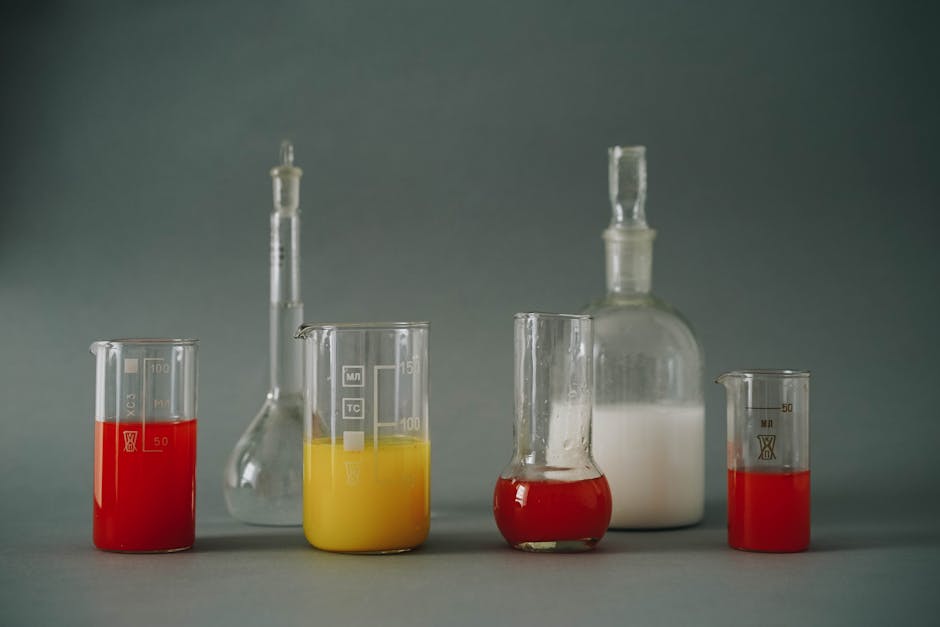
- Kimchi’s Lactobacillus plantarum KY1072 bacteria bind to microplastics and prevent their absorption.
- The bacteria show exceptional plastic-binding ability, retaining over 80% of their capacity under simulating human gut conditions.
- This strain outperforms other tested bacteria in binding to polystyrene nanoplastics.
- Kimchi-derived bacteria may offer a natural solution to the growing microplastic problem in human health.
- Research suggests that these bacteria can effectively prevent microplastic absorption and pave the way for natural expulsion.
In a Seoul laboratory bathed in the early morning light, rows of flasks bubble with a familiar scent—spicy, fermented cabbage. But this is no ordinary batch of kimchi. Inside these glass vessels, scientists are coaxing a remarkable behavior from a humble microbe: latching onto invisible plastic particles that, until now, have slipped through the body’s defenses unchecked. As global concern mounts over the infiltration of microplastics into human blood, organs, and even placentas, this unassuming bacterium—naturally present in one of Korea’s most iconic dishes—is emerging as an unexpected ally. In controlled environments mimicking the human gut, the kimchi-derived Lactobacillus plantarum strain KY1072 doesn’t just survive the harsh, churning acidity; it actively captures and binds to nanoplastics, effectively preventing their absorption and paving a path for their natural expulsion.
Laboratory Findings Reveal Strong Plastic-Binding Ability

In a study conducted by researchers at Seoul National University and published in the Journal of Hazardous Materials, the probiotic Lactobacillus plantarum KY1072 demonstrated an exceptional ability to adhere to polystyrene nanoplastics—tiny synthetic particles measuring just 100 nanometers in diameter. Under conditions simulating the human gastrointestinal tract, including low pH and digestive enzymes, the bacterium retained over 80% of its binding capacity, far outperforming other tested strains. In contrast, common gut microbes like Escherichia coli and Lactobacillus rhamnosus lost their grip quickly. The study revealed that surface proteins on the kimchi probiotic formed strong electrostatic and hydrophobic interactions with the plastic particles, essentially trapping them. When the bacteria eventually passed through the digestive system in models, they carried the microplastics with them, significantly reducing the amount available for intestinal absorption. These findings suggest a potential mechanism for mitigating one of the most insidious pollutants of modern life.
The Rise of Microplastics and the Search for Solutions

Microplastics—tiny fragments of degraded plastic less than 5 millimeters in size—have permeated every corner of the planet, from the deepest ocean trenches to Arctic ice. Humans now ingest an estimated 0.1 to 5 grams per week, according to a 2019 study by the World Wildlife Fund, primarily through water, food, and even inhaled air. Once inside the body, these particles can cross intestinal barriers, enter the bloodstream, and accumulate in organs such as the liver, kidneys, and brain. Animal studies have linked microplastic accumulation to inflammation, oxidative stress, and disrupted gut microbiota. With no natural biological mechanism known to break them down, scientists have been urgently searching for ways to limit their impact. Previous efforts have explored dietary fibers and clay-based adsorbents, but the discovery of a food-grade microbe that naturally binds plastics represents a novel and potentially scalable approach. The fact that this solution originates from a widely consumed fermented food adds to its appeal and safety profile.
The Scientists Behind the Discovery

The research team, led by Dr. Seong-Jun Chun at the Department of Food Science and Biotechnology, was initially investigating the health benefits of traditional Korean fermented foods. Their focus was on probiotics with enhanced gut adhesion properties, a trait valuable for improving digestive health. During routine screening, one isolate from homemade kimchi stood out—not for its effect on human cells, but for its unexpected interaction with synthetic particles. “We were stunned,” Dr. Chun said in an interview with Reuters. “The bacterium wasn’t just surviving; it was actively capturing plastic.” The team’s interdisciplinary approach—merging food microbiology, environmental toxicology, and materials science—allowed them to rigorously test the mechanism. Their motivation extends beyond national pride in kimchi; they see this as a globally relevant tool in the fight against plastic pollution, particularly in vulnerable populations with high exposure levels.
Implications for Public Health and Food Innovation

If future clinical trials confirm the effect in humans, this probiotic could be developed into functional foods or supplements aimed at reducing microplastic retention. Unlike pharmaceutical interventions, a food-based solution would be accessible, low-cost, and culturally adaptable. Populations with high kimchi consumption, such as in South Korea, may already be experiencing some protective effect, though epidemiological data has yet to confirm this. Regulatory agencies like the World Health Organization have called for more research into microplastic health impacts, and this discovery offers a tangible pathway forward. However, experts caution against viewing it as a cure-all. “This is not a license to pollute,” said Dr. Jane Muncke, managing director of the Food Packaging Forum. “Reducing plastic at the source remains the priority. But if we can also develop biological countermeasures, that’s a powerful dual strategy.”
The Bigger Picture
This discovery underscores a growing trend: turning to traditional foods and ancient fermentation practices for modern health solutions. As industrial pollution outpaces regulation, nature-derived microbes may offer resilient, low-tech defenses. The kimchi probiotic doesn’t degrade plastic—but by preventing its uptake, it disrupts the cycle of bioaccumulation. In a world increasingly shaped by synthetic materials, a 2,000-year-old recipe might hold part of the answer.
What comes next is a critical phase of validation. The research team is now partnering with clinical microbiologists to test the strain in human trials, measuring microplastic levels in stool and blood before and after probiotic supplementation. If results hold, we may see a new class of ‘bio-trapping’ probiotics enter the market—not as miracle cures, but as modest, edible shields in an invisible war against pollution.
Source: ScienceDaily