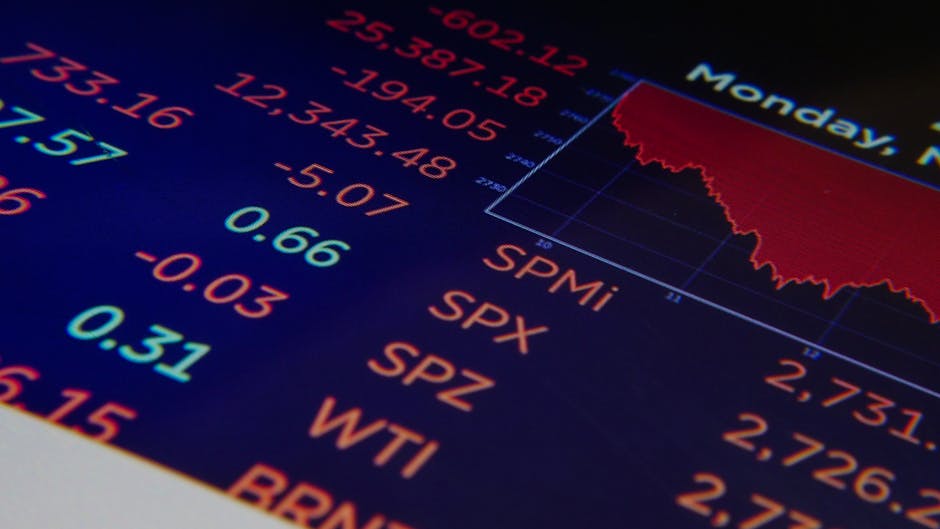
- Asia-Pacific markets surged 2% as lower oil prices boosted investor confidence following President Trump’s Iran strike postponement.
- The Nikkei 225 index rose 1.5% and the Shanghai Composite Index surged 2.1%, indicating significant market activity.
- Brent crude oil prices fell 2.5% to $64.85 per barrel, contributing to a decline in geopolitical tensions.
- Investors are closely watching regional developments, anticipating potential implications on the global economy.
- Market optimism is driven by a decrease in oil prices and reduced geopolitical tensions.
Executive summary: The Asia-Pacific markets have opened broadly higher on Tuesday, driven by lower oil prices after President Donald Trump announced the postponement of a scheduled attack on Iran. This decision has led to a decrease in geopolitical tensions, resulting in a surge in market confidence. As a result, investors are now closely watching the developments in the region, anticipating potential implications on the global economy.
Evidence of Market Optimism

Hard data and numbers indicate a significant increase in market activity, with the Nikkei 225 index rising by 1.5% and the Shanghai Composite Index surging by 2.1%. According to Reuters, the postponement of the Iran strike has led to a decline in oil prices, with Brent crude falling by 2.5% to $64.85 per barrel. This decrease in oil prices has boosted market sentiment, with investors becoming more optimistic about the prospects of a peaceful resolution to the conflict.
Key Players and Their Roles

The key actors in this scenario include President Donald Trump, the Iranian government, and major oil-producing countries such as Saudi Arabia. Recent moves by these players have significant implications for the global economy, with Trump’s decision to delay the Iran strike being a major factor in the current market rally. The Iranian government has also been actively engaging in diplomatic efforts, seeking to resolve the conflict through peaceful means. Meanwhile, Saudi Arabia has been closely monitoring the situation, adjusting its oil production levels in response to changes in global demand.
Trade-Offs and Risks

The current situation involves significant trade-offs and risks, with the potential for heightened geopolitical tensions and volatility in oil prices. On the one hand, a peaceful resolution to the conflict could lead to increased market confidence and economic growth. On the other hand, an escalation of the conflict could result in higher oil prices, decreased market sentiment, and reduced economic activity. Investors must carefully weigh these risks and opportunities, adjusting their portfolios accordingly to minimize potential losses and maximize gains.
Timing and Market Implications

The timing of Trump’s decision to delay the Iran strike is crucial, as it has significant implications for the global economy. According to BBC News, the current market rally is driven by reduced geopolitical tensions and lower oil prices. However, this situation is highly fluid, and any changes in the conflict could lead to a rapid reversal of market sentiment. As such, investors must remain vigilant, closely monitoring developments in the region and adjusting their strategies accordingly.
Where We Go From Here
Looking ahead to the next 6-12 months, there are three possible scenarios for the Asia-Pacific markets. Firstly, a peaceful resolution to the conflict could lead to sustained market growth and increased economic activity. Secondly, an escalation of the conflict could result in higher oil prices, decreased market sentiment, and reduced economic growth. Lastly, a prolonged period of uncertainty could lead to increased market volatility, with investors becoming increasingly risk-averse. Ultimately, the outcome will depend on the actions of key players and the evolution of the conflict.
Bottom line: The current market rally in Asia is driven by lower oil prices and reduced geopolitical tensions, but investors must remain cautious and closely monitor developments in the region to navigate the potential risks and opportunities that lie ahead.
Source: CNBC