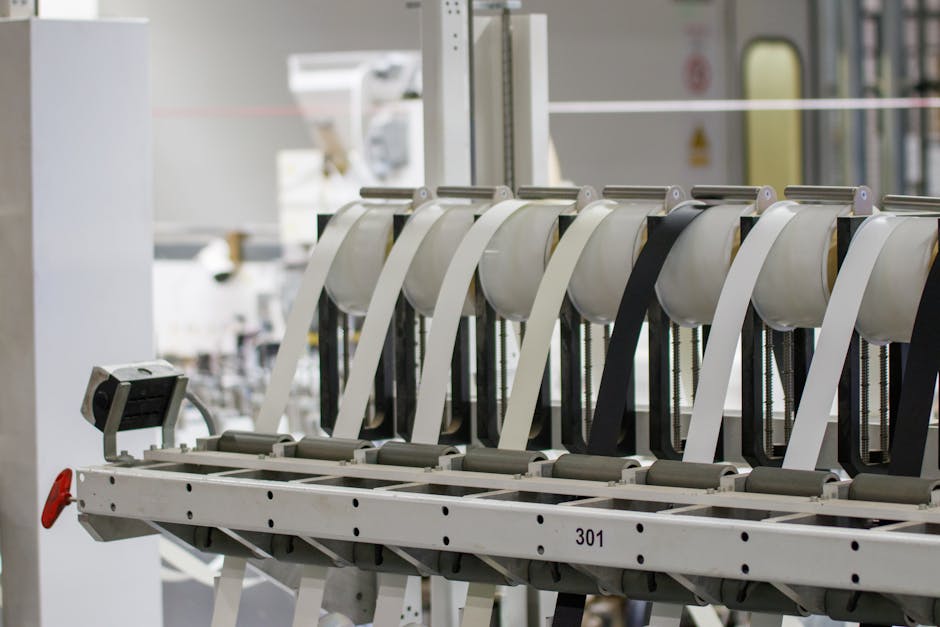
- Global semiconductor stocks have surged over 40% in the past year due to AI infrastructure demand, but costs for chip materials like neon gas are increasing.
- 30% jump in neon gas prices since 2024 threatens AI supply chains, particularly those reliant on Ukrainian imports.
- AI-related capital investment has reached record levels, with NVIDIA’s market cap exceeding $2 trillion.
- The AI boom has driven record revenues for chipmakers like NVIDIA, AMD, and Intel through data center expansion.
- The physical supply chain for AI infrastructure is heavily reliant on complex, globally dispersed semiconductor networks.
Global semiconductor stocks have surged more than 40% over the past year, fueled by explosive demand for artificial intelligence infrastructure, yet a quiet crisis is unfolding beneath the surface. Rare materials essential for advanced chip manufacturing—including neon gas, palladium, and specialized resins—are seeing prices spike, with neon gas alone up nearly 30% since the start of 2024. Much of this supply originates from regions now threatened by geopolitical instability, particularly as U.S.-Iran tensions escalate. With over 50% of the world’s semiconductor-grade neon historically sourced from Ukraine and imports routed through volatile Black Sea corridors, even minor disruptions can ripple through fabs in Taiwan, South Korea, and Arizona. As AI continues to drive record capital investment—NVIDIA’s market cap recently crossed $2 trillion—investors may be underestimating how tightly the AI revolution is bound to fragile global supply chains.
The AI Gold Rush Meets Physical Limits

The current AI boom has created unprecedented demand for high-performance computing chips, with companies like NVIDIA, AMD, and Intel reporting record quarterly revenues driven by data center expansion. Cloud providers and AI startups are placing multi-billion-dollar orders for GPUs, pushing foundries like TSMC and Samsung to operate at full capacity. However, the physical foundation of this digital transformation—semiconductors—relies on a complex, globally dispersed supply chain vulnerable to shocks. While software innovation races forward, the hardware side faces bottlenecks in sourcing materials refined in politically sensitive regions. For example, palladium, used in chip packaging and sensors, is largely mined in Russia, while Iran’s proximity to major shipping lanes in the Strait of Hormuz raises concerns about the transport of precursor chemicals. These dependencies create a paradox: the most advanced technologies of the 21st century are constrained by 20th-century geopolitical risks.
Supply Chains Under Siege

Major semiconductor manufacturers are now actively diversifying their supply sources to mitigate risk. Intel has accelerated partnerships with U.S.-based gas suppliers, while TSMC has increased stockpiles of critical materials at its Arizona facility. The Biden administration’s CHIPS and Science Act has provided $52 billion in incentives to onshore chip production, but reshoring material supply remains a challenge. According to a recent report by the Semiconductor Industry Association, over 70% of photoresists—light-sensitive materials used in lithography—are still imported from Japan and South Korea, and these depend on raw chemicals from the Middle East. In early March 2024, a series of drone attacks on oil facilities in Iran led to temporary shipping delays in the Persian Gulf, prompting immediate price hikes in commodity markets. While no major chipmaker has reported production halts yet, executives at companies like Micron and ASML have warned investors of potential delays if volatility persists.
Costs, Capacity, and the Margin Squeeze

Escalating material costs are beginning to erode profit margins, even as revenue soars. For instance, a single extreme ultraviolet (EUV) lithography machine from ASML can require hundreds of liters of ultra-pure neon gas during calibration and operation. With neon prices rising and alternative sources still in development, some firms are exploring recycling programs or gas-substitution technologies. Analysts at Reuters estimate that material cost inflation could reduce semiconductor operating margins by 2–3 percentage points in 2024. This pressure comes at a time when companies are already spending heavily on R&D and new fabrication plants. Moreover, the lag between investment and output—often three to five years—means that today’s supply constraints could limit AI progress well into the next decade. The industry’s ability to scale AI hardware may ultimately depend less on engineering breakthroughs and more on securing stable access to raw elements.
Who Bears the Brunt?

The ripple effects of supply chain stress extend beyond chipmakers. Automakers, medical device manufacturers, and defense contractors—all reliant on advanced semiconductors—face potential delays and cost increases. Smaller AI startups, lacking the purchasing power of tech giants, may struggle to secure chip allocations altogether. In emerging markets, where digital infrastructure is being built from scratch, AI adoption could slow significantly. Governments are also on high alert: the U.S. Department of Defense has classified several semiconductor materials as critical to national security, and the European Union is drafting legislation to create strategic reserves. Even cloud providers like Amazon Web Services and Microsoft Azure, which dominate AI infrastructure, are now engaging directly with material suppliers to ensure continuity. The irony is stark: the very technologies promising to solve global challenges are themselves vulnerable to age-old issues of resource scarcity and geopolitical friction.
Expert Perspectives
Opinions diverge on how severe the threat truly is. Some analysts, like Sophie Krawczyk at BloombergNEF, argue that market mechanisms and innovation will overcome shortages: “We’ve seen this before with rare earths—prices rise, recycling improves, alternatives emerge.” Others, such as Dr. Chen Zhao of the Massachusetts Institute of Technology’s Materials Systems Lab, warn of complacency: “We’re building the foundation of the digital economy on supply chains that can be severed by a single missile strike.” The U.S. government’s recent push for domestic material production is seen as a step forward, but experts agree it will take years to achieve true resilience.
Looking ahead, investors and policymakers must reconcile the euphoria of AI progress with the realities of industrial fragility. Will nations prioritize semiconductor supply security as they do energy or food? Can breakthroughs in material science reduce dependency on conflict-prone regions? And how will companies balance short-term profits with long-term supply chain resilience? As the world races to deploy AI at scale, one thing is clear: the next phase of technological advancement will be shaped not just in labs, but in mines, shipping lanes, and diplomatic negotiations.
Source: CNBC