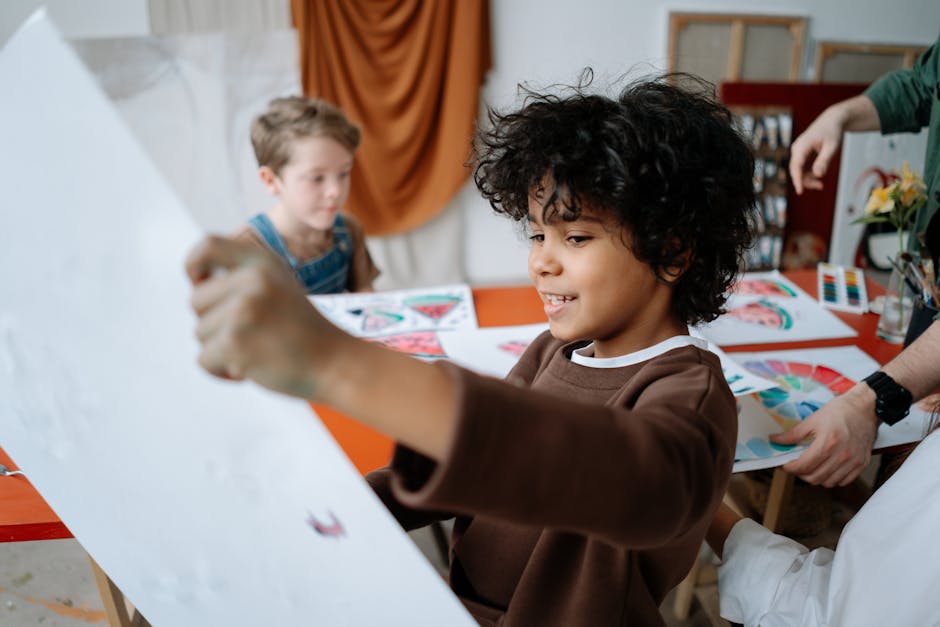
- Arts engagement is emerging as a vital therapeutic force bridging generations and promoting mental wellness.
- Regular participation in arts activities correlates with lower rates of depression, reduced anxiety, and improved cognitive function across age groups.
- Children who engage in structured arts programs report feeling more connected to their peers and teachers.
- Older adults in creative aging initiatives show delayed onset of dementia symptoms and enhanced mobility.
- The arts are being reimagined as essential infrastructure for mental wellness in communities worldwide.
On a drizzly Tuesday morning in a north London community center, a circle of 7-year-olds clap rhythmically as a cellist plays a low, vibrating note. Across the room, a woman in her 80s traces watercolor strokes across paper, her hand steady despite tremors that make eating difficult. This quiet scene pulses with something more than artistic expression — it radiates connection, presence, and relief. In an era defined by rising anxiety, loneliness, and a strained public health system, creative engagement is emerging not as a luxury, but as a vital therapeutic force bridging generations. From school music programs to painting workshops for dementia patients, the arts are being reimagined as essential infrastructure for mental wellness — and the evidence is growing too compelling to ignore.
The Arts as Public Health Strategy

Recent studies, including a 2025 longitudinal analysis by University College London and the World Health Organization (WHO), have found that regular participation in arts activities — from singing in choirs to attending theater performances — correlates with lower rates of depression, reduced anxiety, and improved cognitive function across age groups. Children who engage in structured arts programs report feeling more connected to their peers and teachers, while older adults in creative aging initiatives show delayed onset of dementia symptoms and enhanced mobility. The Guardian’s May 2026 editorial highlighted findings that community-based art interventions can reduce GP visits by up to 28% over two years. These benefits are not incidental; they reflect how creative expression activates neural pathways tied to emotion regulation, memory, and social bonding. As public health systems buckle under the weight of mental health demand, the arts are being repositioned from cultural frills to frontline interventions.
How We Got Here: From Marginalized to Mainstream

For decades, arts funding in the UK and US was treated as discretionary, often first to be cut during austerity measures. School music and drama programs shrank, and community art centers closed. Yet, quietly, researchers began accumulating data. A landmark 2019 WHO report, “What is the evidence on the role of the arts in improving health and well-being?”, reviewed over 900 studies, concluding that artistic engagement significantly improves quality of life, particularly for vulnerable populations. The pandemic accelerated recognition: isolated seniors joined virtual choir projects, and children in lockdown turned to drawing and music as emotional outlets. Pilot programs like Britain’s “Creative Health Pathways” began prescribing art classes instead of antidepressants. What was once seen as anecdotal — the grandmother who found her voice again through poetry — is now backed by brain scans and public health metrics, forcing policymakers to reconsider the role of culture in care.
The Advocates Behind the Movement

Paula Briggs, co-founder of the nonprofit Create Central, has spent over a decade advocating for children’s access to the arts in underfunded schools. She argues that creative experiences help young people feel “connected, empowered, and engaged” — qualities that buffer against anxiety and disaffection. “When a child paints a mural or writes a song, they’re not just making art — they’re asserting agency in a world that often silences them,” she says. Similarly, Nicky Goulder, founder of Magic Me, champions intergenerational arts programs that pair youth with older adults in creative projects. She calls for “radically more equal access” to creative opportunities across socioeconomic lines. Both emphasize that the benefits are not just individual but communal — when people create together, social cohesion strengthens. Their work, once operating on the margins, now informs NHS wellbeing strategies and Department for Education policy trials.
Consequences of Inequity and Inaction

Despite mounting evidence, access remains deeply unequal. Children in affluent areas are three times more likely to attend regular arts classes than those in deprived communities, according to a 2024 Sutton Trust study. Rural seniors often lack transportation to cultural centers, and digital divides exclude many from online programs. This disparity risks deepening existing health inequalities — those who need creative interventions most are least likely to receive them. Furthermore, undervaluing the arts in health planning perpetuates a narrow, medication-centric model of care that overlooks holistic well-being. Without systemic investment, pilot programs remain isolated bright spots rather than scalable solutions. The cost of inaction, both human and economic, could be measured in rising mental health crises and overburdened clinics.
The Bigger Picture
The integration of arts into public health reflects a broader shift — a growing recognition that well-being cannot be reduced to diet, exercise, and pharmaceuticals. It is shaped by meaning, expression, and connection. As climate anxiety, political instability, and digital alienation erode mental resilience, society must expand its toolkit. The arts offer a low-cost, high-impact way to build emotional stamina across the lifespan. They remind us that healing is not only clinical but cultural. In embracing creativity as care, we affirm a fundamental truth: to be human is not just to survive, but to express, imagine, and belong.
What comes next may be a renaissance of creative public health — one where prescriptions include pottery classes, schools prioritize imagination alongside literacy, and communities measure health not just by absence of illness, but by presence of joy. The data is clear, the need urgent. Now, only political will stands in the way.
Source: The Guardian