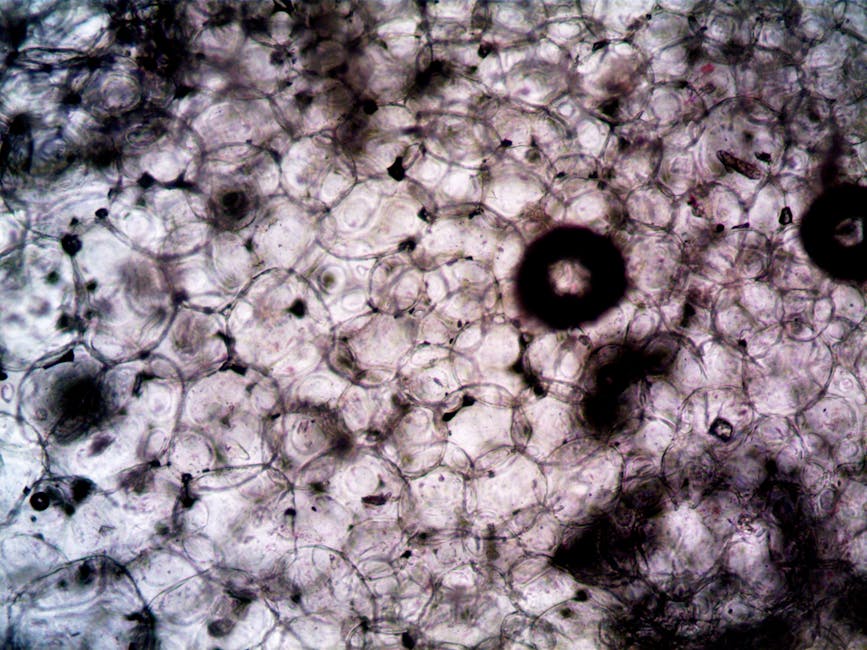
- A study published in Nature Metabolism reveals that vitamin B2 (riboflavin) may help cancer cells evade death.
- Cancer cells exploit vitamin B2 to maintain defense mechanisms against ferroptosis, a process that eliminates abnormal cells.
- Vitamin B2 is essential for the function of flavoproteins that neutralize lipid peroxides, which dismantle cell membranes during ferroptosis.
- Research suggests that riboflavin may play a darker role in the war against cancer, shielding malignant cells from destruction.
- The discovery challenges decades of nutritional wisdom and highlights the complex relationship between vitamin B2 and cancer cells.
In a dimly lit laboratory at the University of Cologne, petri dishes glow faintly under ultraviolet light, each one teeming with invisible battles between life and death at the cellular level. Here, scientists have stumbled upon a paradox that upends decades of nutritional wisdom: a vitamin long celebrated for sustaining life may also be shielding some of the body’s most dangerous cells from destruction. Riboflavin, or vitamin B2, a nutrient found in eggs, dairy, and leafy greens and routinely praised for its role in energy metabolism and cellular function, appears to arm cancer cells with a molecular force field. This shield allows malignant cells to resist ferroptosis—a tightly regulated form of cell death driven by iron and lipid peroxidation that the body uses to eliminate abnormal cells. What was once seen as purely beneficial now reveals a darker, more complicated role in the war against cancer.
Cancer Cells Hijack Vitamin B2 to Survive

Recent findings published in Nature Metabolism demonstrate that certain cancer cells exploit vitamin B2 to maintain defense mechanisms against ferroptosis, a process increasingly recognized for its role in suppressing tumor growth. The research team discovered that riboflavin is essential for the function of flavoproteins involved in neutralizing lipid peroxides—destructive molecules that accumulate during ferroptosis and dismantle cell membranes. In multiple cancer cell lines, including those from breast, lung, and pancreatic tumors, high levels of riboflavin correlated with increased resistance to cell death. When researchers restricted B2 availability, cancer cells became significantly more vulnerable. Even more striking, the team used a natural analog of riboflavin called roseoflavin, derived from Streptomyces davawensis, to disrupt the flavin-dependent defense system. Roseoflavin acted as a molecular saboteur, integrating into cellular machinery and destabilizing the antioxidant shield, ultimately triggering ferroptosis and tumor cell collapse. These results suggest a previously unknown metabolic dependency in cancer biology.
How Cancer Turned a Vital Nutrient Against the Body

The discovery builds on a deeper understanding of how cancer cells rewire metabolism to survive under stress. Since Otto Warburg first observed altered glucose metabolism in tumors in the 1920s, scientists have known that cancer cells reprogram their internal chemistry to support rapid growth and evade immune detection. Ferroptosis, only formally defined in 2012, has emerged as a crucial pathway in this struggle—distinct from apoptosis, it relies on iron accumulation and oxidative damage to lipids. As researchers mapped the molecular players, they found that glutathione peroxidase 4 (GPX4) and the FSP1-CoQ10 system are central to blocking ferroptosis. The latter, which depends on flavin adenine dinucleotide (FAD)—a derivative of vitamin B2—was the missing link. Cancer cells overexpress FSP1 and ramp up riboflavin uptake to produce more FAD, effectively arming themselves against oxidative threats. This adaptation, while protective in normal cells under stress, becomes a weapon in malignancy. The irony is stark: a vitamin essential for health becomes co-opted to sustain disease.
The Scientists Behind the Discovery

The breakthrough came from the lab of Dr. Marcus Conrad, a leading expert in cell death mechanisms at the Institute of Genetics in Cologne. For over a decade, Conrad’s team has dissected the molecular architecture of ferroptosis, seeking vulnerabilities in cancer’s defenses. “We weren’t looking for vitamin B2,” he said in an interview with Nature. “We were tracing how FSP1 protects cells, and the trail led straight to flavins.” His collaborator, Dr. Donata Magtanong, helped identify roseoflavin’s disruptive potential through high-throughput screening. Their work combines genetics, biochemistry, and pharmacology to map how small molecules can tip the balance between cell survival and death. While cautious about premature clinical claims, the team sees promise in targeting the B2-FSP1 axis. “This isn’t about demonizing riboflavin,” Conrad emphasized. “It’s about precision—finding where cancer becomes addicted to nutrients we normally celebrate.”
Implications for Cancer Therapy and Nutrition

The findings could reshape how oncologists approach nutrition and treatment. While vitamin B2 remains essential for overall health, the study suggests that in specific cancers dependent on the FSP1 pathway, modulating riboflavin intake—or blocking its conversion to FAD—might enhance therapy. Roseoflavin and similar compounds could form the basis of a new class of ferroptosis-inducing drugs, especially for tumors resistant to conventional treatments. However, challenges remain: normal cells also rely on B2, so targeting it systemically could have side effects. Researchers are now exploring tumor-specific delivery methods and identifying biomarkers to pinpoint which patients would benefit most. For now, the study doesn’t warrant changes in diet, but it does highlight the complexity of cancer metabolism and the need for personalized strategies.
The Bigger Picture
This discovery underscores a broader truth in oncology: cancer’s adaptability is both its strength and its Achilles’ heel. By exploiting fundamental biological processes—even those meant to protect us—tumors reveal vulnerabilities that science can target. The riboflavin paradox mirrors earlier surprises, such as how antioxidants may protect cancer cells or how fasting can influence chemotherapy efficacy. It reminds us that biology is context-dependent, and no molecule is universally good or bad. As research shifts from broad cytotoxic approaches to precision metabolic interventions, understanding these nuances becomes critical. The line between nourishment and nourishment of disease is finer than we once thought.
What comes next is a careful translation of these findings into clinical settings. The Conrad team is working with pharmaceutical partners to develop roseoflavin derivatives with improved stability and targeting. Human trials are likely years away, but the path forward is clearer. In the evolving landscape of cancer therapy, the answer may not always lie in new drugs—but in rethinking the role of the molecules we’ve long considered allies.
Source: ScienceDaily