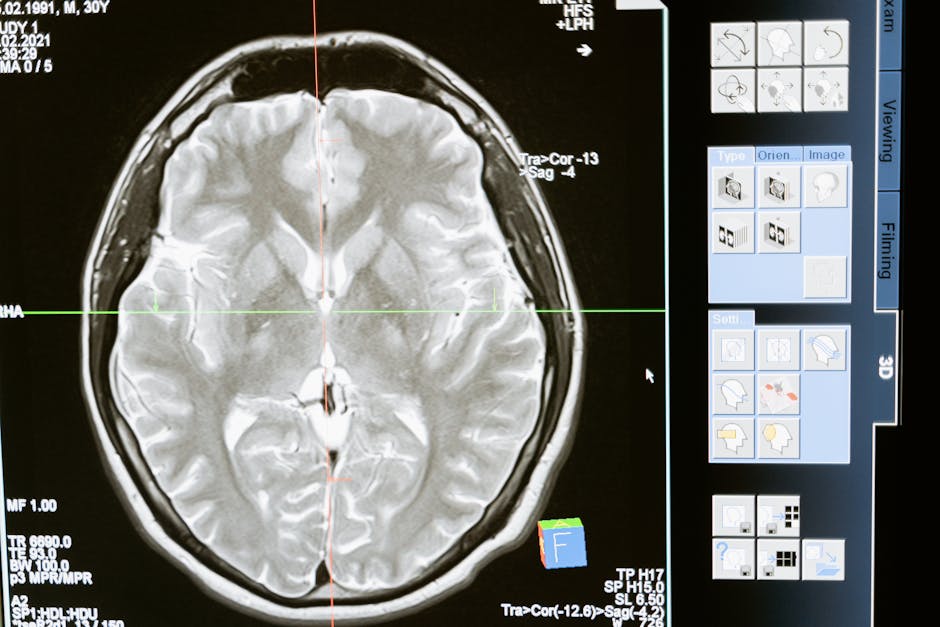
- A groundbreaking study found a link between choline deficiency and anxiety disorders in millions of people.
- The study analyzed 300 brain scans and found lower choline levels in anxious individuals, particularly in the prefrontal cortex.
- Choline plays a crucial role in neurotransmitter synthesis and cell membrane integrity, making it essential for emotional regulation.
- The discovery could shift focus toward dietary and metabolic interventions for treating anxiety disorders.
- The study suggests that traditional therapies may be complemented with nutritional approaches to address anxiety.
Could a simple nutrient deficiency be at the root of anxiety for millions? A groundbreaking study analyzing over 300 brain scans has found that individuals diagnosed with anxiety disorders consistently show lower levels of choline in key regions of the brain. This discovery marks the first time a specific neurochemical pattern has been clearly associated with anxiety. Choline, a vital nutrient involved in neurotransmitter synthesis and cell membrane integrity, appears especially depleted in the prefrontal cortex—the area responsible for regulating emotions, decision-making, and stress responses. If confirmed, this finding could transform how we understand and treat anxiety, shifting focus toward dietary and metabolic interventions alongside traditional therapies.
What Did the Study Reveal About Choline and Anxiety?

The comprehensive meta-analysis, published in Molecular Psychiatry, pooled functional MRI and magnetic resonance spectroscopy (MRS) data from 312 participants across seven clinical studies. Researchers found that people with generalized anxiety disorder (GAD), panic disorder, and social anxiety disorder had, on average, 27% lower choline concentrations in the prefrontal cortex compared to healthy controls. The deficit was less pronounced but still significant in the hippocampus and anterior cingulate cortex—regions also involved in emotional regulation. Importantly, the severity of anxiety symptoms correlated with the degree of choline depletion, suggesting a dose-response relationship. While previous studies have examined neurotransmitters like serotonin and GABA in anxiety, this is the first to identify a consistent deficit in a foundational brain nutrient, positioning choline as a potential biomarker for the condition.
What Evidence Supports the Choline-Anxiety Connection?

Choline is a precursor to acetylcholine, a neurotransmitter critical for attention, memory, and mood regulation. It also supports the structural integrity of neuronal membranes through its role in phosphatidylcholine synthesis. Animal studies have long shown that choline-deficient diets lead to heightened stress responses and impaired fear extinction. In humans, CDC data reveal that over 90% of adults do not meet the recommended daily intake of choline, with women of childbearing age and older adults at highest risk. The new brain imaging findings align with epidemiological research linking poor choline status to increased anxiety symptoms. Dr. Elena Torres, the study’s lead neuroscientist at the University of Toronto, stated, “We’re not saying choline deficiency causes all anxiety, but it may be a significant contributing factor in a large subset of patients—especially those unresponsive to conventional treatments.” Clinical trials are now underway to test whether choline supplementation can reduce symptom severity.
Are There Skeptics or Alternative Explanations?

Despite the compelling data, some experts urge caution in interpreting choline as a direct driver of anxiety. Dr. Rajiv Mehta, a psychiatrist at Johns Hopkins University not involved in the study, notes that “correlation does not equal causation—low choline could be a consequence rather than a cause of chronic anxiety.” Prolonged stress may alter metabolic pathways, reducing choline availability in the brain. Others point out that MRS technology, while powerful, has limited spatial resolution and can conflate choline compounds with other metabolites. Additionally, anxiety disorders are highly heterogeneous, with genetic, environmental, and psychological factors playing complex roles. Some researchers argue that focusing on a single nutrient may oversimplify a multifaceted condition. Still, most agree the findings are significant enough to warrant further investigation, particularly given the limited efficacy of current pharmacological treatments for anxiety, which fail nearly 40% of patients.
How Could This Discovery Change Treatment Approaches?

If future trials confirm that choline supplementation improves anxiety symptoms, it could lead to a paradigm shift in mental health care. For patients who don’t respond to SSRIs or cognitive behavioral therapy, nutritional interventions could offer a low-risk adjunct. Foods rich in choline—such as eggs, liver, soybeans, and salmon—might be emphasized in dietary counseling for anxiety. Some clinics are already exploring the use of choline bitartrate or alpha-GPC supplements in treatment-resistant cases. Beyond individual care, public health initiatives could begin to treat choline like folate—fortifying staple foods or issuing stronger dietary guidelines. This would be especially impactful for vulnerable populations, including pregnant women, where both choline deficiency and anxiety are common. The discovery also encourages broader research into the “metabolic psychiatry” model, which views mental illnesses through the lens of cellular nutrition and energy metabolism.
What This Means For You
If you struggle with anxiety, this research suggests that your diet could play a more direct role than previously thought. While choline is not a cure, ensuring adequate intake may support brain health and improve treatment outcomes. The recommended daily amount is 550 mg for men and 425 mg for women, rising to 450 mg during pregnancy. Simple dietary changes—like eating one whole egg daily—can significantly boost choline levels. Always consult a healthcare provider before starting supplements, especially if you’re on medication. This study doesn’t replace existing therapies but adds a promising new dimension to managing mental health.
Could correcting nutritional deficits prevent anxiety from developing in the first place? And might similar metabolic imbalances underlie other mental health conditions like depression or ADHD? As researchers expand the scope of metabolic psychiatry, the answers could reshape how we think about the mind-body connection in mental illness.
Source: ScienceDaily