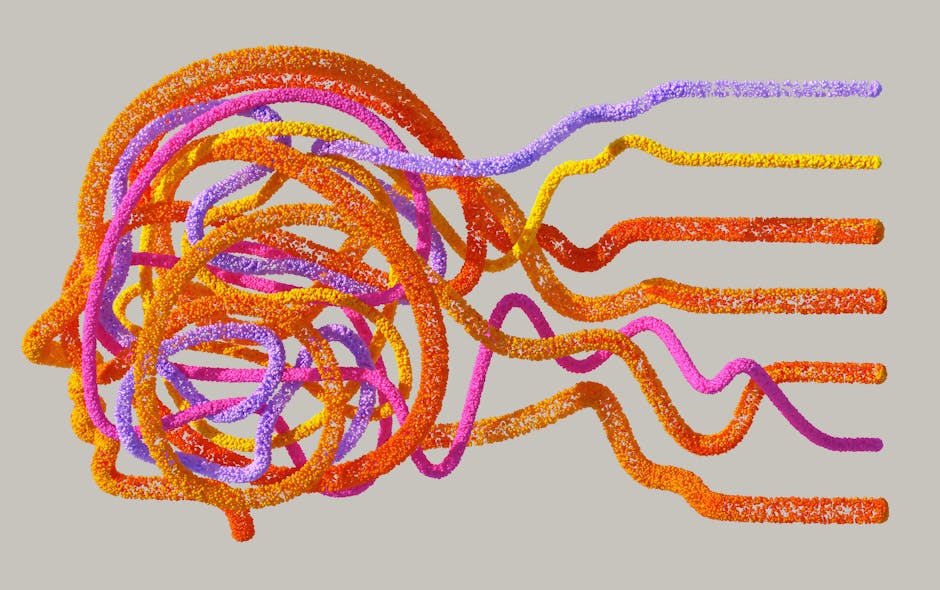
- Exercise may improve stamina through brain signaling, not just muscular transformation.
- The brain’s hypothalamus, particularly hypothalamic hypocretin/orexin neurons, play a key role in endurance gains.
- Regular exercise activates these neurons, leading to sustained endurance improvements over time.
- Blocking these neurons prevents endurance gains, suggesting their importance in stamina improvement.
- Emerging neuroscience research points to the brain’s more active role in physical conditioning than previously thought.
Why does exercise make us stronger and more enduring over time? It’s a question many assume has a straightforward answer: muscles adapt, lungs improve, and the heart grows more efficient. But what if the real driver of physical improvement isn’t just in the body—but in the brain? Emerging neuroscience suggests that the cognitive benefits of exercise may extend far beyond mood and memory. A growing body of evidence now points to a surprising conclusion: the brain’s role in physical conditioning is far more active than previously thought. Recent experiments in mice have uncovered a neural mechanism that persists after physical activity ends, hinting that endurance gains may rely as much on brain signaling as on muscular transformation.
How the brain shapes physical endurance

Scientists have discovered that a specific group of neurons in the brain’s hypothalamus—called hypothalamic hypocretin/orexin neurons—remain highly active during and even after exercise. These brain cells, long known for regulating wakefulness and appetite, appear to play a pivotal role in enhancing stamina through prolonged signaling. In a landmark study published in Nature, researchers found that mice who exercised regularly showed sustained activation of these neurons, which correlated directly with increased endurance over time. When these neurons were chemically blocked, the mice continued to perform the same workouts but failed to improve in stamina—a striking result suggesting that the brain, not just the body, is necessary for exercise adaptation. This implies that physical training may be as much a neurological process as a physiological one.
Neural evidence from animal studies

The study, conducted at the University of California, Irvine, used advanced imaging and genetic tools to monitor neural activity in mice running on wheels. Researchers observed that orexin neurons stayed active for hours post-exercise, releasing neurotransmitters that influence motivation, arousal, and energy regulation. Mice with intact orexin signaling improved their running duration by up to 50% over several weeks, while those with suppressed neuron activity showed no such gains despite identical exercise routines. As Dr. Stephanie Brown, a neuroscientist not involved in the study, explained: “This is the first clear evidence that a specific brain circuit is not just involved in, but essential to, the development of physical endurance.” The findings were further supported by data showing increased connectivity between orexin neurons and motor control regions in the brainstem, suggesting a direct neural pathway through which the brain enhances physical performance.
Challenges to the brain-first endurance model

Despite the compelling results, some experts urge caution in extrapolating mouse data to humans. Skeptics argue that while orexin neurons likely play a role in arousal and motivation, attributing endurance gains primarily to brain activity may downplay well-established physiological mechanisms—such as mitochondrial biogenesis, improved oxygen delivery, and muscle fiber adaptation. Dr. Alan Pierce, a physiologist at Johns Hopkins, notes: “The body’s peripheral adaptations are robust and sufficient to explain most endurance improvements without invoking central neural control as the main driver.” Additionally, orexin dysfunction is linked to narcolepsy, yet people with the condition can still build fitness, suggesting compensatory pathways exist. Others point out that human exercise involves complex psychological factors—like goal-setting and social motivation—that aren’t captured in rodent models, making it difficult to isolate the brain’s precise contribution.
Real-world implications for training and health

Still, the implications of this research could reshape how we approach fitness and rehabilitation. If brain signaling is a gatekeeper to endurance, then optimizing neural health—through sleep, nutrition, or even targeted therapies—could enhance physical training outcomes. For instance, since orexin neurons are sensitive to light and circadian rhythms, timing workouts to periods of peak neural activity might boost gains. Clinically, the findings may benefit patients with chronic fatigue or neurodegenerative conditions, where both stamina and brain function are compromised. Already, some rehabilitation programs are exploring combined cognitive-physical therapies, inspired by the idea that the brain and body must adapt in tandem. Athletes, too, may need to rethink recovery, recognizing that mental rest and neurological recovery are as vital as muscle repair.
What This Means For You
If you’re exercising to build endurance, your brain may be your most important training partner. Ensuring good sleep, managing stress, and maintaining mental focus could all support the neural circuits that drive physical improvement. This doesn’t mean abandoning traditional training principles—but rather enhancing them with a deeper understanding of how the brain enables progress. Prioritizing brain health may unlock new levels of performance, especially in long-term fitness goals.
But how much of our physical potential is truly limited by our brains rather than our bodies? And could future therapies—like neuromodulation or orexin-targeting drugs—allow people to gain endurance without intense physical effort? As neuroscience and exercise physiology converge, the boundary between mental and physical fitness may blur, opening ethical and scientific questions about the future of human performance.
Source: ScienceDaily