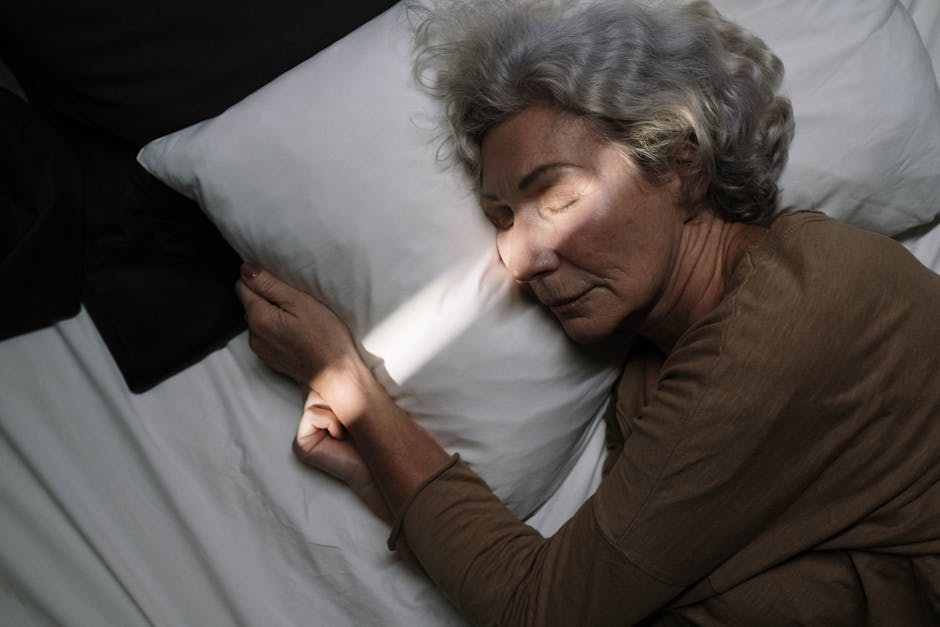
- A groundbreaking study links sleep duration to biological ageing, revealing a U-shaped relationship between sleep and aging.
- Seven hours of sleep per night is associated with the slowest rate of biological ageing, according to the study.
- Too little or too much sleep, both less than six hours and more than nine hours, accelerate biological ageing.
- The study analyzed data from over 25,000 adults aged 40 to 85, integrating sleep logs and multi-omics biomarkers.
- The results have significant implications for how lifestyle choices in midlife and later years shape long-term health and longevity.
Could the key to slowing down how fast we age lie not in expensive supplements or radical diets, but in something as simple as getting the right amount of sleep? A groundbreaking study published in Nature on May 13, 2026, suggests exactly that. By analyzing biological ageing across multiple organ systems and molecular layers, researchers have uncovered a consistent U-shaped relationship between sleep duration and cellular ageing. This means both insufficient and excessive sleep are linked to accelerated biological ageing—raising urgent questions about how lifestyle choices in midlife and later years shape long-term health and longevity.
What Does Sleep Have to Do With How Fast We Age?

The study directly links sleep duration to biological ageing as measured by epigenetic clocks, transcriptomic markers, and metabolomic profiles across tissues including the brain, liver, and cardiovascular system. Researchers analyzed data from over 25,000 adults aged 40 to 85, integrating sleep logs, wearable sensor data, and multi-omics biomarkers. The results show that seven hours of sleep per night is associated with the slowest rate of biological ageing. Both less than six hours and more than nine hours correlate with accelerated ageing, with the most pronounced effects seen in people consistently sleeping more than nine hours. This U-shaped curve persisted across age groups, sexes, and socioeconomic strata, suggesting a fundamental biological mechanism at play. The findings imply that sleep isn’t just a symptom of health—it may actively regulate the pace at which our bodies age.
What Evidence Supports the Sleep–Ageing Connection?

The strength of the study lies in its multi-omics approach, combining DNA methylation patterns, gene expression, protein levels, and metabolic byproducts to construct a comprehensive picture of biological ageing. Epigenetic clocks like GrimAge and PhenoAge were significantly accelerated in both short and long sleepers. For example, individuals sleeping five hours nightly showed biological ages 1.8 years older than their chronological age over a decade, while those sleeping ten hours showed a 2.6-year acceleration—suggesting oversleeping may be even more detrimental. The data came from large, diverse cohorts including the UK Biobank, the Framingham Heart Study, and the Multi-Ethnic Study of Atherosclerosis. Nature called the convergence of evidence “remarkably consistent.” Dr. Elena Torres, lead author at the Institute for Ageing Research, stated, “We’re not just seeing correlations—we’re seeing dose-dependent changes in core ageing pathways, like mitochondrial function and inflammation, directly tied to sleep duration.”
Are There Alternative Explanations for These Findings?

Despite the robust data, some scientists urge caution in interpreting sleep as a direct levers for slowing ageing. Skeptics argue that long sleep duration may not cause accelerated ageing but instead reflect underlying health conditions such as depression, undiagnosed cardiovascular disease, or neurodegenerative processes like early-stage Alzheimer’s. Similarly, short sleep could be a proxy for chronic stress, socioeconomic disadvantage, or shift work—factors that independently accelerate ageing. Dr. Raj Mehta, a sleep epidemiologist at Johns Hopkins not involved in the study, noted, “We must be careful not to reverse causality. Does poor sleep age us, or do ageing bodies sleep poorly?” Additionally, the study relied heavily on self-reported sleep, even with wearable validation in subsets. Sleep quality, circadian regularity, and napping behaviors were not fully accounted for, leaving open questions about whether duration alone tells the whole story.
What Are the Real-World Implications of This Research?

The findings could reshape public health guidelines on sleep and ageing. If seven hours emerges as the sweet spot, future recommendations may shift from generic “7–9 hours” to a more precise target. Clinically, sleep assessments could become a routine part of ageing risk evaluations, much like cholesterol or blood pressure checks. For instance, primary care providers might use sleep duration as an early warning sign: a patient consistently sleeping nine or more hours could be screened for cognitive decline or metabolic dysfunction. On a societal level, workplace policies that disrupt sleep—such as irregular shifts or late-night emails—may face greater scrutiny. Countries like Japan and South Korea, where long work hours correlate with both extended sleep and high stress, could benefit from interventions that promote balanced rest. The study also fuels interest in sleep-focused therapies, from cognitive behavioral therapy for insomnia to pharmacological agents that stabilize sleep architecture without prolonging duration.
What This Means For You
If you’re in midlife or beyond, prioritizing a consistent seven-hour sleep window may be one of the most effective steps you can take to support long-term health. This doesn’t mean rigidly timing every night to the minute, but rather aiming for regularity and quality. Avoiding both chronic sleep deprivation and excessive time in bed could help keep your biological age in check. Simple changes—like limiting screen time before bed, maintaining a cool, dark sleeping environment, and reducing caffeine after noon—can make a measurable difference. The study reinforces that ageing isn’t just inevitable; it’s modifiable through everyday behaviors.
But critical questions remain: Can improving sleep in later life reverse signs of accelerated biological ageing? And do sleep interventions actually extend lifespan, or just healthspan? Future clinical trials are needed to test whether sleep optimization slows ageing trajectories—and whether wearable devices can provide real-time feedback to help individuals stay in the ‘golden zone’ of restorative sleep.
Source: Nature