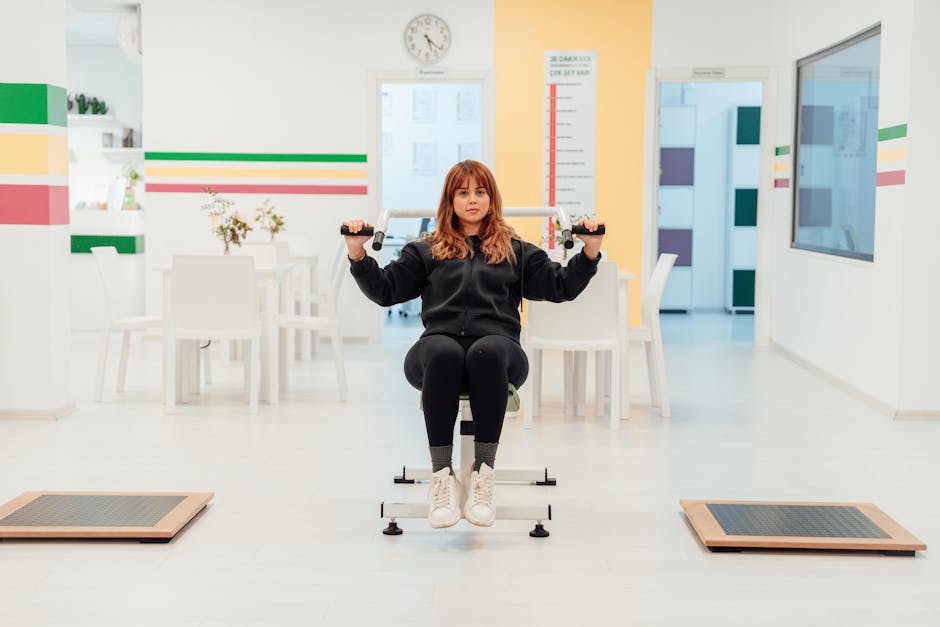
- Pulmonary rehabilitation programs can significantly improve exercise tolerance and quality of life in kids with chronic lung diseases.
- 80% of children participating in pulmonary rehab experienced improved exercise capacity, regardless of lung function changes.
- Quality of life and functional capacity should be prioritized alongside lung function metrics in pediatric respiratory therapy.
- Multidisciplinary pulmonary rehab programs can have a positive impact on emotional well-being in children with chronic respiratory diseases.
- Structured and comprehensive pulmonary rehabilitation can lead to meaningful gains in physical performance for kids with lung conditions.
Can children with chronic lung diseases get stronger and feel better even if their lungs don’t technically improve? This question lies at the heart of a growing body of research redefining success in pediatric respiratory care. Traditionally, doctors have measured the effectiveness of treatments like pulmonary rehabilitation by tracking changes in lung function—such as forced expiratory volume (FEV1). But a new study presented at the 2026 American Thoracic Society (ATS) International Conference suggests that focusing solely on lung metrics may miss a crucial part of the picture. Researchers found that children with conditions like cystic fibrosis, severe asthma, and bronchopulmonary dysplasia experienced meaningful gains in physical performance and emotional well-being after completing pulmonary rehab programs—even when their lung function tests showed little change. This raises a pivotal question: should quality of life and functional capacity be prioritized as key outcomes in pediatric respiratory therapy?
Does Pulmonary Rehab Help Kids If Lung Function Doesn’t Improve?

Yes—children with chronic respiratory diseases experience significant improvements in exercise tolerance and quality of life after pulmonary rehabilitation, even when objective lung function measures remain unchanged. The study analyzed data from over 300 pediatric patients across 12 medical centers in the U.S. and Canada who completed structured, multidisciplinary PR programs. These programs typically included supervised exercise training, nutritional counseling, breathing techniques, and psychological support over six to eight weeks. While only 38% of participants showed measurable improvement in FEV1, a striking 82% demonstrated enhanced exercise capacity, as measured by the six-minute walk test. More importantly, validated quality-of-life surveys revealed substantial gains in energy levels, emotional health, and social functioning. This disconnect between physiological metrics and patient-reported outcomes suggests that traditional lung function tests alone may not capture the full therapeutic benefit of rehab in children.
What Evidence Supports Functional Gains in Pediatric PR?

The findings from the ATS conference draw on robust clinical data and align with emerging trends in chronic disease management. Researchers observed that average six-minute walk distances increased by 15–22% post-rehab, with improvements sustained at three-month follow-up. According to Dr. Elena Martinez, lead researcher and pediatric pulmonologist at Boston Children’s Hospital, “We’re seeing kids climb stairs without stopping, return to sports, and report feeling more in control of their breathing.” The study also used the Pediatric Quality of Life Inventory (PedsQL) Respiratory Module, which showed a 17-point average increase in overall well-being scores—well above the clinically meaningful threshold of 5 points. These results echo a 2023 systematic review published in The Lancet Respiratory Medicine, which concluded that multidisciplinary PR is safe and effective for children with chronic lung disease. The consistency of these findings across diverse conditions—from cystic fibrosis to post-viral lung damage—highlights the broad applicability of functional rehabilitation approaches.
Are There Skeptics or Limitations to These Findings?

Despite the promising results, some experts urge caution in interpreting the data. Critics note that the study was observational and not all sites used identical rehab protocols, which could affect reproducibility. Additionally, because participants were recruited from specialized centers, the findings may not generalize to lower-resource settings where access to multidisciplinary teams is limited. Some pulmonologists also emphasize that while quality of life is important, long-term lung function remains a critical predictor of morbidity and mortality. “We can’t replace lung physiology with subjective well-being,” said Dr. Rajiv Mehta, a respiratory physiologist at the University of Pittsburgh, in a commentary on the study. “But we do need to expand our definition of success.” There’s also concern about sustainability—only 54% of families continued home-based exercise programs after formal rehab ended, suggesting that long-term adherence remains a challenge. These caveats highlight the need for standardized pediatric PR guidelines and more longitudinal research.
How Are These Results Changing Patient Care?

Hospitals and clinics are already adapting their approaches based on this evidence. At Children’s Hospital Los Angeles, a new outpatient PR pathway now includes routine functional assessments and quality-of-life surveys as core metrics, alongside spirometry. Families report higher satisfaction, and pediatricians note fewer emergency visits post-rehab. One 14-year-old with severe asthma, featured in a CDC case series, went from avoiding physical education to joining a school track team after completing rehab. Insurance coverage is also beginning to shift: several major U.S. providers now reimburse pediatric PR more readily, citing improved functional outcomes. However, access disparities persist—rural areas and underserved communities often lack specialized programs. Advocacy groups are pushing for policy changes to expand telehealth-supported rehab and school-based interventions to close this gap.
What This Means For You
If your child has a chronic respiratory condition, pulmonary rehabilitation may offer meaningful benefits beyond what lung tests show. Improved stamina, mood, and daily functioning are achievable goals—even without dramatic changes in pulmonary metrics. Talk to your pediatric pulmonologist about structured rehab programs that include exercise, education, and emotional support. These programs can empower your child to live more actively and confidently.
As the medical community embraces broader definitions of health, a critical question remains: how can we make comprehensive pulmonary rehabilitation accessible to all children who need it, regardless of geography or socioeconomic status? The answer may shape the future of pediatric respiratory care.
Source: MedicalXpress