- Iran has seen a significant surge in executions since the February 28 military strikes by the US and Israel.
- At least 32 political prisoners have been executed in Iran since the attacks, according to verified UN reports.
- The Iranian authorities have accelerated the judicial process for opposition figures and activists accused of espionage or ‘corruption on earth’.
- Families of the executed prisoners are left in suspense, with little to no information about the execution process.
- The UN has expressed concern over the human rights situation in Iran, citing a chilling pattern of repression and retaliation.
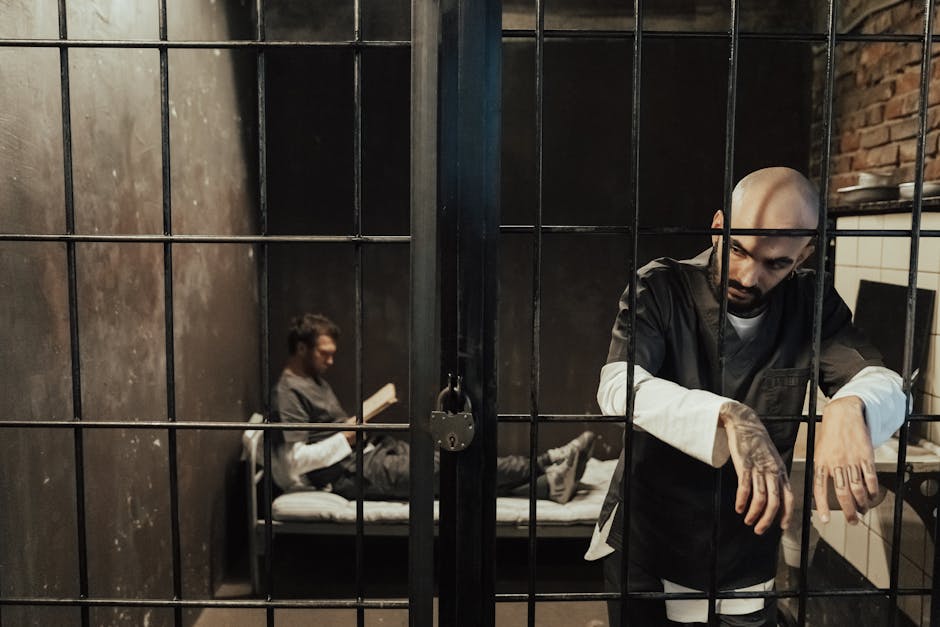
On a cold morning in Evin Prison, Tehran, a handwritten note slipped through the bars of a cell read: ‘This may be the last time you hear my voice.’ The message, smuggled out by a fellow inmate, belonged to Arash Sadeghi, a dissident playwright whose family has not seen him since his execution date was moved up without notice. The air inside the prison is thick with fear. Families gather outside the gates, clutching photographs and identity cards, pleading for news. Inside, guards move swiftly, their boots echoing through corridors where political prisoners have long been held in silence. Now, that silence is being broken not by protest, but by state-sanctioned death. Since the first bombs fell on Iranian military sites on February 28, a chilling pattern has emerged—one of repression, retaliation, and an alarming spike in executions.
Executions Surge After February Attacks

According to verified reports from the United Nations Office of the High Commissioner for Human Rights (OHCHR), at least 32 political prisoners have been executed in Iran since the coordinated strikes by the United States and Israel on February 28. The attacks, which targeted missile facilities in Isfahan and Kermanshah, killed 17 Iranian military personnel and triggered a national state of alert. In the days that followed, Iranian authorities accelerated the judicial process for dozens of opposition figures, activists, and dual nationals accused of espionage or ‘corruption on earth’—a capital charge often used against dissidents. Most of those executed had been denied fair trials, with access to legal counsel restricted and confessions extracted under duress. The OHCHR has condemned the executions as ‘a gross violation of international law’ and called for an immediate moratorium on all death sentences linked to political dissent.
Roots of Repression: A History of Crackdowns

This recent wave of executions is not an anomaly but a continuation of a long-standing pattern of political repression in Iran. Since the 1979 revolution, the Islamic Republic has used the judiciary as a tool to suppress opposition, with periodic surges following moments of unrest. The 2009 Green Movement, the 2019 fuel protests, and the 2022 Mahsa Amini demonstrations all triggered mass arrests and executions. What distinguishes the current moment is the overt linkage between external military action and internal retaliation. The Iranian government has framed the executions as necessary to preserve national unity during wartime, echoing rhetoric from the Iran-Iraq War of the 1980s, when thousands were executed on charges of collaboration. Today’s climate of fear is amplified by digital surveillance, restricted press freedom, and the near-total shutdown of independent civil society.
Who Controls the Gallows?

The executions are orchestrated by a nexus of judicial and security officials loyal to Supreme Leader Ayatollah Ali Khamenei. Chief among them is Gholam-Hossein Mohseni-Ejei, head of the judiciary, a former intelligence minister with a documented history of overseeing torture and forced confessions. The Islamic Revolutionary Guard Corps (IRGC) plays a parallel role, identifying ‘enemies of the state’ and pressuring courts to deliver swift verdicts. Families of the condemned report that their loved ones were denied final visits and that burial sites remain undisclosed—a tactic designed to erase memory and deter mourning. Meanwhile, reformist factions within the government, including President Masoud Pezeshkian’s office, have remained largely silent, unable or unwilling to challenge the hardliners’ grip on power.
Consequences for Dissent and Diplomacy

The executions have sent shockwaves through Iran’s diaspora and emboldened hardliners across the region. Human rights organizations such as Amnesty International and Human Rights Watch have urged the International Criminal Court to investigate potential crimes against humanity. Western governments face a dilemma: how to respond to Iran’s aggression without further endangering political prisoners. Sanctions targeting IRGC officials have been imposed, but critics argue they do little to protect civilians. Inside Iran, the message is clear—dissent will be met with death. This has led to a chilling effect on activism, with underground networks going deeper into silence. For families of the executed, the pain is compounded by invisibility; their grief is unacknowledged, their demands for justice unanswered.
The Bigger Picture
Iran’s use of executions as a political weapon reflects a broader global trend in which authoritarian regimes exploit external threats to justify internal repression. From Belarus to Myanmar, governments have weaponized national security to dismantle democratic safeguards. In Iran, the fusion of religious authority, military power, and judicial control creates a particularly resilient system of oppression. The international community’s fragmented response—condemnation without enforcement—risks normalizing such abuses. As geopolitical tensions rise, the lives of political prisoners become bargaining chips, their fates sealed not by law, but by the calculus of power.
What comes next remains uncertain. The UN continues to call for transparency, urging Iranian authorities to release a full list of those executed and to allow independent monitors into prisons. Yet, without binding international pressure, such appeals may go unheeded. For now, the voices of the disappeared linger in smuggled letters, in whispered testimonies, in the quiet defiance of those who still dare to remember. The world may look away, but in the shadows of Evin and beyond, the fight for truth endures.
Source: BBC