- Uganda has activated a national emergency response to contain a rapidly spreading Ebola outbreak in Mubende and surrounding districts.
- Over 50 suspected cases have been recorded, with at least 15 confirmed and 12 fatalities, according to the latest reports.
- Hospitals have erected isolation units, schools have shuttered in high-risk zones, and families are torn apart by quarantine orders.
- The virus has already claimed multiple lives, sending shockwaves through communities still haunted by past epidemics.
- Health authorities have established treatment centers, deployed rapid response teams, and initiated contact tracing for over 3,000 individuals.
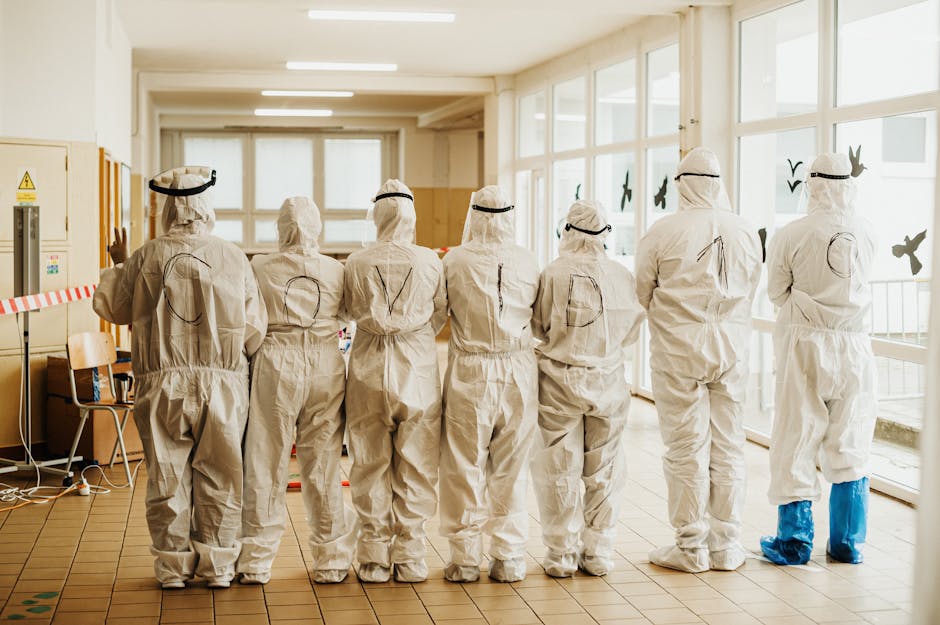
In the dusty streets of Mubende, a quiet town nestled in Uganda’s central region, the usual bustle of market life has been replaced by silence and fear. Armed with thermometers and protective suits, health workers move door to door, checking temperatures and asking about fevers, vomiting, and unexplained bleeding. The specter of Ebola looms large once again. Just weeks after the World Health Organization declared the end of the last major outbreak in the Democratic Republic of the Congo, Uganda is now on the frontlines of a new viral threat. Hospitals have erected isolation units, schools have shuttered in high-risk zones, and families are torn apart by quarantine orders. The virus, which kills up to 90% of those infected in its most lethal forms, has already claimed multiple lives, sending shockwaves through communities still haunted by past epidemics.
Emergency Measures Rolled Out Amid Rising Cases

Ugandan authorities have activated a national emergency response to contain the fast-moving Ebola outbreak, declaring a public health crisis in Mubende and surrounding districts. As of the latest reports, over 50 suspected cases have been recorded, with at least 15 confirmed and 12 fatalities. The Ministry of Health, in coordination with the World Health Organization (WHO) and Médecins Sans Frontières, has established treatment centers, deployed rapid response teams, and initiated contact tracing for more than 3,000 individuals. Vaccination campaigns using the rVSV-ZEBOV vaccine have begun for frontline workers and high-risk contacts. Travel restrictions have been imposed on affected areas, and public gatherings, including religious services and political rallies, have been suspended. Health officials warn that the virus’s incubation period—up to 21 days—means the full scope of the outbreak may not yet be visible, making swift and sustained intervention critical.
How Past Outbreaks Shaped Today’s Response

This is not Uganda’s first encounter with Ebola. Since 2000, the country has faced multiple outbreaks, including a deadly 2000 strain that killed 224 people. These earlier experiences have shaped a more robust surveillance and response system. In 2019, Uganda successfully contained a cross-border outbreak linked to the DRC, thanks to early detection and regional cooperation. The country now hosts one of Africa’s most advanced viral hemorrhagic fever labs, capable of confirming Ebola cases within hours. However, challenges persist. Rural health infrastructure remains fragile, misinformation spreads quickly, and community distrust—fueled by past trauma—can hinder containment. The current outbreak involves the Sudan ebolavirus species, for which no approved vaccine previously existed, complicating the immunization strategy despite recent experimental deployments.
Frontline Workers and Local Leaders in the Line of Fire

The response is being led by a network of Ugandan epidemiologists, nurses, and community health volunteers, many of whom lived through previous outbreaks. Dr. Aceng Jane Ruth, Uganda’s Minister of Health, has been a central figure in coordinating the national effort, appealing for international support while emphasizing local capacity. Local leaders, including traditional healers and religious figures, are being enlisted to combat misinformation and encourage compliance with health directives. Yet the toll is high. Health workers face immense psychological strain, and at least two have been infected in the current wave. In villages where burial rituals involve close contact with the deceased—a known transmission route—authorities are working with elders to adapt traditions without sacrificing safety. Their mission is not just medical, but deeply cultural.
Regional and Global Implications of the Outbreak

The stakes extend far beyond Uganda’s borders. Neighboring countries—Rwanda, South Sudan, and the DRC—are on high alert, with increased screening at border crossings and airports. The African Union and WHO have warned that unchecked spread could trigger a regional emergency, particularly given high population mobility in the Great Lakes region. Economically, the outbreak threatens agricultural trade and tourism, sectors vital to Uganda’s recovery from pandemic-related setbacks. Global health experts stress that while Uganda’s response is more prepared than in past decades, sustained funding and vaccine access remain critical. Delays in international aid could erode hard-won gains, turning a localized crisis into a broader humanitarian threat.
The Bigger Picture
This outbreak underscores a recurring truth: in an interconnected world, viral threats do not respect borders. Despite scientific advances, pathogens like Ebola exploit gaps in health equity, weak infrastructure, and geopolitical neglect. Uganda’s response is a test not only of its medical systems but of the global commitment to pandemic preparedness. As climate change and deforestation increase human-wildlife contact—a key driver of zoonotic spillover—such outbreaks may become more frequent. The world must decide whether to treat them as isolated emergencies or symptoms of a deeper, systemic vulnerability.
What comes next will depend on coordination, transparency, and speed. If contact tracing holds and vaccines prove effective, the outbreak could be contained within weeks. But any lapse—delayed supplies, community resistance, or undetected transmission—could prolong the crisis. For now, health workers in Mubende press on, guided by memory, science, and an urgent sense of duty. The fight against Ebola is not just about stopping a virus, but about protecting the fragile trust between people and the systems meant to keep them safe.
Source: Al Jazeera