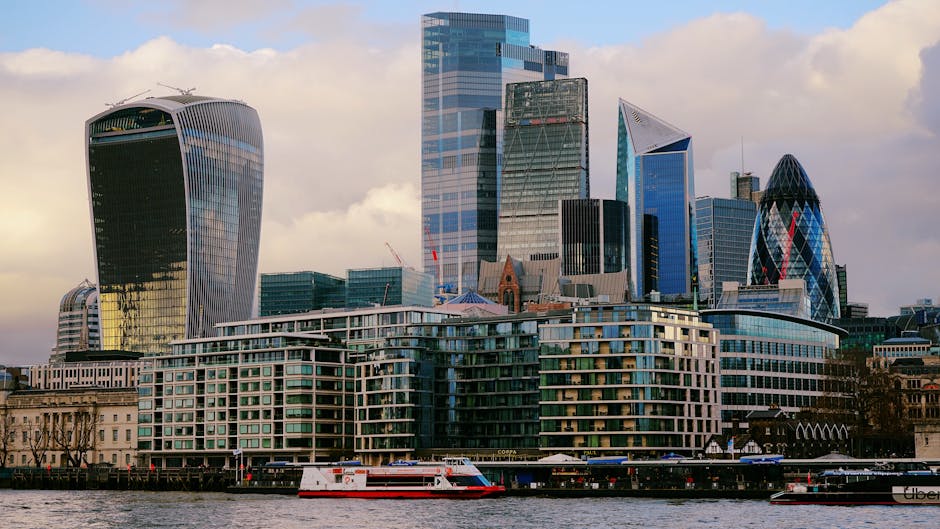
- Mick Jagger and Eric Clapton led a successful campaign to block a 29-storey tower on the River Thames.
- The Planning Inspectorate upheld Wandsworth Council’s rejection of the project, citing ‘unacceptable harm’ to the area’s heritage.
- The decision marks a rare win for celebrity-backed civic opposition in UK urban planning disputes.
- The proposed tower would have disrupted sightlines to St. Paul’s Cathedral and other historic landmarks.
- Growing tensions exist between private development ambitions and community preservation efforts in UK urban planning.
Rolling Stones frontman Mick Jagger and legendary guitarist Eric Clapton have emerged victorious in a two-year campaign to block the construction of a 29-storey residential tower on the south bank of the River Thames. Alongside actor Felicity Kendal and comedian Harry Hill, the group successfully challenged Rockwell Property’s proposal to build a 100-metre-high structure adjacent to Battersea Bridge in south-west London. The Planning Inspectorate has now upheld Wandsworth Council’s original rejection of the project, agreeing that the development would have caused ‘unacceptable harm’ to the heritage and visual character of the area. The decision marks a rare win for celebrity-backed civic opposition in UK urban planning disputes, highlighting growing tensions between private development ambitions and community preservation efforts.
Visual and Heritage Impact of the Proposed Tower

The proposed tower, planned for the site of a former industrial yard near Battersea Bridge, would have stood at 100 metres with 29 floors and included 187 luxury apartments. According to the Planning Inspectorate’s 118-page determination report, the building would have been visible from multiple protected viewpoints, including the Grade II-listed Battersea Bridge and the conservation area of Chelsea Embankment. The report noted that the tower’s height and mass would have ‘dominated the riverscape’ and disrupted key sightlines to St. Paul’s Cathedral and other historic landmarks. Citing guidance from Historic England, the inspector emphasized that the proposal failed to meet the threshold for ‘exemplary, extraordinary, remarkable or distinctive’ architecture—qualities required to justify such a tall structure in a sensitive location. Instead, the report described the design as ‘merely tall’ without sufficient architectural merit to offset its visual intrusion.
Key Players in the Opposition Coalition

The campaign against the tower united a high-profile group of local residents concerned about the impact on the area’s character and views. Mick Jagger, who owns a riverside home nearby, was among the most vocal opponents, submitting detailed objections and supporting legal costs. Eric Clapton, also a long-time resident of the Chelsea and Wandsworth area, lent his name to the petition and expressed concerns about increased congestion and the ‘overdevelopment’ of the Thames corridor. Actor Felicity Kendal and comedian Harry Hill joined the coalition, reflecting broader community anxiety about unchecked high-rise construction. Their legal team, supported by planning experts from the Victorian Society and the Twentieth Century Society, argued that the project violated national planning policy by prioritizing density over heritage. Rockwell Property, the developer, maintained that the tower would deliver much-needed housing and include public riverside access, but failed to convince the inspector of its public benefit.
Trade-Offs Between Development and Preservation

The case underscores the ongoing tension between urban development and heritage conservation in London. On one hand, the city faces a chronic housing shortage, with developers citing the need for high-density projects to meet demand. Rockwell Property claimed its tower would contribute to housing targets and include affordable units, though critics noted these would amount to just 15% of total homes. On the other hand, opponents argue that uncontrolled vertical growth risks eroding the capital’s historic identity and diminishing quality of life for residents. The inspector’s decision reinforces a precedent that height alone is not justification for development in sensitive zones. While the project promised economic benefits and riverside improvements, the ruling suggests that aesthetic and cultural costs can outweigh such gains when architectural quality is lacking. This balance will likely influence future proposals along the Thames, where over 40 high-rise developments are currently under review.
Why the Decision Came Now

The inspector’s ruling comes at a pivotal moment in London’s planning landscape, as public scrutiny of high-rise developments intensifies. In recent years, similar projects in areas like Nine Elms and Vauxhall have sparked backlash over shadowing, wind tunnels, and loss of river access. The Jagger-Clapton campaign benefited from improved coordination among heritage groups and more robust legal frameworks for community consultation. Additionally, changes in national planning policy now require developers to demonstrate ‘public benefit’ beyond mere compliance. Rockwell’s inability to prove exceptional design or substantial community gains proved fatal. The decision also reflects a shift in political sentiment, with both local councils and central government signaling greater caution toward unchecked tower proliferation. This case may serve as a model for future community-led challenges to large-scale developments.
Where We Go From Here
Looking ahead, three scenarios could unfold in the wake of this ruling. First, Rockwell Property may revise the design to reduce height or improve architectural quality and resubmit a new proposal, potentially with stronger community engagement. Second, the site could remain undeveloped or see a lower-rise alternative that aligns with local character, setting a precedent for more context-sensitive development. Third, the decision could inspire similar opposition to other Thames-side towers, leading to a broader reassessment of London’s high-rise strategy. The outcome may also prompt developers to invest more in design excellence and public consultation from the outset. As the city grapples with growth and preservation, this case could mark a turning point in how planning decisions weigh cultural value against economic ambition.
Bottom line — The rejection of the 29-storey Thames tower affirms that even in high-demand urban areas, exceptional design and community impact must outweigh sheer height, setting a significant precedent for future developments along London’s iconic riverfront.
Source: The Guardian