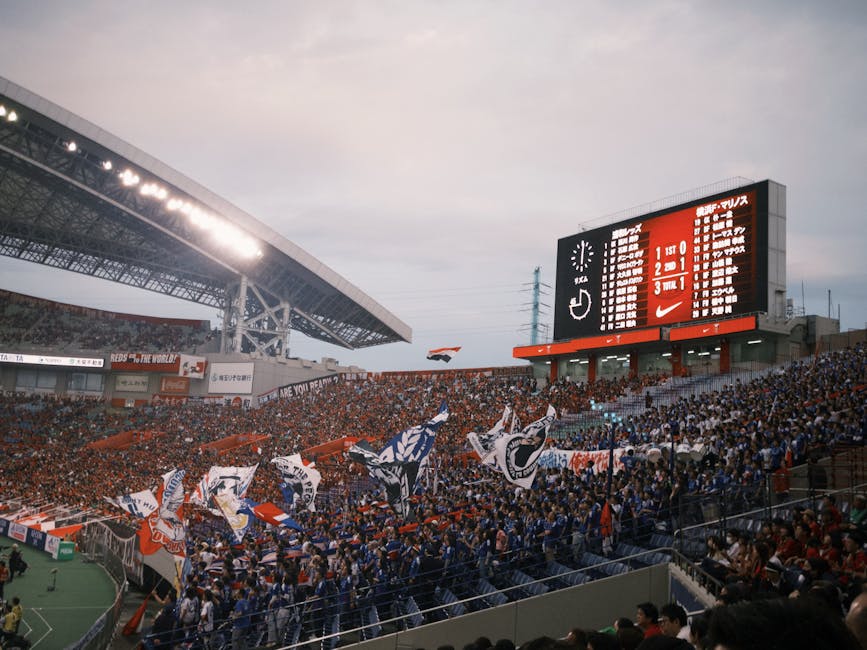
- A Japanese football fan’s header back into play has sparked debate on fan engagement and safety in sports.
- The incident highlights the need for clear guidelines on fan participation and its potential risks.
- The fan’s technically proficient move showcased a deep understanding of the game, but also raised concerns over safety.
- Eyewitnesses and video footage suggest that such actions can momentarily shift game momentum but pose significant risks.
- The Japanese Football Association is growing concerned over spectator participation that directly impacts gameplay.
Executive summary: A recent incident in a Japanese football match has garnered significant attention, where a fan of Kashima Antlers headed the ball back into play, influencing the game’s dynamics. This unexpected turn of events raises questions about the boundaries between spectators and players. As the sport continues to evolve, such incidents highlight the need for clear guidelines on fan engagement and safety.
Evidence from the Match

According to eyewitnesses and video footage from the match against JEF United, the fan’s header was not only a display of enthusiasm but also a technically proficient move, showing a deep understanding of the game. Data from similar incidents in the past suggests that while such actions can momentarily shift the momentum of a game, they also pose significant risks, including injuries to both the fan and the players. Primary sources, including statements from the Japanese Football Association, indicate a growing concern over spectator participation that directly impacts gameplay.
Key Players and Their Roles

The key actors in this scenario include the fan, who has been identified as a long-time supporter of Kashima Antlers, known for his dedication and knowledge of the game. The players on the field, particularly those from JEF United, were also directly affected by the fan’s action, as it potentially altered the strategic landscape of the match. Recent moves by the Japanese Football Association to enhance fan experience while ensuring safety have been put under scrutiny following this incident.
Trade-Offs and Implications

The costs and benefits of such fan engagement are multifaceted. On one hand, it can boost morale and create memorable experiences for spectators, potentially increasing fan loyalty and engagement. On the other hand, there are significant risks involved, including physical harm to individuals and the disruption of fair play. Opportunities for fan participation that do not compromise safety or the integrity of the game are being explored, such as designated fan zones and interactive technologies.
Timing and Context

The timing of this incident is noteworthy, coming at a point when sports leagues worldwide are reevaluating their approaches to fan engagement and stadium safety. Recent advancements in stadium technology and the growing trend of immersive fan experiences have raised questions about where to draw the line between spectator and participant. The incident against JEF United serves as a catalyst for this conversation, prompting a review of current policies and potential future regulations.
Where We Go From Here
Looking ahead to the next 6-12 months, three possible scenarios emerge. Firstly, a stricter enforcement of spectator boundaries, potentially reducing fan engagement but increasing safety. Secondly, the development and implementation of new technologies and fan zones that allow for safe and controlled participation. Lastly, a shift in cultural attitudes towards fan participation, with a greater emphasis on respecting the boundaries between the field and the stands. For more information on fan engagement and safety, visit football hooliganism Wikipedia page or Reuters’ coverage on fan safety.
Bottom line: The incident involving a Kashima Antlers fan heading the ball back into play during a match against JEF United underscores the complex relationship between fan engagement, safety, and the integrity of the game, necessitating a thoughtful and multifaceted approach to addressing these challenges in the future.
Source: V