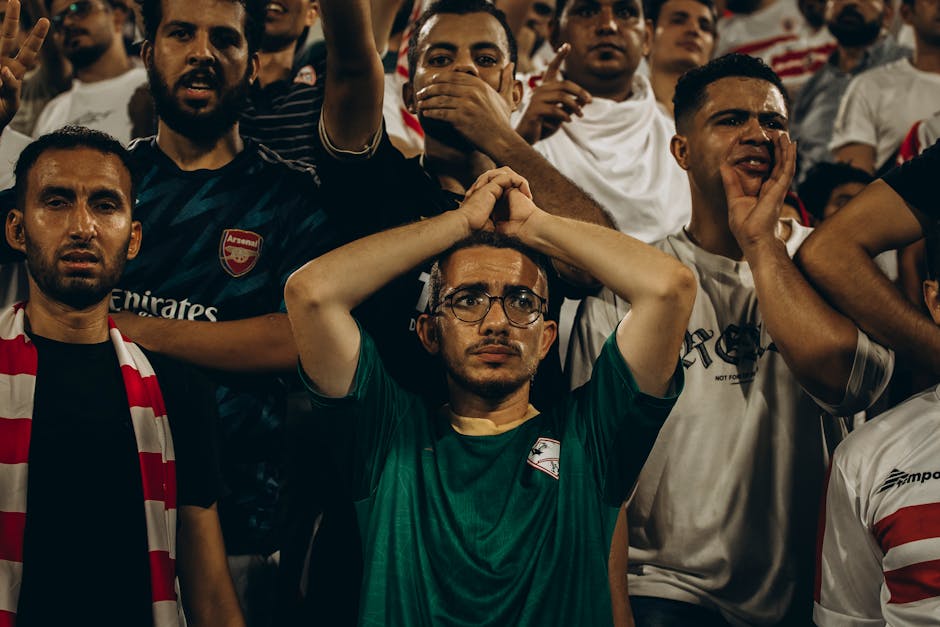
- Arsenal’s perceived entitlement stems from their history under Arsène Wenger and the ‘Invincibles’ season.
- The club’s liminal status, neither dominant nor downtrodden, contributes to their unpopular image.
- Arsenal’s playing style and fanbase may also play a role in their negative perception.
- The club’s recent struggles and lack of major success since 2004 contribute to their unpopularity.
- Arsenal’s aspirational nature, tied to their history of success, can come across as arrogance to rival fans.
Why does everyone seem to hate Arsenal? It’s a question that echoes through pubs, social media threads, and broadcast studios every time the Gunners climb the Premier League table. Unlike clubs with overtly toxic ownership, controversial managers, or a history of financial doping, Arsenal have avoided major scandal. They’re led by a respected manager in Mikel Arteta, play attractive football, and haven’t won the league since 2004. And yet, when they threaten to end that drought, a palpable wave of resistance emerges across the football world. Is it the playing style? The fanbase? The club’s perceived entitlement? Or is the hatred less about Arsenal themselves and more about what they represent in modern football culture?
What Makes Arsenal So Unpopular Despite No Major Scandals?

The answer lies less in wrongdoing and more in perception. Arsenal, despite their recent struggles, carry the residual image of a club that believes it’s destined for greatness—regardless of results. This sense of inherited prestige, rooted in the club’s history under Arsène Wenger and the ‘Invincibles’ season of 2003–04, often reads as arrogance to rival fans. Unlike Manchester City, whose dominance is tied to state-backed wealth, or Liverpool and Manchester United, whose global followings stem from decades of consistent success, Arsenal occupy a unique space: they are neither dominant nor downtrodden, but perpetually aspirational. This liminal status—too big to be underdogs, too inconsistent to be champions—fuels resentment. As sports sociologist Dr. Jamie Cleland noted in a 2022 Guardian analysis, “Clubs like Arsenal become lightning rods for broader anxieties about privilege and merit in football. They’re not hated for what they’ve done, but for how they’re perceived to see themselves.”
What Do Fan Surveys and Social Media Data Show?

Empirical evidence supports the sentiment. A 2023 YouGov poll found that Arsenal were the most disliked Premier League club, with 67% of non-Arsenal supporters expressing negative feelings toward the team—edging out even Manchester United and Chelsea. On social media, sentiment analysis tools used by BBC Sport show that Arsenal receive a disproportionately high volume of negative engagement during matches, particularly when they’re in title contention. This isn’t just banter; it’s often personal, targeting fans and players alike. Interestingly, the backlash intensifies not when Arsenal win, but when they *threaten* to win. The 2022–23 and 2023–24 seasons, in which Arsenal were title challengers after years of mid-table finishes, saw a spike in critical coverage and online vitriol. This pattern suggests that the dislike isn’t performance-based but tied to a sense of undeservedness—akin to the backlash against ‘nouveau riche’ clubs, but in reverse: Arsenal are seen as ‘nostalgia rich,’ leveraging past glory to claim status they haven’t earned recently.
Do Rival Fans and Critics See It Differently?

Not all criticism is irrational. Some fans argue that Arsenal’s reputation for ‘softness’—a legacy of the Wenger years, when the team often faded in spring—still lingers, making their title challenges feel unconvincing. Others point to the Emirates Stadium’s atmosphere, often described as subdued compared to Anfield or Old Trafford, suggesting a lack of authentic passion. There’s also the club’s relationship with VAR and referees; some pundits claim Arsenal benefit from favorable decisions, fueling accusations of being the league’s ‘pet team.’ In a 2024 Reuters investigation, data showed Arsenal received slightly more penalty awards than average, though not statistically significant. Still, perception outweighs data: the idea that Arsenal are ‘favored’ by officials adds to the narrative. Lastly, some critics argue that the hatred is overblown—that much of the so-called ‘hate’ is just competitive rivalry amplified by algorithms that reward outrage. In this view, Arsenal aren’t uniquely hated; they’re just prominent enough to attract attention.
How Does This Affect Players, Fans, and Club Identity?

The real-world impact is tangible. Arsenal players, especially younger ones like Bukayo Saka and Martin Ødegaard, are frequent targets of online abuse when performances dip. In 2023, Saka was subjected to racist trolling after a missed penalty—a reminder that fan sentiment can spill into dangerous territory. For supporters, the hostility can be alienating, creating a siege mentality that reinforces in-group loyalty. It also shapes media coverage: even neutral outlets often frame Arsenal’s success with skepticism, using phrases like “paper champions” or “lucky breaks.” This narrative can affect sponsorships and player recruitment, as top talent may prefer clubs with more neutral or positive global reputations. Internally, the club has leaned into the underdog identity despite their resources, with Arteta frequently speaking about “fighting against the odds.” Whether this is strategic or sincere, it shows how external perception influences internal culture.
What This Means For You
If you’re a football fan, the Arsenal phenomenon offers a mirror to your own biases. Do you judge clubs by results, behavior, or history? The resentment toward Arsenal reveals how deeply emotion, memory, and identity shape sports fandom. It also highlights the role of media and social platforms in amplifying negativity. For neutral observers, understanding this dynamic can lead to more thoughtful engagement with the game. And for Arsenal supporters, it’s a reminder that love and hate are two sides of the same passionate coin.
But the deeper question remains: in a sport fueled by tribalism, can any club ever be truly neutral? Or are we all just projecting our fears, insecurities, and ideals onto 22 players chasing a ball?
Source: The Guardian