- A recent poll shows 60% of Metro Vancouver residents oppose the Whitecaps’ potential relocation.
- The team faces relocation risks due to inconsistent attendance, limited revenue, and scheduling conflicts at BC Place.
- MLS prioritizes clubs with strong local revenue and fan engagement, increasing pressure on Vancouver’s leaders.
- The Whitecaps’ departure could lead to significant economic losses for downtown Vancouver, including job losses.
- A dedicated soccer-specific stadium or plan is seen as essential to the team’s long-term viability.
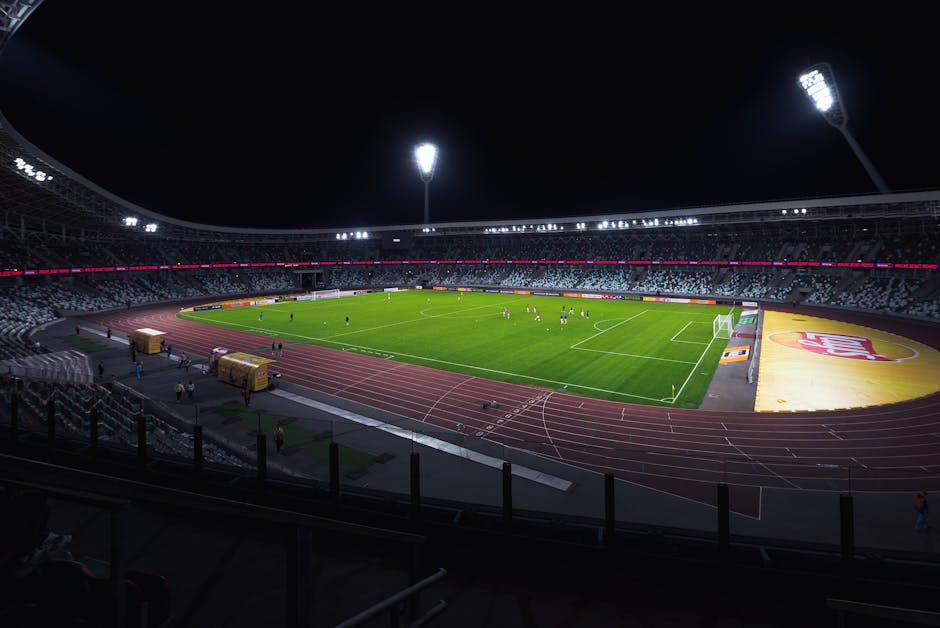
More than 60% of Metro Vancouver residents oppose any potential relocation of the Vancouver Whitecaps FC, according to a recent poll conducted by Insights West, underscoring the emotional and economic stakes tied to the team’s future in the city. As speculation mounts over the club’s long-term viability at BC Place, a growing coalition of local business leaders, civic advocates, and sports economists is sounding the alarm: without a dedicated soccer-specific stadium or a concrete plan for one, the club could face relocation within the next decade. The Whitecaps, who joined Major League Soccer in 2011, have long struggled with inconsistent attendance, limited revenue from concessions and sponsorships, and scheduling conflicts at BC Place—a multi-use venue also home to the BC Lions and major concerts. With MLS increasingly prioritizing clubs that generate strong local revenue and fan engagement, the pressure is mounting on Vancouver’s civic and business leaders to act decisively.
Economic and Cultural Stakes of Losing an MLS Franchise

The potential departure of the Whitecaps isn’t just a blow to soccer fans—it represents a significant economic risk for downtown Vancouver, where match days bring thousands of visitors to restaurants, hotels, and public transit. A 2023 report by the Vancouver Economic Commission estimated that each home game generates over $1.2 million in direct and indirect economic activity, supporting more than 1,500 jobs across sectors. Beyond economics, the club has become a point of civic pride, especially among the city’s growing youth soccer population and immigrant communities from Latin America and Asia, where soccer is deeply woven into cultural identity. Losing the team would not only diminish Vancouver’s status as a major North American sports city but could also weaken youth engagement in organized sports, according to local educators and nonprofit leaders. With cities like Sacramento and Las Vegas successfully securing or expanding MLS franchises by offering modern facilities, Vancouver risks being left behind without a bold, coordinated response.
Behind the Scenes: The Business Coalition’s Push

At the forefront of the effort is the newly formed Vancouver Soccer Future Alliance (VSFA), a coalition of over 40 business leaders, including executives from Lululemon, Telus, and Vancouver Airport Authority. The group has commissioned feasibility studies on potential stadium sites, including areas in the False Creek Flats, the former Expo lands at River District, and a redeveloped Nat Bailey Stadium. They are advocating for a public-private partnership model, similar to how BMO Field in Toronto was expanded with municipal support and corporate sponsorship. The Whitecaps’ ownership, led by Greg Kerfoot, Jeff Mallett, and Steve Luczo, has repeatedly stated their preference to remain in Vancouver—but only if a viable stadium solution is found. MLS Commissioner Don Garber has also emphasized that stadium quality and market commitment are key factors in franchise stability, putting additional pressure on city hall to engage constructively.
Stadium Challenges and Scheduling Conflicts

BC Place, while iconic, presents structural challenges for soccer. Shared with the CFL’s BC Lions and hosting major events like concerts and monster truck rallies, the pitch condition often deteriorates mid-season, affecting player safety and game quality. Moreover, the retractable roof and temporary seating limit the atmosphere and matchday revenue potential compared to soccer-specific venues like Providence Park in Portland or Subaru Park in Philadelphia. According to sports facility analysts at Reuters, clubs with their own stadiums generate up to 40% more matchday revenue, a critical factor in league competitiveness. Vancouver’s inability to offer a dedicated soccer venue has long been cited by league insiders as a weakness in its market profile. While previous proposals, such as a waterfront stadium near Science World, were scrapped due to cost and environmental concerns, the current coalition believes rising land values and fan demand justify renewed investment.
Implications for Fans, Youth Soccer, and Urban Development

If the Whitecaps were to leave, the ripple effects would extend far beyond the pitch. Youth soccer organizations across British Columbia rely on the club’s outreach programs, player clinics, and scholarship initiatives. Academies like Mountain United and Surrey United have reported increased registration following Whitecaps-led community events. Additionally, the loss of an MLS team could impact urban planning, as modern stadiums often act as catalysts for transit improvements and neighborhood revitalization—evident in developments around Seattle’s Lumen Field and Atlanta’s Mercedes-Benz Stadium. Without a clear path forward, Vancouver risks stagnation in both sports infrastructure and civic engagement, especially as younger generations demand more accessible, community-centered entertainment options.
Expert Perspectives
“Vancouver has all the ingredients for a thriving MLS franchise—passionate fans, a diverse population, and strong corporate support—but it’s missing the infrastructure piece,” says Dr. Karen O’Reilly, a sports economist at Simon Fraser University. Others caution against overreach. “We need to be realistic about public spending,” warns urban planner David Wachsmuth. “A stadium shouldn’t come at the expense of affordable housing or transit equity.” The debate reflects a broader tension between civic pride and fiscal responsibility in growing cities.
Looking ahead, all eyes are on the upcoming city council meetings, where the VSFA is expected to present its stadium proposals. The next 12 months will be critical: MLS typically reviews market commitments every three years, and without movement, Vancouver could be deemed non-compliant with league standards. The question is no longer if a solution is needed, but whether the political and business will exists to deliver it.
Source: Reddit