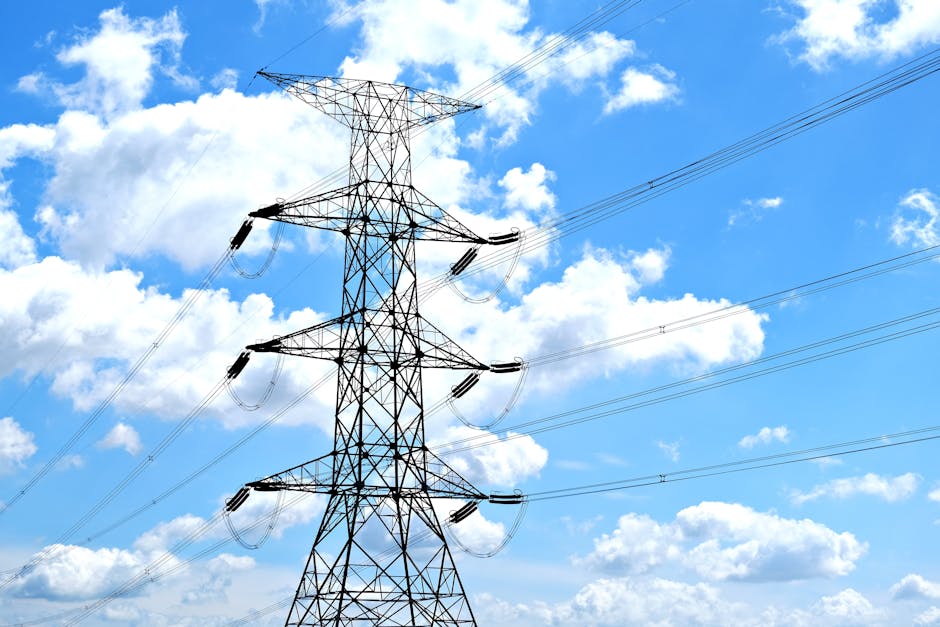
- The US power grid is facing an imminent crisis due to a 20% surge in demand over the next 6 years.
- Over 70% of transmission lines in the US are more than 25 years old, making them vulnerable to collapse.
- Peak electricity demand is projected to reach 930 gigawatts by 2030, up from 780 GW in 2024.
- The rapid expansion of AI data centers, electric vehicle adoption, and reshored manufacturing are driving energy demand growth.
- Experts warn of cascading blackouts, industrial slowdowns, and rising energy costs without urgent investment and reform.
The United States is hurtling toward an electricity supply crisis, with national power demand projected to rise by nearly 20% over the next six years—its fastest growth since the 1950s. This surge, driven by the explosive expansion of artificial intelligence data centers, mass electric vehicle adoption, and the reshoring of advanced manufacturing, is colliding with a power grid where over 70% of transmission lines are more than 25 years old. According to the U.S. Energy Information Administration, peak electricity demand could reach 930 gigawatts by 2030, up from 780 GW in 2024. Without urgent investment and regulatory reform, experts warn of cascading blackouts, industrial slowdowns, and rising energy costs that could ripple across the economy. The collision of digital transformation and energy infrastructure is no longer theoretical—it’s accelerating in real time.
Why the Grid Is at a Breaking Point

The modern American economy is undergoing a fundamental shift in energy consumption. Unlike past demand growth—driven by homes, offices, and traditional industry—today’s spike is concentrated in highly energy-intensive facilities. A single large AI data center can consume as much electricity as 80,000 homes, and tech giants like Microsoft, Google, and Amazon are rapidly expanding their server farms to train ever-larger language models. Simultaneously, the Biden administration’s push to reshore semiconductor and clean energy manufacturing has attracted over $300 billion in new industrial investment, much of it power-hungry. Electric vehicles, while efficient at point of use, add substantial load when charging at scale. Yet, the U.S. has added less than 10,000 miles of high-voltage transmission lines in the past decade—far below the 35,000 miles experts say are needed by 2030. The grid, designed for a 20th-century economy, is now being asked to power the 21st century’s most demanding technologies.
Who’s Driving the Surge and Where

The primary drivers of new electricity demand are concentrated in three sectors: hyperscale data centers, electric transportation, and domestic manufacturing. Companies like OpenAI and Meta are leasing entire power substations to support AI training clusters; in Virginia’s “Data Center Alley,” counties are seeing electricity demand double in just five years. The electric vehicle transition, backed by federal incentives and state mandates, could add 150 terawatt-hours of demand annually by 2030—equivalent to the current annual consumption of 14 million homes. Meanwhile, the CHIPS and Science Act has spurred construction of new semiconductor fabs in Arizona, Ohio, and Texas, each requiring reliable, high-capacity power. These facilities are often located in regions already straining under heat-driven air conditioning loads, such as the Southwest and Southeast. ERCOT, Texas’s grid operator, now projects record summer demand as early as 2025, with limited spare capacity to absorb shocks.
The Infrastructure Gap and Regulatory Gridlock

The root of the crisis lies not in insufficient generation, but in transmission bottlenecks and regulatory delays. While solar, wind, and nuclear projects are being proposed at record rates, getting them connected to the grid can take over a decade due to permitting hurdles, NIMBY opposition, and interconnection backlogs. The Federal Energy Regulatory Commission reports over 2,000 gigawatts of generation—twice current U.S. capacity—are stuck in interconnection queues, mostly in renewable energy. Upgrading transmission requires approvals across multiple states and jurisdictions, a process that often collapses under complexity. A 2023 Reuters investigation found that just 3% of proposed transmission projects were completed on schedule. Without streamlined permitting and federal coordination, even abundant clean energy will remain stranded, unable to reach where it’s needed most.
Who Will Pay and Who Will Suffer?

The consequences of inaction will fall unevenly. Industrial users may face rationing or price spikes during peak periods, threatening supply chains and investment. Residential consumers could see electricity rates rise by 20–30% in high-growth states, exacerbating energy inequality. Low-income communities, already vulnerable to heat stress, may bear the brunt of rolling blackouts during extreme weather. Utilities, caught between rising costs and political pressure to keep rates low, may delay critical upgrades, increasing long-term risk. Regions with outdated infrastructure—such as parts of the Midwest and South—are particularly exposed. Moreover, if data centers and factories cannot secure reliable power, the U.S. could lose its competitive edge in AI and advanced manufacturing, ironically undermining the very industries driving demand.
Expert Perspectives
Energy analysts are divided on the path forward. Some, like those at the Rhodium Group, argue that distributed generation, battery storage, and demand-response systems can mitigate strain without massive transmission builds. Others, including researchers at Nature Energy, warn that localized solutions won’t suffice for baseload-intensive industries. “You can’t back up a semiconductor fab with rooftop solar and a Tesla Powerwall,” says Dr. Emily Grubert of Georgia Tech. Meanwhile, grid planners stress that regulatory reform is the largest hurdle. “We know how to build the grid,” says former FERC Chair Jon Wellinghoff. “We just can’t get permission to do it.”
The next five years will determine whether the U.S. can modernize its electricity system in time. Key indicators to watch include the pace of transmission permitting reform, federal funding disbursement under the Infrastructure Investment and Jobs Act, and whether utilities begin deploying advanced grid technologies like dynamic line rating and AI-driven load forecasting. Without coordinated action, the “war for electricity” may not be a metaphor—it could become a daily reality for millions.
Source: Reddit