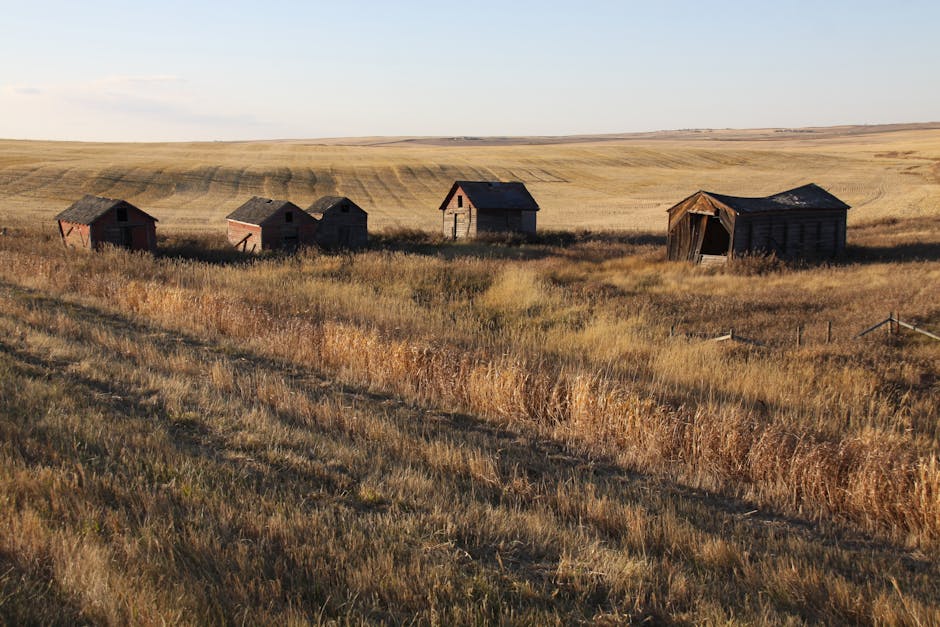
- Lebanon’s agricultural output has plummeted to 10% of pre-crisis levels due to war, inflation, and climate change.
- The Bekaa Valley, once a fertile breadbasket, is now facing collapse with cracked earth, wilted olive trees, and sagging grapevines.
- Fuel prices have tripled since 2021, making it harder for farmers to power irrigation pumps and transport crops.
- Rationing water and relying on expensive private tankers have become a reality for many farmers in the Bekaa Valley.
- Lebanon now depends on imported food, abandoning decades of agricultural tradition due to the ongoing crisis.
At dawn in the Bekaa Valley, once Lebanon’s fertile breadbasket, the cracked earth stretches under a merciless sun. Olive trees wilt, grapevines sag, and irrigation pumps stand silent—sputtering only when diesel is available. Farmers like Sami Haddad rise before sunrise, not to tend thriving fields, but to measure losses. “This year, I lost half my potatoes,” he says, brushing dust from a shriveled tuber. “Last year it was tomatoes. Before that, wheat.” The valley’s golden fields have turned gray, and the smell of burning trash—common during power cuts—mingles with the dry wind. What was once a region feeding much of the country now depends on imported food, as war, inflation, and climate change unravel decades of agricultural tradition.
Fields Fall Fallow Amid Soaring Costs and Scarcity

Today, Lebanon’s agricultural output has plummeted to just 10% of pre-crisis levels, according to the United Nations Food and Agriculture Organization (FAO). The combination of Israel’s cross-border strikes, displacement of farming communities, and a severe drought—exacerbated by climate change—has devastated harvests. Rainfall in the 2023–2024 season was 40% below average, the lowest in over three decades. Water reservoirs in the Litani River basin, the primary source for Bekaa’s irrigation, are at historic lows. Farmers ration water, some relying on expensive private tankers. Meanwhile, fuel prices—critical for pumps and transport—have tripled since 2021. Fertilizer and seed imports, once routine, are now delayed or unaffordable due to currency collapse and port bottlenecks. The result: fallow fields, shuttered cooperatives, and rising food prices in markets. The World Bank estimates that over 80% of Lebanon’s population now lives below the poverty line, with rural communities hit hardest.
Decades of Neglect Preceded the Current Collapse

The crisis didn’t arrive overnight. For years, Lebanon’s agricultural sector suffered from systemic neglect. Successive governments prioritized urban development and financial services over rural investment. Public irrigation systems decayed, water theft became rampant, and land was rezoned for real estate. The 2019 financial crash, which saw the Lebanese pound lose over 90% of its value, shattered import-dependent supply chains. Farmers could no longer afford diesel, spare parts, or foreign seeds. Then came the 2020 Beirut port explosion, which destroyed grain silos holding 85% of the nation’s reserves. Recovery stalled as political paralysis deepened. Climate trends worsened in parallel: rising temperatures and erratic rainfall patterns have shortened growing seasons across the Mediterranean. A 2023 study published in Nature Climate Change identified Lebanon as a regional hotspot for climate-induced agrarian stress. Each shock layered onto the last, eroding resilience until the system began to fail.
Farmers, Families, and the Fight to Survive

Behind the statistics are families like the Awadis, who have farmed in the southern Bekaa for generations. “Our grandfather planted these olive trees,” says Layla Awadi, 34, standing beneath gnarled branches producing less than a quarter of their usual yield. “Now my children ask why we still come here.” Many young people have left for Beirut or abroad, seeing no future in farming. Those who remain navigate a daily calculus of risk: work the fields under the threat of drone surveillance and shelling near the Israeli border, or abandon land entirely. NGOs like FAO and ACTED have launched emergency seed and tool programs, but funding is inconsistent. Some farmers have shifted to drought-resistant crops like quinoa, but without infrastructure support, these efforts remain isolated. The Ministry of Agriculture, underfunded and understaffed, struggles to coordinate a national response.
Food Insecurity and the Threat to National Stability

The collapse of agriculture has dire consequences for food security. Lebanon now imports over 80% of its food, leaving it vulnerable to global price swings and supply disruptions. In 2024, wheat prices surged again due to the Red Sea shipping crisis, pushing bread—a staple—out of reach for many. Malnutrition rates among children in rural areas have risen sharply, according to UNICEF. The loss of rural livelihoods also fuels urban migration, straining already overwhelmed cities. Economists warn that without intervention, the erosion of the agricultural base could become irreversible. “Once farming communities disintegrate, they don’t come back,” said Dima Hamadeh, an economist at the American University of Beirut. “We’re not just losing crops—we’re losing a way of life and a buffer against total economic collapse.”
The Bigger Picture
Lebanon’s agricultural crisis is a warning of how climate change and conflict can converge to destabilize nations. It reflects a global pattern where fragile economies, already weakened by poor governance and inequality, face existential threats from environmental stress. The Mediterranean basin is warming 20% faster than the global average, putting pressure on water and food systems from Morocco to Syria. In such contexts, agriculture isn’t just an economic sector—it’s a pillar of social stability. When it fails, the consequences ripple outward: hunger, displacement, and unrest. International attention has focused on Lebanon’s political deadlock, but without addressing the collapse of its rural foundation, recovery remains out of reach.
What comes next depends on coordinated action—investment in drought-resistant infrastructure, emergency support for farmers, and long-term climate adaptation. Yet with donor fatigue setting in and regional tensions escalating, prospects remain bleak. For now, farmers in the Bekaa Valley continue to rise before dawn, not with hope, but with determination. “We are still here,” says Haddad, looking over his dry field. “But for how long?”
Source: Reddit