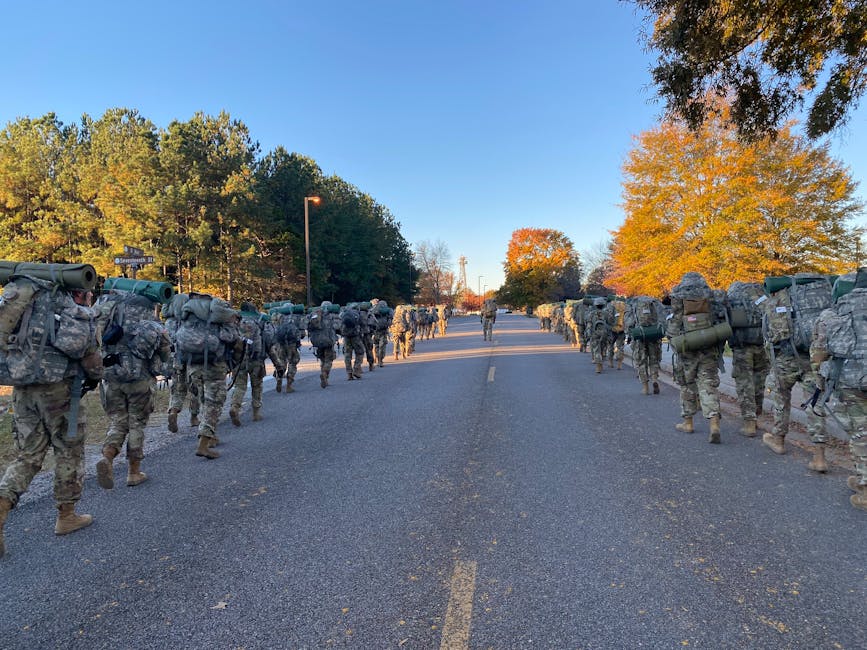
- Bolivia’s military deployed 3,500 troops to dismantle opposition roadblocks in La Paz, aiming to restore order and reopen critical supply lines.
- The operation, codenamed ‘Restaurar el Orden,’ targeted blockades that had been in place for over 72 hours, cutting off food, fuel, and medical transport.
- At least 47 individuals were detained during the initial sweep, and three officers were hospitalized with injuries from rock attacks.
- The government aimed to reclaim roads and alleviate public fury, which had been growing due to the prolonged blockades.
- The operation marked a significant escalation of state authority in Bolivia, with the military taking a more prominent role in maintaining order.
Before the sun broke over the Andean highlands, the silence around La Paz was shattered by the rumble of armored vehicles and the sharp commands of soldiers sweeping through makeshift barricades. Smoke curled from burning tires extinguished in haste as protesters scattered into the fog-covered hills. In the dim glow of streetlights, remnants of handwritten signs—”Paz Out,” “We Want Democracy”—fluttered in the cold morning wind. The capital, perched more than 3,600 meters above sea level, had been strangled for days by roadblocks that severed supply lines and deepened public fury. Now, under a blanket of state authority, the government was reclaiming the roads, one dismantled pile of stones at a time.
Operation Restore Order Begins at First Light

In a coordinated strike beginning at 4:17 a.m., approximately 3,500 soldiers and national police officers moved simultaneously along key access routes into La Paz, targeting blockades erected by opposition-aligned civic groups and labor unions. According to the Ministry of Defense, the operation—codenamed Restaurar el Orden (Restore Order)—aimed to reopen highways critical for food, fuel, and medical transport, which had been cut off for over 72 hours. State media broadcast footage of troops using bulldozers to clear debris while helicopters circled above protest encampments. At least 47 individuals were detained during the initial sweep, and three officers were hospitalized with injuries from rock attacks, the Interior Ministry reported. President Rodrigo Paz addressed the nation shortly after 7 a.m., declaring, “The rule of law has been reestablished,” and warning that further resistance would be met with “unrelenting force.”
Months of Mounting Discontent Led to Crisis

The crackdown did not emerge from vacuum. Tensions had been simmering since early February, when Paz’s administration introduced austerity measures tied to a $1.2 billion loan agreement with the International Monetary Fund. Cutting fuel subsidies and freezing public sector wages triggered immediate backlash, particularly among transport cooperatives and indigenous farming communities. Protests erupted in El Alto, the densely populated plateau city overlooking La Paz, and quickly spread. Civic committees, some with historical ties to past anti-government movements, organized rolling blockades that paralyzed commerce. By the third week of March, over 80% of major roads into the capital were obstructed, according to Reuters. The government’s refusal to negotiate substantive policy changes only deepened the standoff, with opposition leaders accusing Paz of authoritarian overreach and economic mismanagement.
The Key Players Behind the Standoff

At the center of the crisis is President Rodrigo Paz, a technocrat turned politician who rose to power in 2022 promising fiscal stability and anti-corruption reforms. Once hailed as a moderating force, he now faces accusations of alienating traditional allies, including trade unions and regional leaders. His interior minister, Carla Mendizábal, a former prosecutor known for her hard-line stance on civil unrest, has been instrumental in planning the security operation. On the opposition side, figures like El Alto civic leader Samuel Quispe and transport union head Marta Layme have galvanized resistance, framing the protests as a defense of popular sovereignty. Their coalition, though loosely organized, draws strength from deep-seated distrust of centralized power—a legacy of Bolivia’s turbulent political history, where street movements have repeatedly toppled presidents.
Immediate Consequences for Citizens and Institutions

The immediate aftermath of the crackdown has left La Paz in a fragile calm. Hospitals report stabilized supply deliveries, and schools reopened Thursday morning. Yet, the human cost is mounting: local human rights monitors have documented 125 cases of excessive force, including the use of tear gas in residential areas. Legal experts warn that mass detentions without due process could violate constitutional protections. Economically, the blockade period caused an estimated $48 million in losses, per the Bolivian Chamber of Industry. Internationally, the Organization of American States has called for dialogue, while the United Nations human rights office urged restraint. The operation may have cleared the roads, but it risks deepening the political rift that threatens national cohesion.
The Bigger Picture
This confrontation reflects a broader pattern across Latin America, where economic strain and eroding trust in institutions fuel cycles of protest and repression. Bolivia, with its history of resource-driven upheavals and indigenous mobilization, sits at a flashpoint where governance, inequality, and memory collide. The current crisis is not merely about roadblocks or subsidies—it’s about who holds power and how it is exercised. As urban unrest spreads beyond traditional strongholds, governments face a dilemma: respond with force and risk legitimacy, or negotiate and risk appearing weak. The world is watching how Bolivia navigates this precarious balance.
What comes next remains uncertain. While the state has reasserted physical control, the underlying grievances persist. Protest leaders have vowed to regroup, possibly shifting tactics to strikes and international advocacy. President Paz, meanwhile, must now govern in a climate of deep polarization. The early-morning operation may have cleared the streets, but it cannot erase the anger that built them. In the Andes, where mountains remember every echo, today’s crackdown could shape Bolivia’s political landscape for years to come.
Source: Al Jazeera