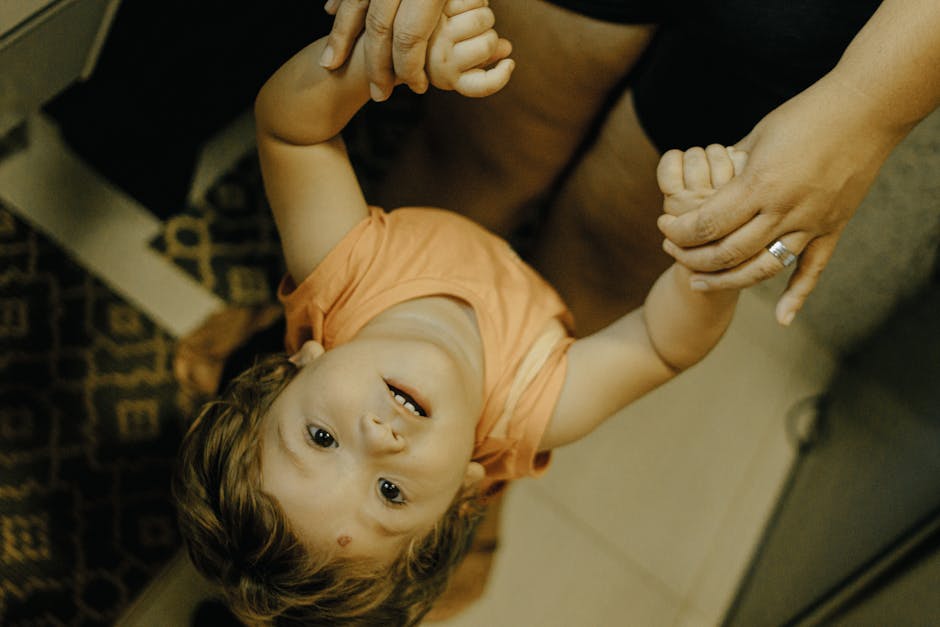
- 1 in 3 kids face aggression at home, highlighting a growing concern in developmental psychology.
- Harsh parenting, including spanking, shouting, and psychological coercion, disrupts children’s ability to manage stress and emotions independently.
- Children exposed to aggressive parenting retain emotional dependency beyond their expected age, affecting social competence, academic readiness, and mental health.
- The natural developmental milestone of shifting from external to internal emotional regulation is hindered by aggressive parenting practices.
- Longitudinal studies, like the Penn State research, provide crucial insights into the long-term effects of parenting on children’s emotional development.
At a sunlit preschool in State College, Pennsylvania, four-year-old Maya hesitates at the edge of the playground, clutching her stuffed rabbit as a classmate snatches it. Her breath quickens, her face reddens, and within seconds, she bursts into tears—unable to calm herself even after the toy is returned. Nearby, her teacher gently kneels to comfort her, but the episode lingers. This scene, repeated across classrooms and homes, underscores a growing concern in developmental psychology: when children fail to develop the internal tools to manage stress, their emotional world becomes overwhelming. A new longitudinal study led by researchers at Penn State now reveals that one critical factor undermining this development is harsh parenting—spanking, shouting, and psychological coercion—as it disrupts the natural trajectory by which children learn to regulate their emotions independently.
Children Retain Dependency Beyond Expected Age

As children grow from toddlers into preschoolers, they typically begin to rely less on caregivers to manage their emotions. This developmental milestone, known as the shift from external to internal regulation, is essential for social competence, academic readiness, and mental health. However, the Penn State study, published in the journal Developmental Psychology, found that children exposed to physically or psychologically aggressive parenting do not follow this expected path. Instead of gaining autonomy in emotional regulation, they remain dependent on external soothing—often requiring more intervention from parents or educators as they age. The data, drawn from over 300 mother-child dyads followed from ages two to five, showed that children subjected to frequent shouting, threats, or physical punishment exhibited significantly lower gains in self-regulation skills. These children were more likely to become dysregulated during minor stressors and struggled to recover without adult assistance, suggesting a stagnation in their emotional development.
How Harsh Parenting Disrupts Emotional Growth

The roots of this disruption lie in the way aggressive parenting alters a child’s neurobiological and behavioral responses to stress. When caregivers respond to misbehavior with anger or force, children are less likely to internalize calming strategies and more likely to associate emotional arousal with danger. According to the study, this undermines the development of the prefrontal cortex, the brain region responsible for impulse control and emotional modulation. Over time, children learn to look outward for regulation because their environment does not foster safe emotional exploration. Instead of being guided through feelings with empathy and structure, they are met with escalation, which models reactive rather than reflective behavior. This pattern is particularly pronounced in homes where punishment is inconsistent or intense, as children remain in a state of hypervigilance, anticipating conflict rather than learning from mistakes. The Penn State team found that even non-physical forms of aggression, such as harsh verbal reprimands, were strongly correlated with impaired self-regulation, challenging the notion that only physical punishment carries developmental risk.
Parents Under Pressure, Children Paying the Price

The study also examined the role of maternal stress and mental health, revealing that mothers who reported higher levels of depression, anxiety, or social isolation were more likely to resort to harsh parenting practices. This suggests a cyclical dynamic: stressed caregivers are more prone to aggressive responses, which in turn exacerbate child dysregulation, leading to more challenging behaviors and further parental stress. Many of the mothers in the study faced economic hardship or lacked social support, factors that amplified their sense of helplessness. While the research does not excuse harsh parenting, it underscores the importance of structural support. The lead author, Dr. Jennifer Maguire, emphasized that the goal is not to assign blame but to understand the ecosystem of child development. As broader societal pressures mount, she noted, families need accessible resources—not judgment.
Long-Term Risks for Mental and Social Health

The consequences of impaired stress regulation extend far beyond the preschool years. Children who fail to develop self-regulation skills are at higher risk for anxiety, attention disorders, and aggressive behavior in later childhood. They may struggle academically due to poor focus and emotional volatility, and they often face social rejection from peers who find their reactions unpredictable. Moreover, the dependency on external regulation can strain parent-child relationships, potentially perpetuating cycles of conflict into adolescence. For educators and pediatricians, the findings underscore the need for early screening and intervention. Programs that teach positive discipline techniques, emotional coaching, and caregiver stress management could help break the cycle. The study also supports policy-level changes, such as paid parental leave and universal access to mental health services, which address the root causes of harsh parenting rather than its symptoms.
The Bigger Picture
This research adds to a growing body of evidence that early childhood experiences are not just formative—they are biologically embedded. The way parents respond to a child’s emotions literally shapes the architecture of the developing brain. In a cultural context where phrases like “spare the rod, spoil the child” still hold sway in some communities, the Penn State study serves as a scientific rebuttal, grounded in longitudinal data. It challenges long-standing norms about discipline and reframes emotional regulation as a skill that must be nurtured, not demanded. As neuroscience and developmental psychology converge, the message is clear: safety, consistency, and empathy are not indulgences—they are prerequisites for healthy growth.
What comes next may depend on how society chooses to respond. Will interventions focus on individual behavior change, or will they also address the systemic inequities that leave parents isolated and overwhelmed? The study’s authors urge a dual approach: equipping caregivers with better tools while advocating for policies that reduce the pressures that lead to harsh parenting in the first place. For children like Maya, the difference could be not just in how they handle a snatched toy, but in how they navigate the emotional challenges of a lifetime.
Source: MedicalXpress