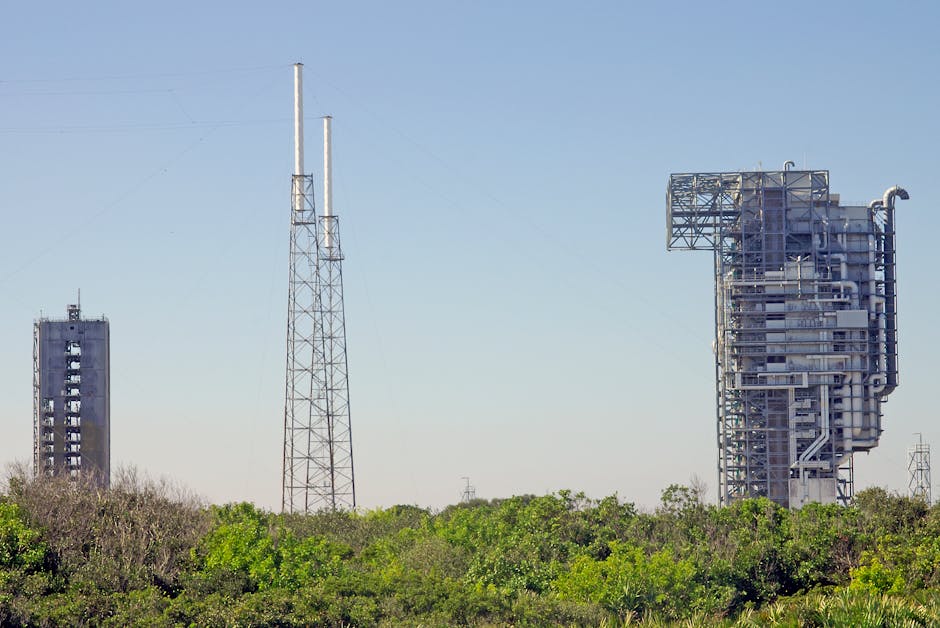
- NASA has set an early April 2024 launch target for the Artemis II mission, marking a significant milestone for the program.
- The SLS rocket has overcome technical snags and supply chain hurdles, paving the way for the historic crewed mission.
- The Artemis II mission will carry four astronauts farther into space than any humans have traveled since Apollo 17 in 1972.
- Engineers have successfully addressed issues with the SLS rocket’s electrical systems, faulty flight computers, and hydrogen leaks.
- The mission represents a crucial step toward establishing a lasting human presence beyond Earth.
Deep inside the Vehicle Assembly Building at Kennedy Space Center, the towering Space Launch System (SLS) rocket stands poised like a modern obelisk to ambition, bathed in the cool glow of industrial floodlights. Its silvery hull, stretched taut with miles of wiring and fuel lines, exudes both technological might and quiet anticipation. For decades, humanity has gazed at the Moon as a relic of past triumphs, but now, in this cavernous hangar, the machinery of a new era hums with readiness. Engineers in hard hats and headsets move with purpose, finalizing checks on the rocket that will carry four astronauts farther into space than any humans have traveled since Apollo 17 in 1972. The Artemis II mission, long delayed by technical snags and supply chain hurdles, is finally on the cusp of liftoff—marking not just a journey around the Moon, but a pivotal step toward establishing a lasting human presence beyond Earth.
Launch Target Confirmed Despite Past Delays

NASA has officially announced that it is targeting early April 2024 for the launch of Artemis II, the first crewed mission of the Artemis program designed to return humans to lunar space. This follows months of troubleshooting issues with the SLS rocket’s electrical systems, faulty flight computers, and recurring hydrogen leaks in the fueling infrastructure. In recent weeks, engineers successfully replaced a malfunctioning battery in the Orion spacecraft’s launch abort system and implemented new ground software protocols to prevent communication dropouts during countdown. According to project managers at Johnson Space Center, all major technical hurdles have been resolved, and the integrated vehicle is undergoing final pre-launch testing. If the April window holds, Artemis II will launch from Launch Complex 39B, sending four astronauts—Reid Wiseman, Victor Glover, Christina Hammock Koch, and Canadian Space Agency’s Jeremy Hansen—on a 10-day mission to orbit the Moon and return safely to Earth, splashing down in the Pacific Ocean.
The Long Road to Artemis II

The path to Artemis II has been anything but smooth. Originally scheduled for 2023, the mission faced repeated delays rooted in both engineering complexity and bureaucratic inertia. The SLS, though powerful enough to carry humans beyond low Earth orbit, has proven temperamental—its core stage developed unexpected cracks during structural testing, and its thermal protection system required extensive rework after heat shield erosion was detected during the uncrewed Artemis I flight in 2022. Supply chain disruptions from the pandemic further stalled component deliveries, including critical valves and avionics. Moreover, NASA’s shift from Apollo-era practices to modern digital engineering introduced unforeseen integration challenges. Yet these setbacks also provided invaluable data. Lessons from Artemis I’s successful 25.5-day journey around the Moon helped refine navigation systems and radiation shielding, directly informing the crew safety upgrades now in place for Artemis II.
The Crew Behind the Mission

The four astronauts of Artemis II represent a new generation of spacefarers, chosen not only for their technical expertise but also for their symbolic significance. Commander Reid Wiseman, a veteran of the International Space Station, brings leadership and calm under pressure. Pilot Victor Glover, an experienced test pilot and former ISS crewmember, will become the first Black astronaut to fly beyond low Earth orbit. Mission Specialist Christina Hammock Koch, who holds the record for longest single spaceflight by a woman, adds deep scientific insight, while Jeremy Hansen of the Canadian Space Agency marks Canada’s first participation in a lunar mission. Together, they embody NASA’s commitment to international collaboration and inclusive exploration. Their training has focused on emergency procedures, deep-space navigation, and public engagement—recognizing that Artemis II is as much a diplomatic and inspirational mission as it is a technical one.
What Artemis II Means for the Future

Success for Artemis II would validate NASA’s $93 billion investment in the Artemis program and clear the way for Artemis III, which aims to land the first woman and next man on the lunar surface by 2026. For international partners like the European Space Agency and JAXA, it reinforces commitments to the Lunar Gateway station. For commercial allies such as SpaceX and Lockheed Martin, it signals continued demand for next-generation space systems. Perhaps most importantly, a flawless mission would reignite public enthusiasm for deep-space exploration, which has waned since the end of the Space Shuttle era. Any failure, however, could trigger congressional scrutiny and funding cuts, potentially derailing long-term plans for Mars missions. The stakes are high, not just for NASA, but for the future of human spaceflight.
The Bigger Picture
Artemis II is more than a test flight—it is a statement of intent. In an age defined by climate crises and geopolitical tension, the mission asserts that humanity can still unite around grand scientific endeavors. It builds on milestones from NASA’s Apollo legacy while embracing modern values of diversity and sustainability. As nations like China and India accelerate their own lunar ambitions, Artemis II positions the United States and its allies at the forefront of a new space age—one that may soon see permanent habitats on the Moon and the first human steps on Mars.
As final launch preparations continue, the world watches. If all goes according to plan, the roar of the SLS will echo across Florida’s coast in April, carrying not just four astronauts, but the hopes of a species looking once again toward the stars. What follows will depend on the success of this mission—but also on whether governments and citizens alike remain committed to the long, costly, and profoundly necessary journey outward.
Source: BBC