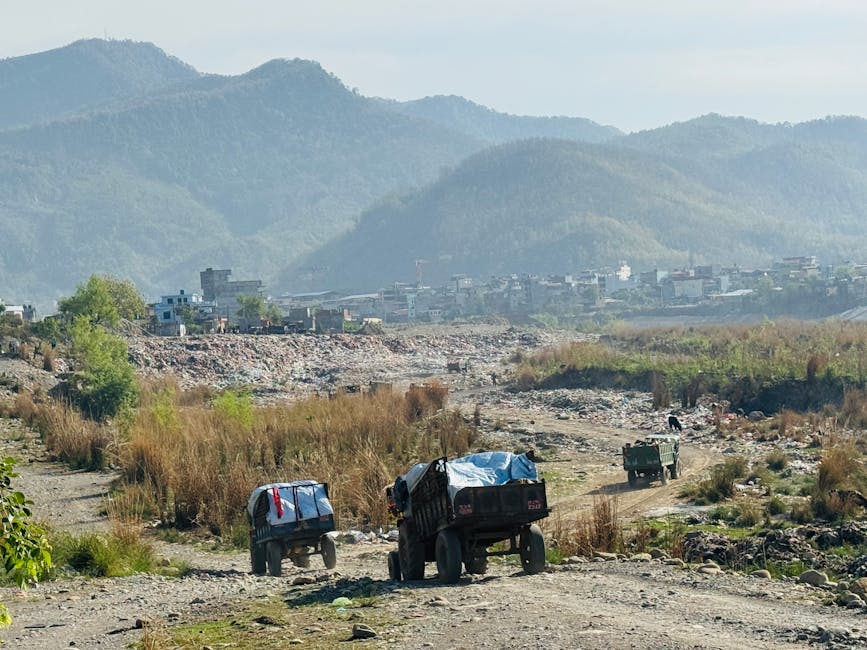
- Iran smuggles around 10 million liters of gasoline and diesel into Pakistan daily, equivalent to 4,000 tanker trucks.
- The illicit fuel trade distorts energy markets, drains Iran’s subsidized fuel reserves, and exacerbates security challenges in western Pakistan.
- Fuel prices in Iran are heavily subsidized, with prices as low as $0.50 per liter, while in Pakistan, prices are significantly higher.
- The price difference between Iran and Pakistan creates a lucrative incentive for smuggling networks, with some earning up to 150% profit.
- The International Energy Agency estimates that illicit fuel now accounts for nearly 15% of Pakistan’s total daily fuel consumption.
Every day, an estimated 10 million liters of Iranian gasoline and diesel flow across the porous 959-kilometer border into Pakistan—enough to fill over 4,000 tanker trucks. This massive, clandestine fuel trade, long suspected but only recently quantified by regional intelligence assessments, underscores a growing shadow economy that distorts energy markets, drains Iran’s subsidized fuel reserves, and exacerbates security challenges in western Pakistan. Fuel sold at less than $0.50 per liter in Iran can fetch up to $1.20 in Pakistani border markets, creating a lucrative incentive for smuggling networks with ties to local militias and corrupt officials. According to the International Energy Agency, this illicit flow now accounts for nearly 15% of Pakistan’s total daily fuel consumption, raising alarms over national revenue losses and energy dependency on a geopolitical rival.
Why the Black Market Booms

The smuggling surge is rooted in a stark economic imbalance: Iran heavily subsidizes domestic fuel, keeping prices among the lowest in the world, while Pakistan—struggling with IMF-mandated reforms—has sharply increased fuel prices to curb fiscal deficits. This price arbitrage, sometimes exceeding 150%, has turned the Balochistan and Sistan-Baluchestan border region into a battleground for smuggling syndicates. Compounding the issue, Iran’s own fuel subsidies, which consume an estimated 8% of its GDP annually, encourage overconsumption and create surplus for illicit export. According to a 2023 report by the United Nations Office on Drugs and Crime, organized networks use modified tankers, underground pipelines, and even camels to transport fuel across remote desert routes, evading detection. The trade has become so entrenched that local economies on both sides now depend on it, despite its destabilizing effects.
Key Players and Tactics

The smuggling operation involves a complex web of actors, including Iranian Revolutionary Guard Corps (IRGC)-affiliated contractors, Pakistani tribal leaders, and transnational crime groups. Iranian state-linked entities are believed to divert fuel from national reserves before it reaches official distribution points, while Pakistani intermediaries pay off border police and customs officials to allow passage. In some cases, entire convoys move under armed escort through lawless zones near Taftan and Nok Kundi. Satellite imagery analyzed by Reuters shows clusters of unregistered fuel storage tanks just inside Pakistani territory. Pakistani authorities admit that up to 30% of fuel consumed in Balochistan is smuggled, with much of it eventually reaching major cities like Quetta, Lahore, and even Karachi through informal distribution chains.
Economic and Security Fallout

The consequences extend far beyond lost tax revenue. Pakistan’s government loses an estimated $1.2 billion annually in uncollected fuel duties, weakening its ability to stabilize energy infrastructure. Meanwhile, Iran’s fuel subsidy burden grows, limiting funds for other social programs. The trade also fuels regional instability: armed groups in Balochistan, including the Balochistan Liberation Army (BLA), are reported to levy “protection taxes” on smuggling convoys, using the proceeds to fund insurgent activities. Moreover, the influx of cheap fuel undermines Pakistan’s efforts to transition to cleaner energy and discourages private investment in refining. A 2024 study by the Islamabad-based Institute of Policy Studies found that fuel smuggling correlates strongly with increased violence in border districts, suggesting a direct link between economic incentives and conflict escalation.
Who Bears the Cost?

Ordinary citizens on both sides of the border are ultimately paying the price. In Iran, chronic fuel shortages plague major cities during peak seasons, prompting public protests. In Pakistan, legitimate fuel retailers struggle to compete with smuggled gasoline sold at 30-40% lower prices, driving many out of business. Rural communities near smuggling routes face environmental damage from oil spills and unregulated storage. Furthermore, the erosion of state authority along the border empowers non-state actors and weakens bilateral trust. While both governments have launched periodic crackdowns—such as Pakistan’s 2022 Operation Azm-e-Istehkam—these efforts are often short-lived and undermined by corruption. Without coordinated policy reform, the smuggling economy is likely to persist, deepening dependency and insecurity.
Expert Perspectives
Analysts are divided on the best path forward. Dr. Ayesha Siddiqa, a defense and security scholar at Quaid-i-Azam University, argues that “crackdowns alone won’t work—Pakistan must address the price disparity through targeted subsidies.” In contrast, Tehran-based economist Saeed Laylaz contends that “Iran needs to phase out blanket fuel subsidies to eliminate the incentive for smuggling.” Some experts, like those at the BBC Persian Service, warn that militarized responses risk escalating tensions between the two countries, especially given existing disputes over border security and minority rights.
Looking ahead, the trajectory of this illicit trade will depend on political will, economic reform, and regional cooperation. Both Iran and Pakistan face mounting pressure to stabilize their energy sectors amid global market volatility and climate commitments. A bilateral fuel trade agreement—similar to Iran’s past arrangements with Afghanistan—could formalize flows and generate tax revenue. However, deep mutual distrust and internal resistance from vested interests make such a deal unlikely in the near term. As long as subsidies remain and borders stay porous, the underground fuel economy will continue to thrive—fueling not just vehicles, but conflict.
Source: Rferl