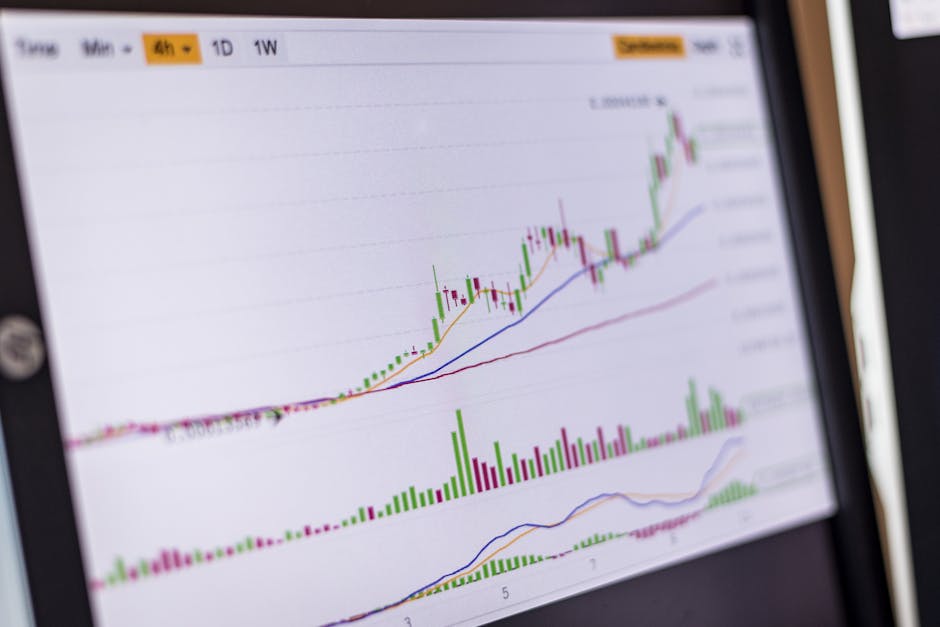
- Oil-exporting countries with significant spare production capacity thrive in times of Iran-related oil price spikes.
- Political stability and strong ties to global markets enable countries to capitalize on higher oil revenues.
- Saudi Arabia, the UAE, and the US are best positioned to profit from Iran-related oil shocks due to their infrastructure and operational flexibility.
- Countries with limited spare capacity or political instability may gain little from the Iran oil crisis.
- The Iran oil crisis highlights how modern conflicts can reshape global economic power in complex ways.
As geopolitical tensions around Iran intensify, global oil markets have responded with sharp price increases, triggering a high-stakes reshuffle in energy revenues worldwide. The question on the minds of economists, policymakers, and energy analysts alike is: Which countries are actually profiting from this oil shock? While higher crude prices are typically seen as a double-edged sword—benefiting exporters but punishing importers—the reality is more nuanced. Some oil-producing nations with limited spare capacity or political instability gain little, while others, particularly those with robust output and stable infrastructure, are capitalizing on the volatility. Understanding who wins and who loses offers insight into how modern conflicts reshape global economic power in unexpected ways.
Who Benefits When Oil Prices Spike Due to Conflict?

The short answer: oil-exporting countries with significant spare production capacity, political stability, and strong ties to global markets are best positioned to profit from oil shocks linked to Middle Eastern conflict. When the threat of disrupted supply from Iran—a top-ten oil exporter—rattles traders, benchmark prices like Brent crude often surge. Nations such as Saudi Arabia, the United Arab Emirates, and the United States have the infrastructure and operational flexibility to increase output or redirect shipments quickly, capturing higher revenues without proportionate cost increases. In contrast, countries already producing near capacity or under sanctions, like Iran itself or Venezuela, see little benefit. Moreover, diversified economies like Norway or Canada gain export boosts without suffering the inflationary or political backlash seen in more oil-dependent states.
Export Data Reveals Shifting Oil Revenue Flows

According to the International Energy Agency (IEA) and data compiled by Bloomberg, global oil prices rose more than 18% in the three months following a significant escalation in Persian Gulf tensions in early 2024. During that period, Saudi Arabia’s oil export revenue climbed by nearly $4.2 billion per month, while the UAE saw an increase of roughly $1.3 billion. The United States, now the world’s largest crude producer, added approximately $6.8 billion monthly to its energy sector revenues, driven by higher prices for shale oil exports to Europe and Asia. Reuters reported that U.S. Gulf Coast refineries and export terminals operated at near-full capacity. Meanwhile, countries like Iraq and Nigeria, despite being OPEC members, struggled to capitalize due to aging infrastructure and domestic unrest limiting production gains. This divergence underscores that not all oil exporters benefit equally—even when prices soar.
Are Higher Prices Always Good for Oil Producers?

Not necessarily. While high prices can boost revenues, they also carry risks—especially for countries heavily reliant on oil income. Economists warn that excessive windfalls can lead to currency appreciation, making other exports less competitive—a phenomenon known as ‘Dutch disease.’ Russia, for example, has seen fluctuating gains; while its oil revenues rose temporarily, Western price caps and shipping restrictions have limited its ability to fully monetize higher global prices. Additionally, nations like Algeria and Angola, which require high oil prices to balance their national budgets, remain vulnerable to subsequent market corrections. As Fatih Birol, Executive Director of the IEA, noted, ‘Short-term gains can mask long-term vulnerabilities, especially when price spikes are driven by instability rather than demand growth.’ Some analysts also argue that renewable energy investments in Europe and Asia are accelerating in response to price shocks, potentially undermining long-term fossil fuel dominance.
Real-World Impact on Energy Markets and Alliances

The ripple effects of this oil shock extend beyond national treasuries. India, one of Iran’s former top crude buyers, has pivoted toward U.S. and Gulf suppliers despite higher costs, reshaping long-standing trade relationships. Meanwhile, China has increased strategic purchases from Saudi Arabia and the UAE, strengthening its energy security while positioning itself as a neutral broker in regional diplomacy. In Europe, higher oil prices have delayed some inflation recovery efforts, but also accelerated funding for green hydrogen and offshore wind projects. Perhaps most significantly, the crisis has reinforced the strategic importance of flexible liquefied natural gas (LNG) markets, with the U.S. and Qatar expanding exports to fill energy gaps. These shifts suggest that modern oil shocks don’t just redistribute wealth—they reshape geopolitical alignments and energy transition timelines.
What This Means For You
For consumers and businesses, rising oil prices often mean higher fuel and transportation costs, which can ripple through the economy. However, the broader takeaway is that global stability and energy markets are deeply interconnected: conflicts far from home can directly influence your energy bills and national economic health. Understanding which countries profit from such crises sheds light on the hidden beneficiaries of geopolitical risk—and the fragility of relying on fossil fuels in an unstable world. As markets evolve, so too do the incentives for peace, energy diversification, and climate action.
Still, a critical question remains unanswered: Can nations that profit from oil shocks be trusted to support de-escalation, or do they have a vested interest in maintaining volatility? As energy geopolitics grow more complex, the alignment—or misalignment—of economic incentives could shape the future of global security more than military alliances alone.
Source: The New York Times