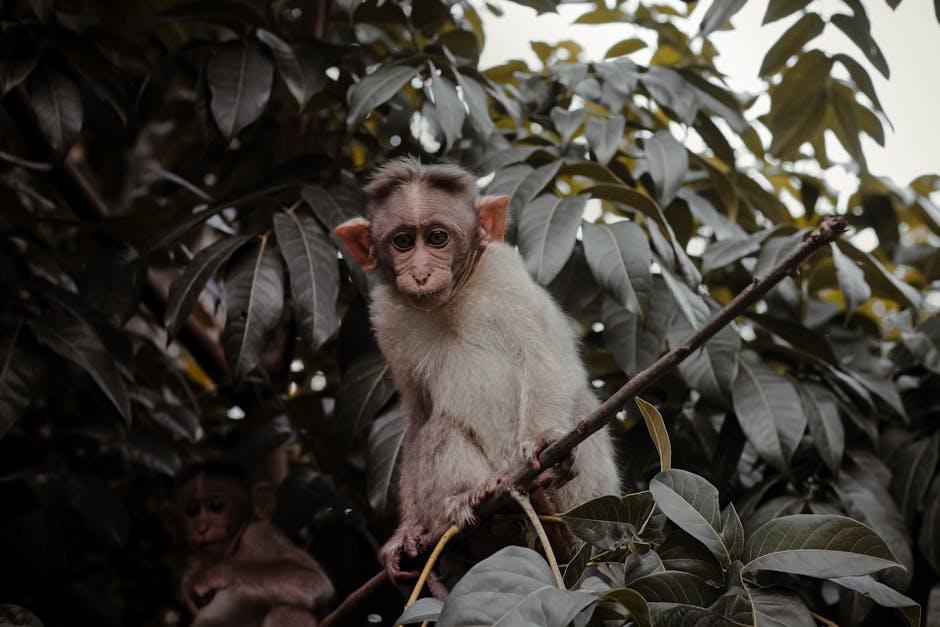
- Human exceptionalism, the idea that humans are separate from and superior to other animals, may be a delusion that has shaped our understanding of the world.
- Recent discoveries in neuroscience, animal cognition, and evolutionary biology have eroded the biological justifications for human exceptionalism.
- The concept of human separation has deep cultural and philosophical roots, dating back to ancient civilizations and Enlightenment thinkers.
- Dismantling the myth of human apartness may be essential to our survival in the face of climate disruption and mass extinction.
- Human exceptionalism has had significant ecological, social, and psychological costs, which Michael Bond’s book ‘Animate’ aims to explore.
In a striking reversal of long-held beliefs, a growing body of scientific inquiry now suggests that the idea of human exceptionalism — the conviction that humans are fundamentally separate from and superior to other animals — may be one of the most consequential delusions in history. For centuries, this belief has shaped religion, ethics, law, and science, reinforcing hierarchies that place Homo sapiens at the pinnacle of creation. Yet recent discoveries in neuroscience, animal cognition, and evolutionary biology have eroded the biological justifications for such separation. Michael Bond’s new book, Animate, offers a meticulously researched and gripping narrative that traces how this ideology emerged, why it persists, and what its costs have been — ecologically, socially, and psychologically. As climate disruption and mass extinction accelerate, Bond argues, dismantling the myth of human apartness may be essential to our survival.
The Roots of Human Separation

The notion that humans are not truly animals has deep cultural and philosophical roots, stretching back to ancient civilizations and reinforced by Enlightenment thinkers who elevated reason as the defining human trait. Aristotle’s Great Chain of Being placed humans just below angels, while Descartes famously argued that animals were mere automata without consciousness. This dualistic worldview — mind versus body, human versus nature — became embedded in Western thought and justified everything from colonial expansion to industrial exploitation of natural resources. Bond illustrates how, even as Darwin’s theory of evolution established our biological continuity with other species, society clung to the idea of a qualitative divide. The emergence of complex language, tool use, and culture were cited as irrefutable evidence of human uniqueness. But Animate shows how each of these traits has been observed, in varying degrees, in other animals — from chimpanzees fashioning tools to dolphins using signature whistles akin to names.
What the Science Actually Shows

Bond draws on decades of cross-disciplinary research to dismantle the pillars of human exceptionalism. Studies published in journals like Nature and Science have demonstrated that elephants mourn their dead, crows solve multistep puzzles, and octopuses exhibit distinct personalities. Neuroimaging reveals that the emotional centers of the brain in mammals are remarkably similar, suggesting shared experiences of fear, joy, and attachment. Even the much-touted human capacity for morality finds echoes in the behavior of primates, who display empathy, fairness, and cooperation. According to Bond, the real anomaly isn’t our superiority, but our insistence on denying our kinship. He cites the work of primatologist Frans de Waal, who has long argued that continuity, not division, should define our understanding of animal minds. This growing consensus, the book contends, should prompt a radical shift in how we relate to other species — not as resources or inferiors, but as fellow travelers in the evolutionary journey.
The Psychological and Ethical Cost

The consequences of human exceptionalism extend far beyond biology. Bond posits that the belief in our separateness has fostered a dangerous sense of entitlement, enabling environmental degradation, industrial animal farming, and biodiversity collapse. By positioning ourselves outside nature, we have felt justified in dominating it — with devastating results. The current rate of species extinction is estimated to be 100 to 1,000 times higher than natural background levels, a crisis directly tied to human activity. But the cost is also internal. The alienation from the natural world, Bond suggests, contributes to rising rates of anxiety, depression, and existential disconnection in modern societies. Psychologists have documented the mental health benefits of nature exposure, reinforcing the idea that humans are not just biologically but emotionally embedded in ecosystems. To deny this connection, the book argues, is to live in a state of psychological and spiritual imbalance.
Reimagining Our Place in the Web of Life

If human exceptionalism is a myth, what should replace it? Bond doesn’t advocate for a dismissal of human achievements, but rather for a reframing of them within a broader continuum of life. Recognizing that we are one species among millions — albeit one with extraordinary influence — fosters humility and responsibility. This shift has practical implications: legal systems are beginning to grant personhood rights to rivers and great apes, while conservation efforts increasingly emphasize coexistence rather than control. The rise of biocentric ethics, which values all living things intrinsically, reflects a growing willingness to move beyond anthropocentrism. Bond sees hope in movements that emphasize kinship, such as rewilding projects and Indigenous ecological knowledge, which often view humans as part of, not above, nature. Embracing this perspective may be key to building sustainable, resilient societies.
Expert Perspectives
While many scientists welcome Bond’s challenge to human exceptionalism, some remain cautious. Cognitive biologist Ludwig Huber warns against overstating similarities, noting that while animals display complex behaviors, human symbolic thought and cumulative culture remain unparalleled. Others, like environmental philosopher Kate Rawles, argue that the real issue isn’t acknowledging differences, but refusing to grant moral standing to beings who feel and suffer. The debate, she says, should not be about who is ‘smarter,’ but who deserves respect. Bond’s work, she contends, succeeds in reframing the conversation from hierarchy to interconnectedness — a necessary step for both ethical progress and planetary survival.
As the planet faces unprecedented ecological challenges, the question of who we are — and how we belong — takes on urgent significance. Animate does not offer easy answers, but it compels readers to reconsider assumptions long taken for granted. The path forward may lie not in asserting dominance, but in recognizing kinship. With further research in animal cognition and planetary health unfolding rapidly, one thing is clear: the story of humanity cannot be written apart from the rest of life on Earth.
Source: New Scientist