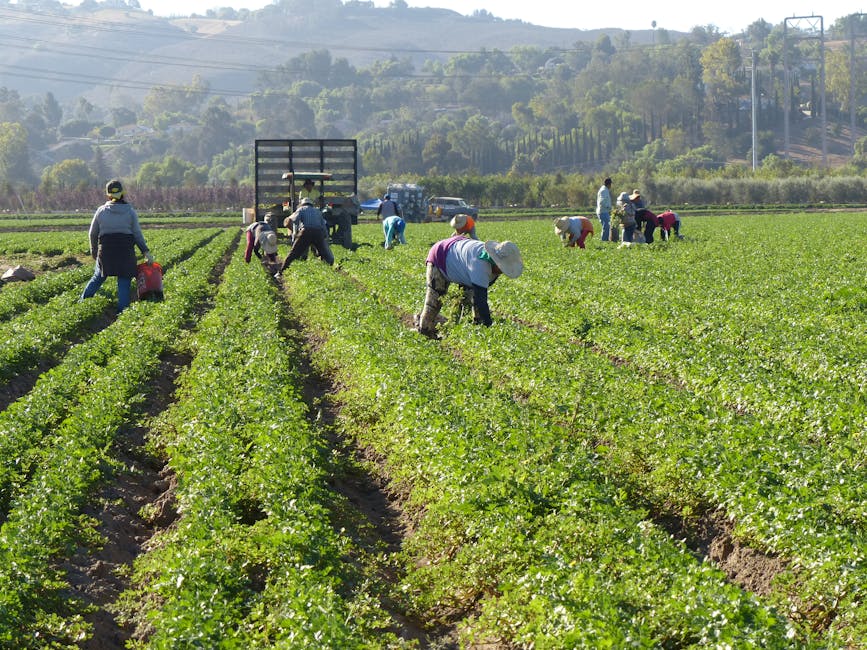
- Agroecology, a holistic approach to farming, uses ecological principles to maintain soil fertility and productivity without synthetic fertilizers.
- Agroecological systems can improve food security in vulnerable regions by building resilience to climate shocks and reducing input costs.
- Agroecology can sustain or even increase crop yields over time while reducing environmental harm caused by chemical-dependent agriculture.
- Africa, which relies heavily on imported agrochemicals, can become food self-sufficient through the adoption of agroecological practices.
- Agroecology promotes biodiversity, soil health, and local knowledge, making it a sustainable alternative to conventional farming methods.
Can Africa feed itself without relying on synthetic fertilisers? As global supply chains falter and input costs skyrocket, this question has moved from academic debate to urgent policy challenge. The war in Ukraine disrupted key fertiliser exports, sending prices soaring and exposing Africa’s deep dependency on imported agrochemicals. With over 90% of fertiliser needs met through imports, many smallholder farmers now face unaffordable costs, jeopardizing crop yields and food security. Yet, amid this crisis, a quiet transformation is taking root—agroecology, a farming system that works with nature rather than against it, is emerging as a viable, sustainable alternative to chemical-dependent agriculture.
What Is Agroecology and Can It Replace Fertilisers?

Agroecology is a holistic approach to farming that integrates ecological principles into agricultural practices, emphasizing biodiversity, soil health, and local knowledge. Unlike conventional farming that relies heavily on synthetic nitrogen, phosphorus, and potassium (NPK) fertilisers, agroecology uses compost, crop rotation, intercropping, and natural pest control to maintain soil fertility and productivity. Evidence shows it can sustain or even increase yields over time while reducing environmental harm. According to the United Nations Food and Agriculture Organization (FAO), agroecological systems can improve food security in vulnerable regions by building resilience to climate shocks and reducing input dependence. In Africa, where 60% of the population relies on agriculture, this shift could be transformative—especially for small-scale farmers who cannot afford rising fertiliser prices.
What Evidence Supports Agroecology’s Effectiveness in Africa?

Field studies across sub-Saharan Africa demonstrate that agroecological practices consistently improve yields and farmer livelihoods. In Malawi, a four-year trial by the International Institute of Tropical Agriculture found that maize yields increased by up to 60% when farmers used compost, legume intercropping, and mulching instead of synthetic fertilisers. Similarly, in Ethiopia, agroforestry and soil conservation techniques restored degraded lands and doubled cereal production in some areas. A 2022 FAO report highlighted that agroecological farms in Kenya and Uganda experienced lower crop failure rates during droughts due to improved soil moisture retention. Moreover, agroecology reduces farmers’ vulnerability to global market volatility—critical when fertiliser prices spiked by over 300% in 2022 following disruptions in Russian and Belarusian exports.
Why Are Some Experts Skeptical About Agroecology?

Despite its promise, agroecology faces criticism from proponents of conventional agriculture who argue it cannot scale quickly enough to meet Africa’s growing food demands. Skeptics point to lower short-term yields in some transition periods and question whether agroecology can support high-input staple crops like maize at national levels. Others warn that abandoning synthetic fertilisers entirely could risk undernourishing crops, especially on already degraded soils. Additionally, some development agencies and governments remain invested in input subsidy programs—such as Nigeria’s massive fertiliser distribution scheme—which create political and economic inertia against systemic change. Critics also note that agroecology requires more labor and knowledge transfer, posing challenges in regions with limited extension services. However, advocates counter that these hurdles are not insurmountable and that long-term sustainability outweighs short-term convenience.
How Is Agroecology Already Changing Lives on the Ground?

In Senegal, women-led cooperatives are reviving traditional rice farming using agroecological methods, cutting input costs by 70% while maintaining yields. In Zambia, the Soils, Food and Healthy Communities project has trained over 6,000 farmers in composting and seed saving, leading to improved nutrition and food availability. These real-world examples show that agroecology is not just theoretical—it’s delivering tangible benefits where it’s needed most. Beyond productivity, it strengthens community autonomy, reduces debt from purchasing inputs, and enhances biodiversity. In regions affected by climate extremes, agroecological farms have shown greater resilience, withstanding floods and droughts better than monocultures. As national policies begin to shift—Rwanda and Tanzania have launched pilot programs integrating agroecology into extension services—the model is gaining institutional traction.
What This Means For You
If you’re concerned about food security, climate change, or farmer livelihoods, the rise of agroecology in Africa offers a hopeful blueprint. It shows that sustainable farming isn’t a luxury—it’s a necessity, especially in regions most vulnerable to global shocks. Supporting policies that prioritize ecological farming can lead to more resilient food systems, lower environmental costs, and greater equity for smallholder farmers. For consumers, investors, and policymakers, this means rethinking what ‘productive’ agriculture looks like—beyond yield-per-hectare to include soil health, biodiversity, and community well-being.
But critical questions remain: Can agroecology scale fast enough to prevent hunger during the current fertiliser crisis? And how can international donors and African governments align support without replicating top-down agricultural models of the past? The answer may lie in empowering local knowledge, investing in farmer-led innovation, and recognizing that true food sovereignty starts in the soil.
Source: Al Jazeera