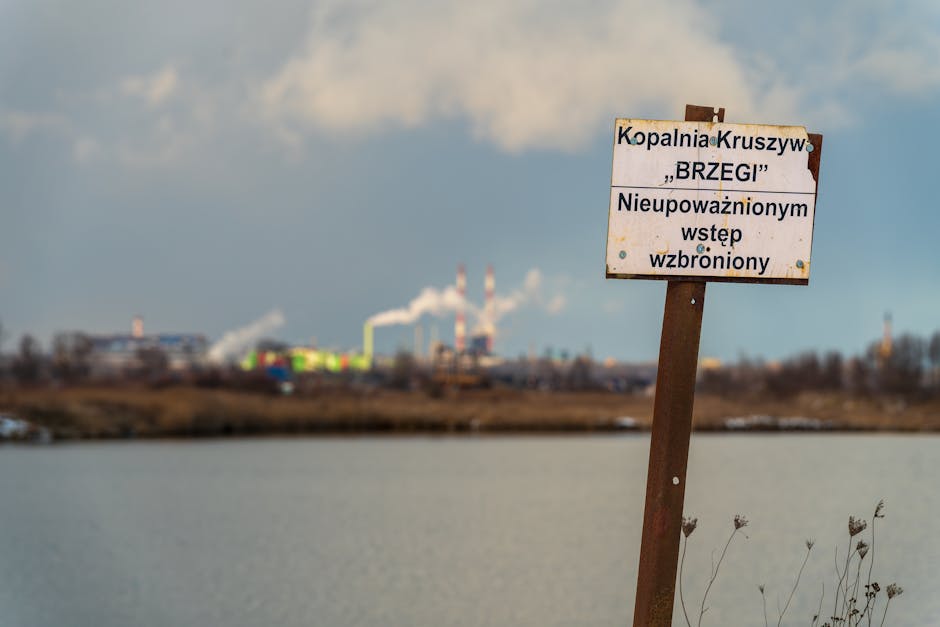
- 80% of England’s designated river baths are facing swim bans due to poor water quality.
- Widespread water pollution from sewage discharges, agricultural runoff, and urban drainage is the primary cause.
- Polluted water contains E. coli and intestinal enterococci bacteria linked to sewage contamination.
- Aging wastewater infrastructure and unchecked agricultural runoff are significant sources of contamination.
- England’s freshwater ecosystems are deteriorating, posing a risk to public health and the environment.
Is it safe to swim in England’s rivers? That’s the urgent question on the minds of swimmers, families, and environmental advocates after reports revealed that almost all of the country’s officially designated inland bathing sites now carry warning signs advising people not to enter the water. Despite efforts to promote natural swimming and boost outdoor recreation, growing contamination from sewage discharges, agricultural runoff, and urban drainage has rendered many of these sites potentially hazardous. With summer approaching and public demand for accessible swimming spots rising, authorities face mounting pressure to address the deteriorating quality of England’s freshwater ecosystems.
What’s Behind the Swim Warnings?

Direct evidence points to widespread water pollution as the primary reason behind the closure of England’s inland bathing sites. According to recent data from the Environment Agency and campaign group Surfers Against Sewage, 94% of designated inland bathing areas in England—intended for safe public swimming—display official signs warning against immersion due to poor water quality. These sites, once promoted as clean and accessible natural spaces, now test positive for dangerous levels of E. coli and intestinal enterococci, bacteria linked to sewage contamination. The sources are twofold: aging wastewater infrastructure that overflows during heavy rainfall and unchecked agricultural runoff carrying manure, pesticides, and slurry into rivers. While the UK government designated these sites under EU-inspired Bathing Water Regulations to encourage safe recreation, compliance with safety standards has proven elusive.
What Does the Data Reveal About Water Quality?

Findings from the 2023 Bathing Water Report, compiled by the Environment Agency and analyzed by Surfers Against Sewage, show that only one of England’s 14 inland bathing sites achieved a ‘Good’ or ‘Excellent’ rating under European water quality standards. The River Wharfe at Ilkley, a popular spot in Yorkshire, was the sole site to meet safety benchmarks. All others, including stretches of the River Severn, the Thames near Henley, and the River Wye, showed bacterial contamination levels above thresholds deemed safe for human contact. A 2022 investigation by BBC News used drone footage and water sampling to confirm that storm overflows—used by water companies to discharge untreated sewage into rivers—were active even during dry weather, defying legal and environmental norms. Scientists warn that prolonged exposure to such waters can lead to gastrointestinal illnesses, skin infections, and respiratory issues.
Are There Alternative Explanations for the Closures?

Some officials and water industry representatives argue that the situation is more nuanced than outright condemnation suggests. They point to increased monitoring and transparency as reasons for the rise in reported contamination, noting that greater public awareness may amplify concern without necessarily reflecting a sharp decline in water quality. Water UK, a trade association representing water companies, emphasizes ongoing investments in infrastructure upgrades, including £11 billion committed to reducing storm overflow use by 2030. Additionally, natural factors such as high rainfall and wildlife contributions—such as droppings from birds and deer—can elevate bacteria levels temporarily. Critics caution, however, that these explanations don’t absolve systemic failures: a 2023 parliamentary inquiry revealed that water companies have repeatedly flouted environmental regulations, with British firms issuing over 300,000 sewage overflow discharges in a single year. The debate ultimately centers not on whether pollution exists, but on accountability and pace of remediation.
How Are Communities and Ecosystems Affected?

The closures have tangible consequences beyond lost recreation. Local economies that rely on river tourism—such as canoeing, fishing, and guided wild swimming—are suffering. Businesses in towns like Leominster and Monmouth report steep declines in summer visitors, directly tied to negative perceptions of river safety. Meanwhile, aquatic ecosystems face long-term damage: nutrient pollution from agricultural runoff fuels algal blooms that deplete oxygen and kill fish. The River Wye, once a haven for trout and salmon, has seen biodiversity collapse in recent years. Conservationists from the RSPB and National Trust warn that without comprehensive reforms, England’s rivers could become biologically degraded beyond recovery. Public trust is also eroding, with 78% of respondents in a 2023 YouGov poll expressing concern about freshwater pollution.
What This Means For You
If you’re considering a dip in an English river, especially at a designated bathing site with warning signs, health authorities strongly advise against it. Even brief exposure to contaminated water can pose health risks, particularly for children, the elderly, and those with compromised immune systems. Instead, consider safer alternatives like supervised outdoor lidos or coastal bathing sites, many of which meet higher water quality standards. Staying informed through real-time water quality updates—available via apps like Safer Seas & Rivers—can help you make safer choices. Ultimately, enjoying clean rivers again will require sustained public pressure, regulatory enforcement, and investment in sustainable water management.
Can England’s rivers be restored to swimmable status within a decade? That depends on whether regulators, water companies, and agricultural bodies can overcome decades of neglect and prioritize ecological and public health over short-term convenience. The science is clear on what needs to be done—but political and economic will remains the biggest barrier.
Source: BBC