- Michigan is legally challenging the Trump administration’s order to keep the Monroe coal plant running, claiming it bypassed regulatory procedures.
- The state argues the Department of Energy’s emergency declaration was unwarranted, as grid operator MISO confirmed stable energy supply.
- Michigan contends the move undermines grid reliability, threatens air quality, and establishes a precedent for political interference.
- The legal challenge asserts the emergency declaration lacked factual basis and violated the Federal Power Act’s Section 202(c).
- Coal’s share of U.S. electricity generation has significantly declined, falling to under 20% from nearly 50% in 2005.
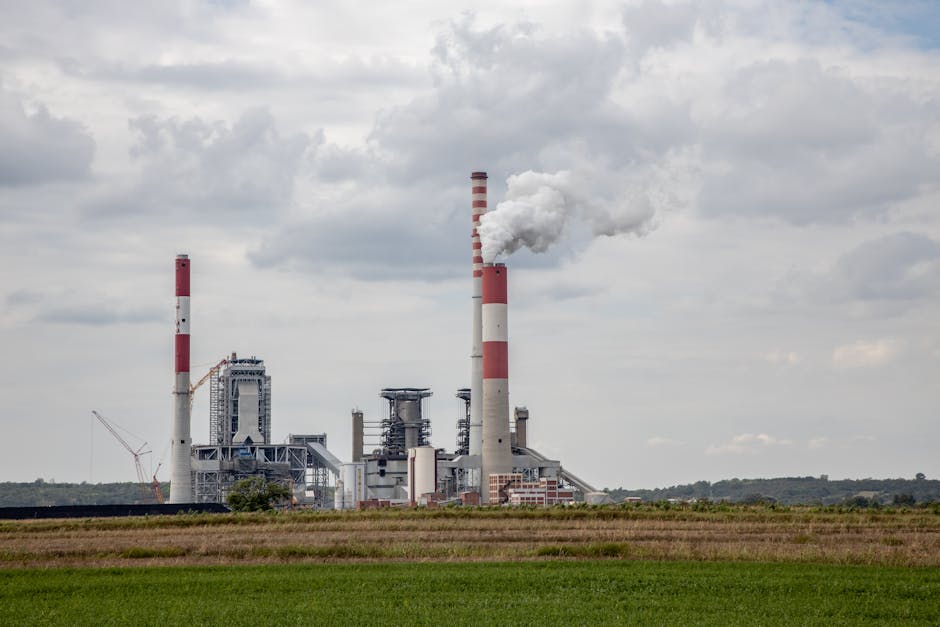
The state of Michigan, joined by environmental advocates, has filed a legal challenge asserting that the Trump administration acted unlawfully in declaring an emergency to keep the aging Monroe coal-fired power plant operational. In court filings, Michigan argues the Department of Energy’s order bypassed standard regulatory procedures under the Federal Power Act, asserting that no genuine energy shortage exists to justify the intervention. The move, they say, undermines regional grid reliability, threatens air quality, and sets a dangerous precedent for political interference in energy markets.
Emergency Declaration Called Legally Flawed

Michigan’s legal brief, submitted to the U.S. Court of Appeals for the D.C. Circuit, contends that the emergency declaration lacked factual basis and violated Section 202(c) of the Federal Power Act, which permits temporary federal control only during true supply crises. According to the state, grid operator MISO (Midcontinent Independent System Operator) confirmed that Michigan’s energy supply remains stable, with no risk of blackouts. “The administration manufactured an emergency to favor fossil fuel interests,” said Jana Pritchard, Michigan’s environmental counsel, in court documents. Data from the U.S. Energy Information Administration shows coal’s share of U.S. electricity generation has fallen to less than 20%, down from nearly 50% in 2005.
Environmental and Public Health Concerns Mount

Environmental groups, including the Sierra Club and Midwest Environmental Advocates, support Michigan’s position, warning that extending the life of the Monroe plant would increase emissions of sulfur dioxide, nitrogen oxides, and mercury—pollutants linked to respiratory illness and water contamination. “Forcing communities to endure more pollution from a plant scheduled for retirement is unjust and illegal,” said Leah Stokes, a climate policy expert at the University of California, Santa Barbara. Public health analyses estimate the plant’s continued operation could contribute to dozens of additional asthma cases annually in southeast Michigan.
Where This Stands Now

The court is expected to hear arguments within the next 60 days, with a ruling likely by late summer. Meanwhile, the Monroe plant remains online under federal order, though its long-term future hinges on the outcome. Energy analysts say the case could set a precedent for how much executive authority the federal government holds over regional energy transitions, particularly as states accelerate moves toward renewable sources. The Biden administration has not yet filed a position, but legal observers anticipate it may side with Michigan to limit broad interpretations of emergency powers.
Source: The New York Times